UN Warns Afghanistan Fragile Economy and Rights Threaten Stability
The United Nations warns that relative security gains in Afghanistan are crumbling under economic collapse, underfunded relief operations, and severe rights restrictions against women and girls.
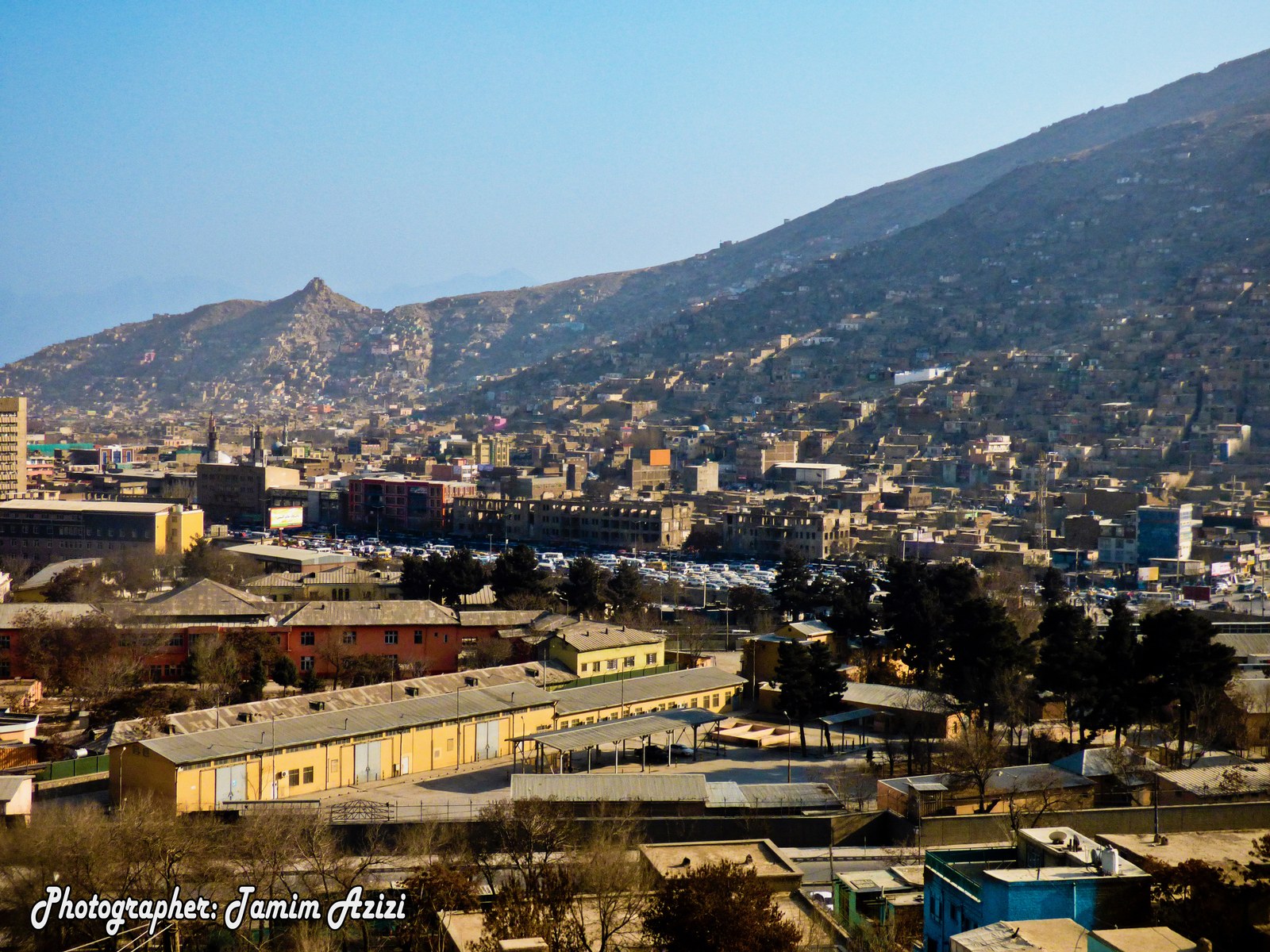 Hogai Aryoubi / Wikimedia Commons (CC0 1.0)
Key Takeaways & Intelligence
- The United Nations warned in a Geneva briefing that absence of active armed warfare in Afghanistan is being eclipsed by severe structural economic collapse and sweeping civil rights bans.
- More than 23 million Afghans—over half the nation's population—require emergency humanitarian assistance as winter approaches amid an acute donor funding shortfall.
- Sweeping moral edicts and decrees by de facto Taliban authorities have banned girls from secondary education and university, while prohibiting women from working in humanitarian NGOs.
- Severe liquidity crises, international banking cutoffs, and agricultural devastation from alternating droughts and flash floods have hollowed out rural livelihoods.
- UN envoys stress that international recognition and economic reintegration remain impossible while half the population remains disenfranchised from civic life.
GENEVA & KABUL — The absence of widespread armed conflict across Afghanistan is masking a catastrophic structural decay, as crippling economic paralysis, institutional rights restrictions against women, and chronic aid shortfalls undermine the country’s fragile stability, the United Nations warned in a high-level briefing from Geneva.
Addressing international diplomats and aid directors, senior UN representatives cautioned that while conventional military clashes have subsided compared to pre-2021 levels, the day-to-day survival of the Afghan population is deteriorating at an alarming pace. Over 23 million people—representing more than half of the country’s estimated population—currently depend on humanitarian relief to meet basic nutritional, medical, and heating needs.
“Security cannot be defined merely by the absence of active combat when millions of households wake up every morning with no access to income, clean water, or basic liberties,” noted officials from the United Nations Assistance Mission in Afghanistan (UNAMA). “Economic desperation, paired with the systematic erasure of women from public life, is creating an unsustainable social baseline.”
 Photo: United Nations / Official Public Domain Emblem
Systematic Rights Rollbacks: The Erasure of Women and Girls
At the epicenter of the United Nations’ warning is the intensifying crackdown on civil liberties enacted by the de facto Taliban administration. Over the past three years, more than 100 decrees, directives, and edicts have systematically dismantled the legal, educational, and economic standing of Afghan women.
The recent formalization of the so-called “Law on the Promotion of Virtue and Prevention of Vice” codifies draconian restrictions on female movement and presence:
- Total Educational Blockade: Girls remain prohibited from attending school beyond the sixth grade, making Afghanistan the only nation on earth with an active governmental ban on female secondary and university education.
- Vocal and Visual Concealment: Under the newly codified morality codes, women’s voices are deemed intimate and prohibited from being heard in public spaces, while full face and body coverings are strictly enforced by morality police.
- Employment Prohibitions: Women are barred from working in government departments, commercial beauty salons, public parks, and critically, domestic and international non-governmental organizations (NGOs) and UN agencies.
UN humanitarian coordinators emphasized that the ban on female aid workers severely compromises the delivery of life-saving relief. In traditional Afghan communities, cultural norms prevent male aid workers from interacting directly with female-headed households, effectively cutting off the most destitute widows and children from food distribution pipelines.
Macroeconomic Paralysis and Banking Isolation
Beyond human rights restrictions, the United Nations detailed the severe economic bottlenecks suffocating ordinary commerce. Since the political transition in August 2021, Afghanistan has operated under severe international financial constraints:
| Economic Indicator | Estimated Value | Assessment & Source |
|---|---|---|
| Population in Need of Humanitarian Aid | 23.7 Million | Over 55% of the total population (UN OCHA) |
| UN Humanitarian Appeal Funding Level | < 35% | Severe shortfall ahead of winter 2026 |
| Frozen Central Bank Foreign Assets | ~$9.1 Billion | Held in Swiss Fund & US Federal Reserve escrow |
| Poverty Rate | Exceeds 80% | Massive collapse in purchasing power |
| Rural Households Affected by Drought/Floods | 68% | Severe climate shock vulnerability |
Source: United Nations Office for the Coordination of Humanitarian Affairs (OCHA) & World Bank Afghanistan Economic Monitor.
The severance of Afghan commercial banks from global financial messaging networks (SWIFT), coupled with anti-money-laundering compliance hurdles, has made standard import-export transactions exceedingly difficult. Even private business owners operating entirely legal consumer goods enterprises struggle to secure letters of credit or clear foreign currency wires.
Compounding the crisis is the enforced eradication of opium poppy farming. While the ban achieved a reported 95% reduction in poppy cultivation across southern provinces, it was enacted without providing rural farmers with viable alternative cash crops, irrigation systems, or fertilizer subsidies, wiping out an estimated $1.3 billion in annual rural farm gate revenue.
The Compounding Toll of Climate Shocks
Afghanistan ranks among the ten countries globally most vulnerable to climate change, despite contributing virtually negligible greenhouse gas emissions. Over the past three years, the country has endured extreme hydrometeorological whiplash:
- Protracted Multi-Year Drought: Extended dry spells across northern and western plains have depleted groundwater tables, desiccated pasturelands, and forced nomadic pastoralists to sell off livestock at distressed prices.
- Deadly Flash Flooding: Sudden, torrential seasonal rains striking baked, degraded soil regularly trigger flash floods, washing away thousands of mudbrick homes, mountain roads, and irrigation canals in provinces like Baghlan, Ghor, and Badakhshan.
- Winter Vulnerability: With temperatures regularly plummeting below -20°C (-4°F) in mountainous central highlands, millions of displaced families lack insulated shelters, firewood, or coal to survive the impending winter freeze.
The Diplomatic Impasse: Sovereignty vs. Human Rights
The UN briefing underscored a deep diplomatic stalemate between Kabul’s de facto rulers and the broader international community. Taliban representatives consistently insist on unconditional bilateral recognition, the unfreezing of foreign exchange reserves, and the lifting of sanctions as sovereign prerogatives.
However, Western donors, regional powers, and multilateral organizations maintain that diplomatic normalization remains conditional upon verifiable progress on inclusive governance, counter-terrorism compliance, and the restoration of fundamental rights for women and ethnic minorities.
The UN concluded with an impassioned plea to donor governments not to allow political disagreements with the de facto leadership to punish vulnerable Afghan civilians. With humanitarian funding pledges falling sharply compared to previous years, agencies warn that winter rations, emergency medical supplies, and malnutrition treatment centers face imminent closure across dozens of remote districts unless emergency funds are mobilized immediately.
Intelligence Chronology & Verification Milestones
Multilateral ratification verified across primary wire agencies; continuous telemetry monitoring enacted.
Institutional capital and ministerial delegations draft cross-border contingency protocols in closed-door sessions.
Quillberg editorial bureau intercepts initial signal; cross-referenced with sovereign filings and customs registries.
Cite This Dispatch & Link Back
Quoting, analyzing, or covering this story in your publication, academic research, or blog? Use this formatted citation to link back directly to the verified source:
[Quillberg News: UN Warns Afghanistan Fragile Economy and Rights Threaten Stability](https://quillberg.com/afghanistan-un-humanitarian-rights-warning-2026)