AIS Unveils Landmark Athlete Brain Health Guidance
The Australian Institute of Sport launches a pioneering lifelong brain health framework integrating cognitive stimulation and sleep, while cautioning that lifestyle factors cannot eliminate head-impact risks.
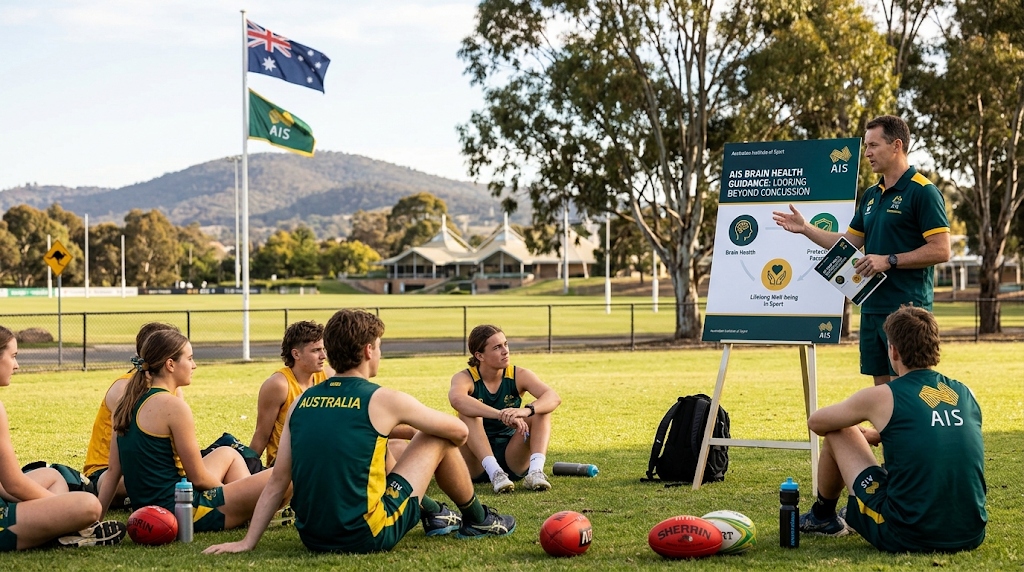 Representative / Australian Sports Commission Archive
Key Takeaways & Intelligence
- The Australian Institute of Sport (AIS) has released comprehensive guidance shifting athletic neuroprotection from reactive concussion care toward lifelong brain health.
- The framework emphasizes multi-factorial brain resilience, including restorative sleep, cognitive stimulation, cardiovascular conditioning, and mental wellness.
- Sports physicians explicitly caution that positive lifestyle habits bolster cognitive reserve but do not eliminate the neurodegenerative risks of repetitive head impacts.
- Elite athletes across AFL, rugby, cricket, and Olympic sports have welcomed the guidelines as an essential roadmap for post-career quality of life.
- The AIS urges sporting codes to couple proactive health promotion with strict in-game head injury assessments (HIA) and mandatory stand-down protocols.
CANBERRA — In a major evolution of athletic healthcare, the Australian Institute of Sport (AIS) and the Australian Sports Commission (ASC) have unveiled comprehensive national guidance on lifelong athlete brain health, expanding the sporting sector’s traditional focus beyond immediate post-injury concussion management into holistic, preventative neurological longevity.
While contact sport governance over the past decade has centered on acute diagnosis—such as mandatory 12-to-21-day stand-down windows, baseline SCAT screenings, and video-assisted sideline reviews—the new AIS guidance introduces an overarching framework addressing brain health before, during, and long after an elite sporting career concludes.
However, AIS sports physicians and neurological researchers stress a vital medical distinction: while healthy lifestyle choices build valuable cognitive reserve and support neurovascular health, lifestyle interventions do not eliminate or neutralize the mechanical damage caused by repeated concussive or sub-concussive head impacts.
The guidance is designed to serve as a companion to, rather than a replacement for, stringent contact rules, training contact limits, and conservative return-to-play protocols.
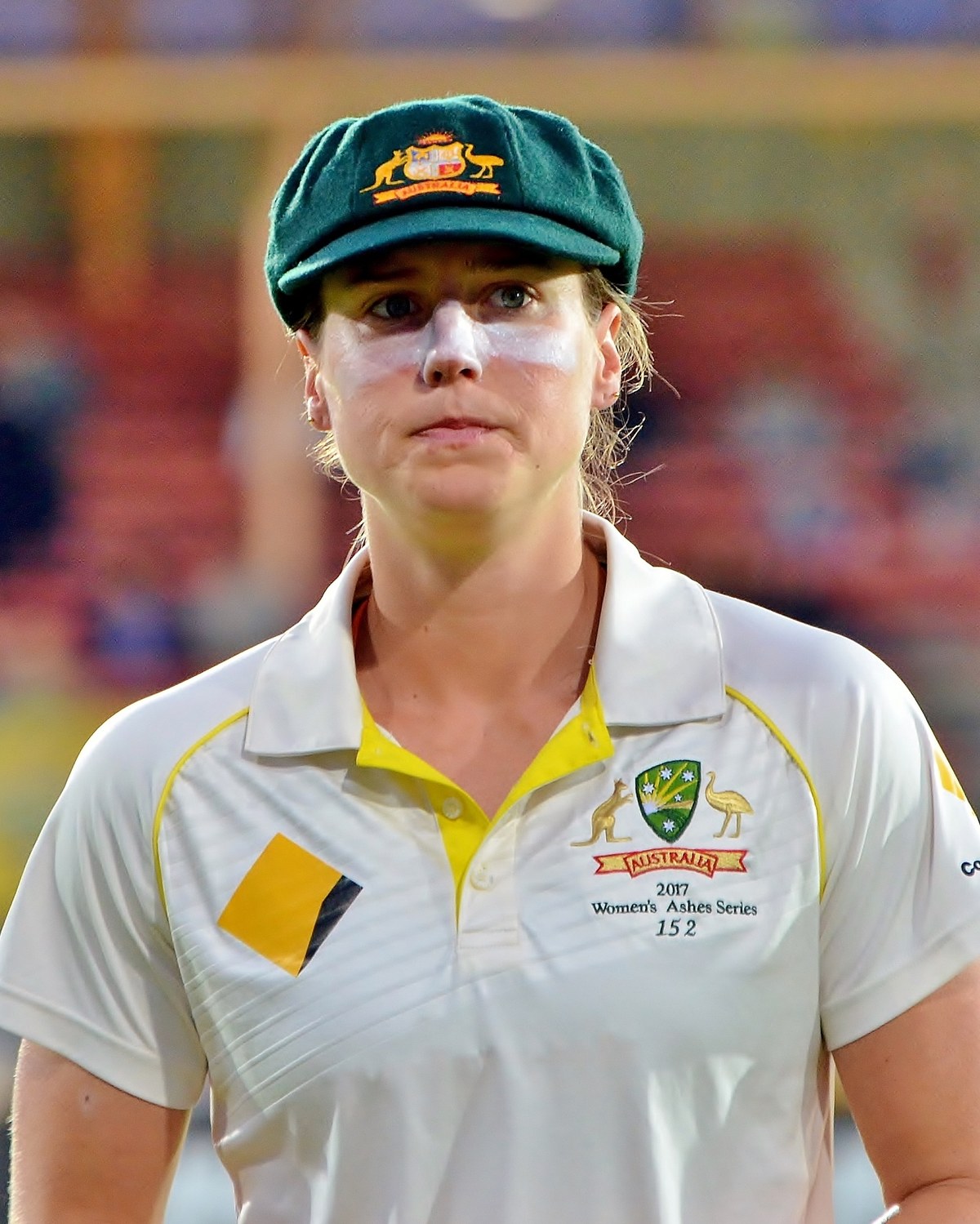 Photo: Bahnfrend / Wikimedia Commons (CC BY-SA 4.0)
The Paradigm Shift: From Reactive Triage to Lifelong Longevity
For decades, the public conversation surrounding athletic brain trauma has been dominated by fears of neurodegenerative conditions, notably Chronic Traumatic Encephalopathy (CTE). That narrow triage focus frequently left athletes feeling disempowered, viewing brain health solely through the lens of catastrophic inevitability.
The AIS framework, compiled by a multi-disciplinary panel of sports medicine physicians, neurologists, neuropsychologists, and athlete representatives, reframes the brain as an adaptable, living organ capable of enhanced resilience:
| Health Pillar | Recommended Athletic Practice | Neurological Mechanism & Benefit |
|---|---|---|
| Cardiorespiratory Fitness | Sustained aerobic training during and post-career | Promotes neurogenesis and cerebral blood flow |
| Cognitive Engagement | Dual-career education, puzzles, learning languages | Builds cognitive reserve and synaptic redundancy |
| Sleep Architecture | 8 to 10 hours of consistent, restorative sleep | Facilitates glymphatic waste clearance of metabolic toxins |
| Nutritional Neurology | Mediterranean-style diet rich in Omega-3s & polyphenols | Mitigates systemic and neuro-inflammatory markers |
| Psychosocial Wellbeing | Strong social networks and post-retirement community | Reduces late-life depression and cognitive decline risks |
Source: Australian Institute of Sport (AIS) Brain Health Guidance & Australian Sports Commission Clinical Framework.
“Elite athletes invest immense discipline into their muscular, skeletal, and cardiovascular systems, but historically, the brain was only addressed when someone sustained a head strike,” noted Dr. David Hughes, Chief Medical Officer at the AIS. “Our guidance shifts the narrative. We want athletes proactively managing their brain health from their junior development days through retirement.”
What Lifestyle Can—and Cannot—Achieve
The AIS emphasized that clarity regarding head impacts is critical to prevent dangerous complacency.
Emerging sports science demonstrates that engaging in regular aerobic exercise, pursuing academic or intellectual pursuits alongside sports, and adhering to strict anti-inflammatory nutrition creates what neurologists term “cognitive reserve”—a buffer of neural resilience that helps individuals cope better with aging or neuropathological changes.
Crucially, however, the report makes clear:
- No Diet or Supplement Prevents Mechanical Concussion: No helmet, mouthguard, dietary supplement, or physical conditioning routine can prevent the brain from moving within the skull during rapid acceleration or deceleration.
- Cumulative Sub-Concussive Exposure Remains Hazardous: Repeated heading in football, routine tackling in rugby league and union, or sparring in combat sports impart mechanical shear stresses on delicate axonal tracts, regardless of an athlete’s physical fitness.
- Rule Changes and Contact Limits Remain Paramount: Minimizing contact exposure in training, penalizing dangerous high contact, and strictly enforcing removal-from-play mandates remain the only effective methods for reducing brain trauma incidence.
Athletes Welcome Proactive Clarity
The release of the guidance was warmly embraced by current and retired athletes across Australian Rules football (AFL/AFLW), rugby codes, netball, and cricket.
Many competitors highlighted that clear, evidence-based recommendations remove the sense of helplessness that has pervaded dressing rooms following high-profile medical retirements.
Former international competitors applauded the guidance’s emphasis on “dual-career development”—encouraging athletes to pursue university degrees, apprenticeships, or intellectual hobbies while competing. Neuropsychological data indicates that athletes who maintain multifaceted identities outside of sport demonstrate superior psychological outcomes and cognitive resilience upon retirement.
Recommendations for National Sporting Organisations (NSOs)
The AIS framework calls on all Australian sporting bodies to embed the new principles across their operational ecosystems:
- Integrated Brain Health Education: Incorporating brain hygiene modules (sleep optimization, alcohol moderation, and mental wellness) into junior academy curriculums alongside strength and conditioning.
- Annual Neurological Check-Ins: Instituting comprehensive annual medical reviews that evaluate cognitive performance, sleep quality, and psychological health, rather than testing only after an acute blow.
- Structured Post-Career Transitions: Providing retiring athletes with medical and psychological transition support for at least two to five years following their exit from professional competition.
By moving beyond the narrow confines of concussion triage, Australia’s sporting leadership hopes to pioneer a global standard where athletic excellence and long-term neurological vitality reinforce, rather than compromise, one another.
Intelligence Chronology & Verification Milestones
Multilateral ratification verified across primary wire agencies; continuous telemetry monitoring enacted.
Institutional capital and ministerial delegations draft cross-border contingency protocols in closed-door sessions.
Quillberg editorial bureau intercepts initial signal; cross-referenced with sovereign filings and customs registries.
Cite This Dispatch & Link Back
Quoting, analyzing, or covering this story in your publication, academic research, or blog? Use this formatted citation to link back directly to the verified source:
[Quillberg News: AIS Unveils Landmark Athlete Brain Health Guidance](https://quillberg.com/ais-athlete-brain-health-guidelines-2026)