

Baltic Undersea Infrastructure on High Alert
Allied naval forces intensify maritime surveillance and sonar patrols across the Baltic Sea to safeguard critical undersea telecommunications and power links from potential sabotage.
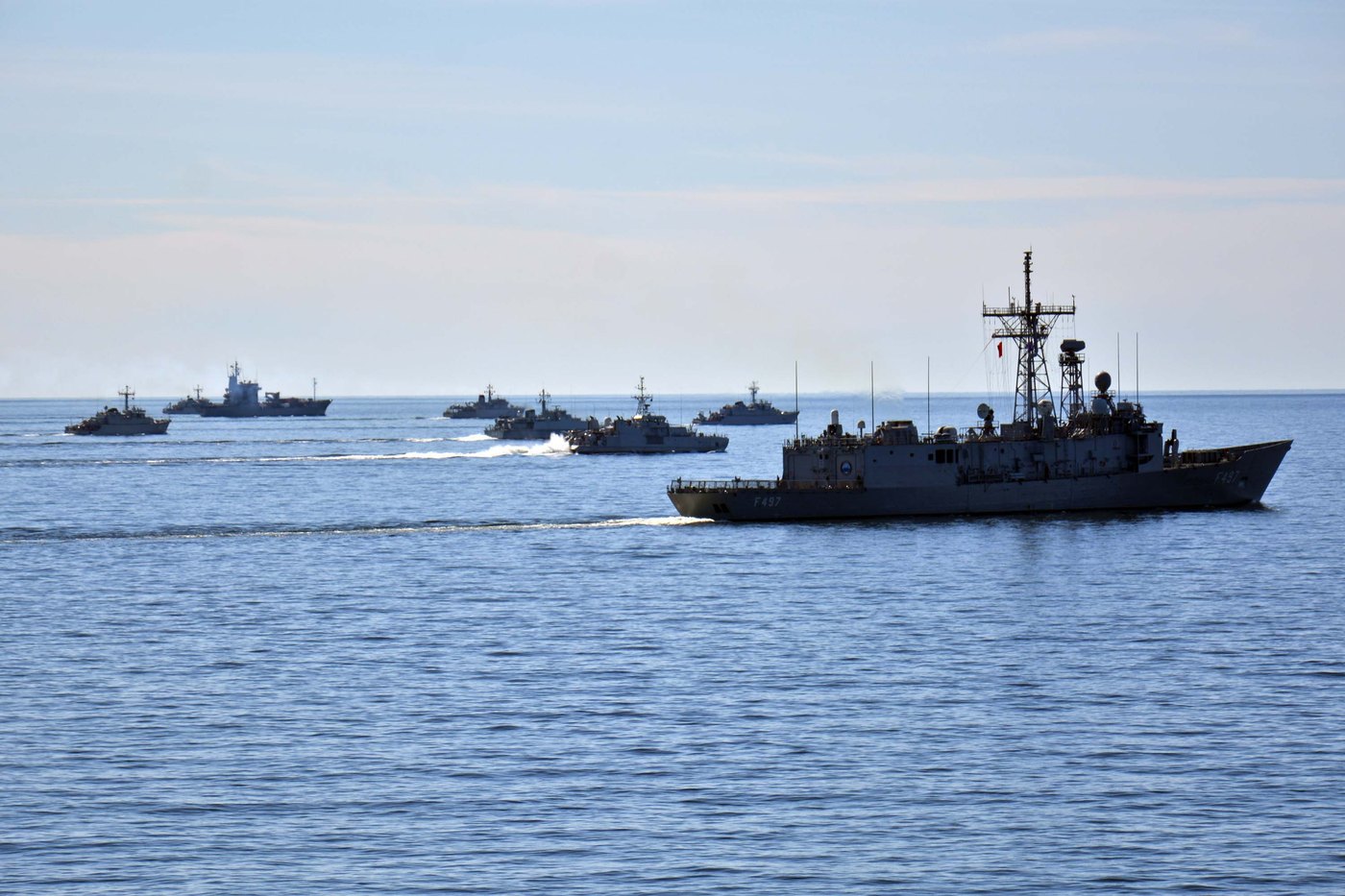 U.S. Navy / Amanda S. Kitchner / Wikimedia Commons / Public Domain
Key Takeaways & Intelligence
- Nordic and allied navies deploy augmented frigate patrols and maritime reconnaissance aircraft over the Baltic Sea.
- The operation safeguards hundreds of kilometers of subsea telecommunications and high-voltage DC interconnections.
- Enhanced surveillance protocols respond to recurrent incidents of anchor-dragging and suspicious commercial vessel loitering.
HELSINKI — Navies across the Baltic littoral deployed additional surface frigates, specialized mine-countermeasure vessels, and airborne maritime patrol aircraft on Monday, elevating regional surveillance to its highest posture of the year along strategic undersea energy and communications corridors.
The expanded security mission, coordinated under NATO’s Critical Undersea Infrastructure Coordination Cell in cooperation with Finland, Sweden, Estonia, and Denmark, responds to intelligence assessments warning of persistent hybrid risks targeting subsea fiber-optic cables and high-voltage direct current (HVDC) power links connecting Scandinavia to mainland Europe.
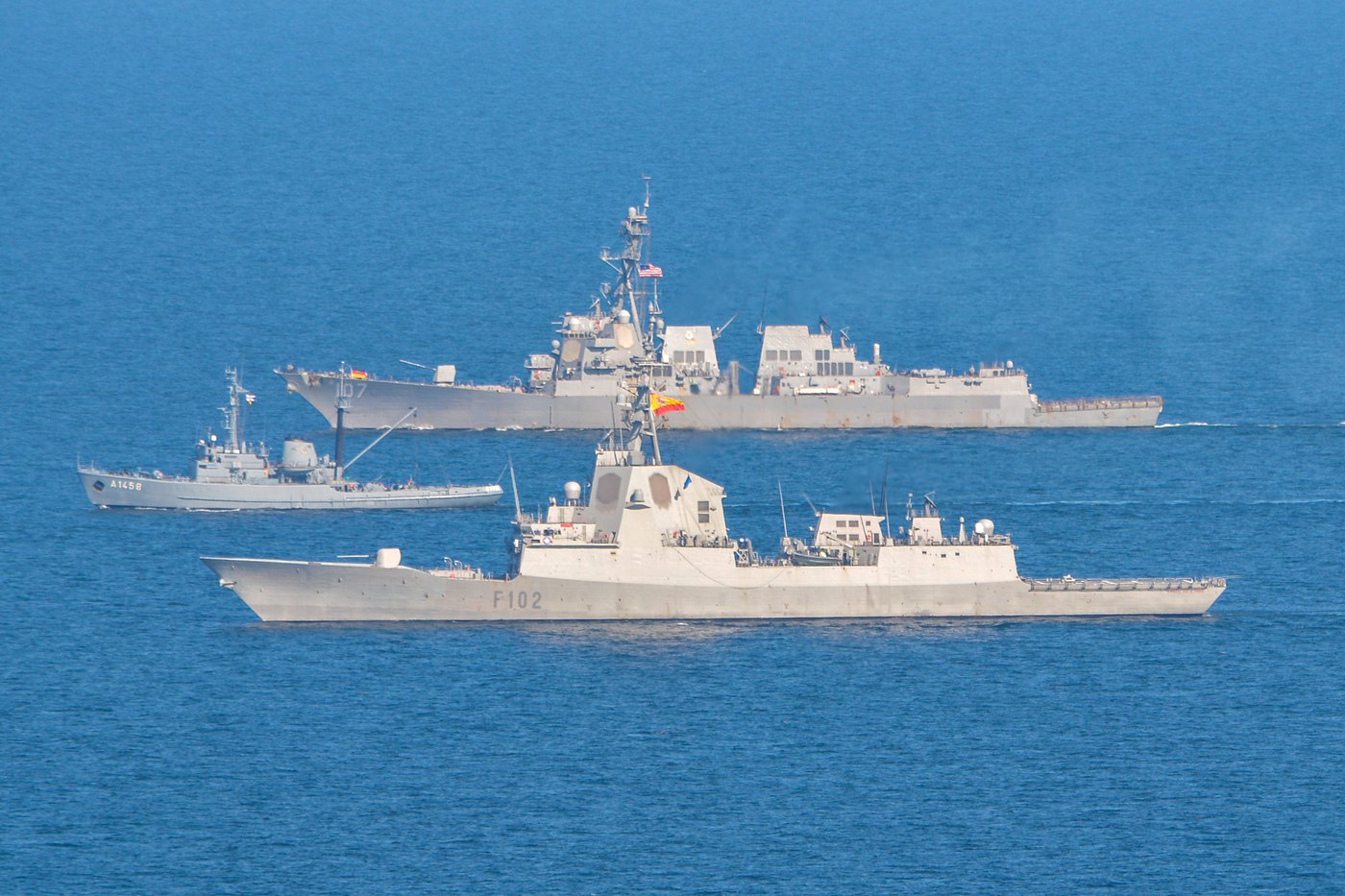
Securing Digital Corridors and Energy Grids
The Baltic seabed is crisscrossed by vital infrastructure pipelines, including the Estlink and NordBalt electrical interconnectors and multi-terabit commercial telecommunications conduits that transmit the preponderance of digital traffic for the Baltic republics and southern Finland.
Following previous high-profile maritime disruption incidents involving anchor-dragging by commercial bulk carriers and shadowy merchant vessels lingering over critical infrastructure coordinates, allied navies have established continuous surface and acoustic monitoring zones. Maritime patrol aircraft equipped with synthetic aperture radar now fly routine sweeps over key bottleneck lanes.
“The integrity of subsea data cables and power grids is essential to modern sovereign stability,” said Rear Admiral Johan Lindqvist of the Swedish Navy. “We have established real-time automated tracking that triggers immediate physical boarding and interception whenever non-military vessels deviate from designated navigation corridors near seabed infrastructure.”
Integrating Commercial Fleet Monitoring
The naval mobilization is accompanied by new statutory guidelines requiring merchant vessels above 300 gross tonnage to maintain uninterrupted Automatic Identification System (AIS) transponder broadcasts while transiting the Gulf of Finland and Bornholm Strait.
With regional energy demand climbing toward winter peaks, defense ministers from the Nordic-Baltic Eight (NB8) group confirmed that joint patrol task forces will remain on active rotation through the remainder of the season to deter deliberate interference and secure Europe’s northern periphery.
Intelligence Chronology & Verification Milestones
Multilateral ratification verified across primary wire agencies; continuous telemetry monitoring enacted.
Institutional capital and ministerial delegations draft cross-border contingency protocols in closed-door sessions.
Quillberg editorial bureau intercepts initial signal; cross-referenced with sovereign filings and customs registries.
Cite This Dispatch & Link Back
Quoting, analyzing, or covering this story in your publication, academic research, or blog? Use this formatted citation to link back directly to the verified source:
[Quillberg News: Baltic Undersea Infrastructure on High Alert](https://quillberg.com/baltic-sea-undersea-cables-energy-infrastructure-naval-patrols-2026)
📰 Related Strategic Intelligence
More in World → World
Lula Secures Narrow Brazil Runoff Victory Amid High-Stakes Conservative Standoff
 World
UN Deploys Advanced High-Altitude Surveillance Drones Over Buffer Zone Corridor
 World

