China Launches Shenzhou-24 With Pakistan’s First Astronaut
China launched the Shenzhou-24 spacecraft from Jiuquan aboard a Long March-2F rocket, sending former Pakistan Air Force pilot Muhammad Zeeshan Ali toward the Tiangong space station as its first-ever foreign crew member.
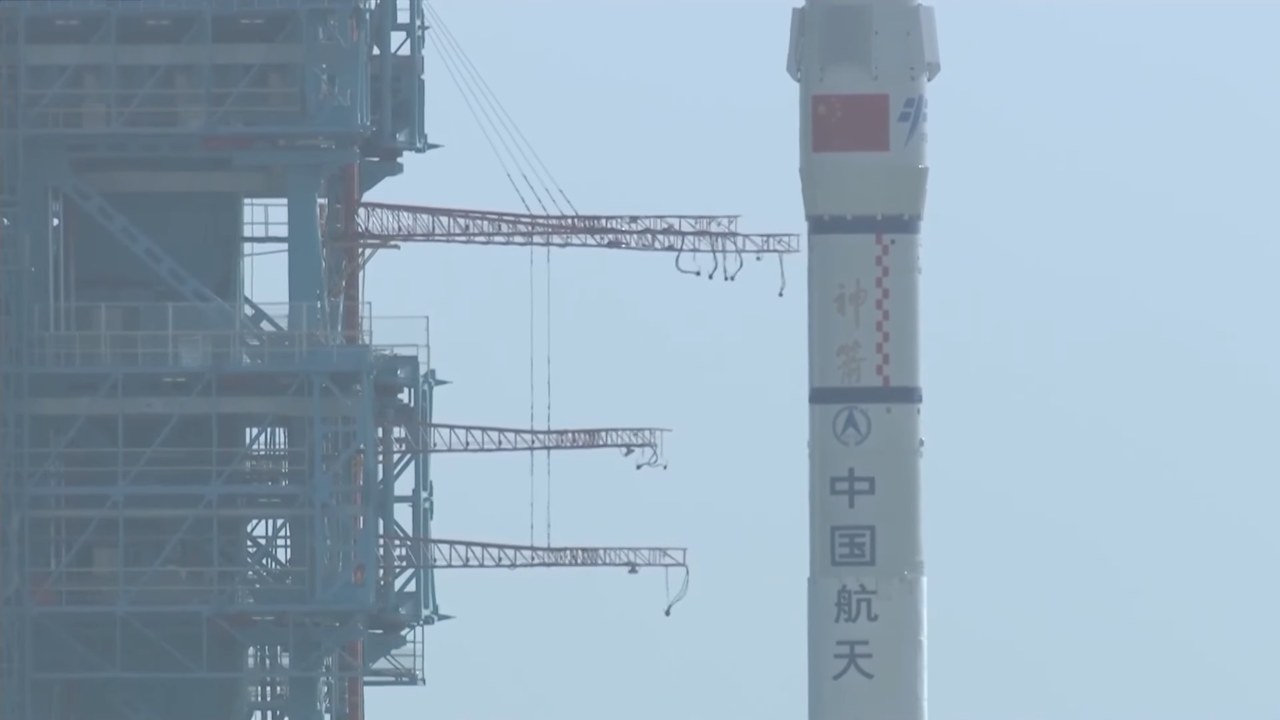 China News Service / CC BY 4.0
Key Takeaways & Intelligence
- Shenzhou-24 lifted off at 8:18 a.m. Beijing Time from Jiuquan Satellite Launch Center atop a Long March-2F rocket.
- Former Pakistan Air Force pilot Muhammad Zeeshan Ali became Pakistan's first astronaut and the first foreign national invited aboard Tiangong.
- Ali joins Chinese commander Tang Hongbo and flight engineer Wu Yi for a roughly one-week orbital science mission.
- The milestone cements China-Pakistan bilateral space cooperation as Beijing opens its orbital station to international partners.
JIUQUAN, CHINA — China’s space program entered a new era of international collaboration on Wednesday as the Shenzhou-24 spacecraft thundered into orbit, carrying former Pakistan Air Force pilot Muhammad Zeeshan Ali toward the Tiangong space station alongside two Chinese crewmates.
Lifting off at 8:18 a.m. Beijing Time aboard a Long March-2F carrier rocket from the Jiuquan Satellite Launch Center in northwestern China, Shenzhou-24 marks the first crewed flight in Beijing’s space history to transport a foreign national to its permanent orbital outpost.
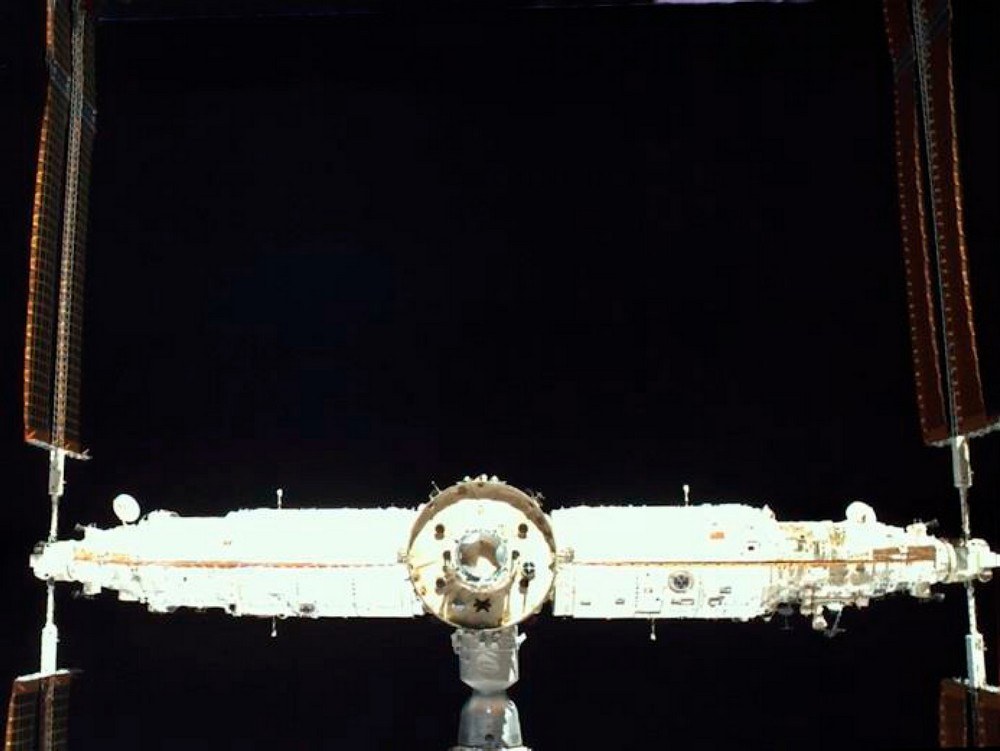 (Photo: Wikimedia Commons / Tiangong Orbital Archive)
A Historic Bilateral Crew
Commanding the mission is veteran taikonaut Tang Hongbo, making his third trip to the Tiangong complex, accompanied by rookie flight engineer Wu Yi. Serving as payload specialist, the 40-year-old Ali completed rigorous language immersion in Mandarin and zero-gravity endurance training at the Astronaut Centre of China in Beijing alongside his Pakistani backup, Khurram Daud.
“Opening the doors of Tiangong to international payload specialists demonstrates that our orbital laboratory has matured into a shared platform for peaceful scientific discovery,” officials with the China Manned Space Agency (CMSA) noted ahead of liftoff following months of joint bilateral preparation with Pakistan’s space agency, SUPARCO.
One-Week Microgravity Agenda
Unlike his Chinese colleagues embarking on a longer orbital rotation, Ali is scheduled for a brisk week-long sprint aboard the station. His research slate features biological experiments designed by Pakistani universities, including a closely watched study on photosynthetic cyanobacteria behavior in microgravity.
Upon completing his experiments, Ali is slated to return to Earth alongside departing members of the previous Shenzhou-23 expedition. For Islamabad, the flight delivers a wave of national prestige while underscoring deepening technological integration between China and its regional partners as Beijing positions Tiangong as an alternative orbital hub alongside the aging International Space Station.