

The Critical Minerals Chokepoint: Resource Nations Enforce Raw Ore Export Bans to Force Domestic Value Creation
A powerful wave of resource nationalism is transforming global green energy supply chains. Taking cues from Indonesia's successful nickel embargo, mineral-rich governments across Africa and Latin America—including Zimbabwe, the Democratic Republic of Congo, Namibia, and Chile—are outlawing the direct export of unprocessed raw lithium, cobalt, and rare earths, forcing international automakers and battery conglomerates to build expensive processing plants within their borders.
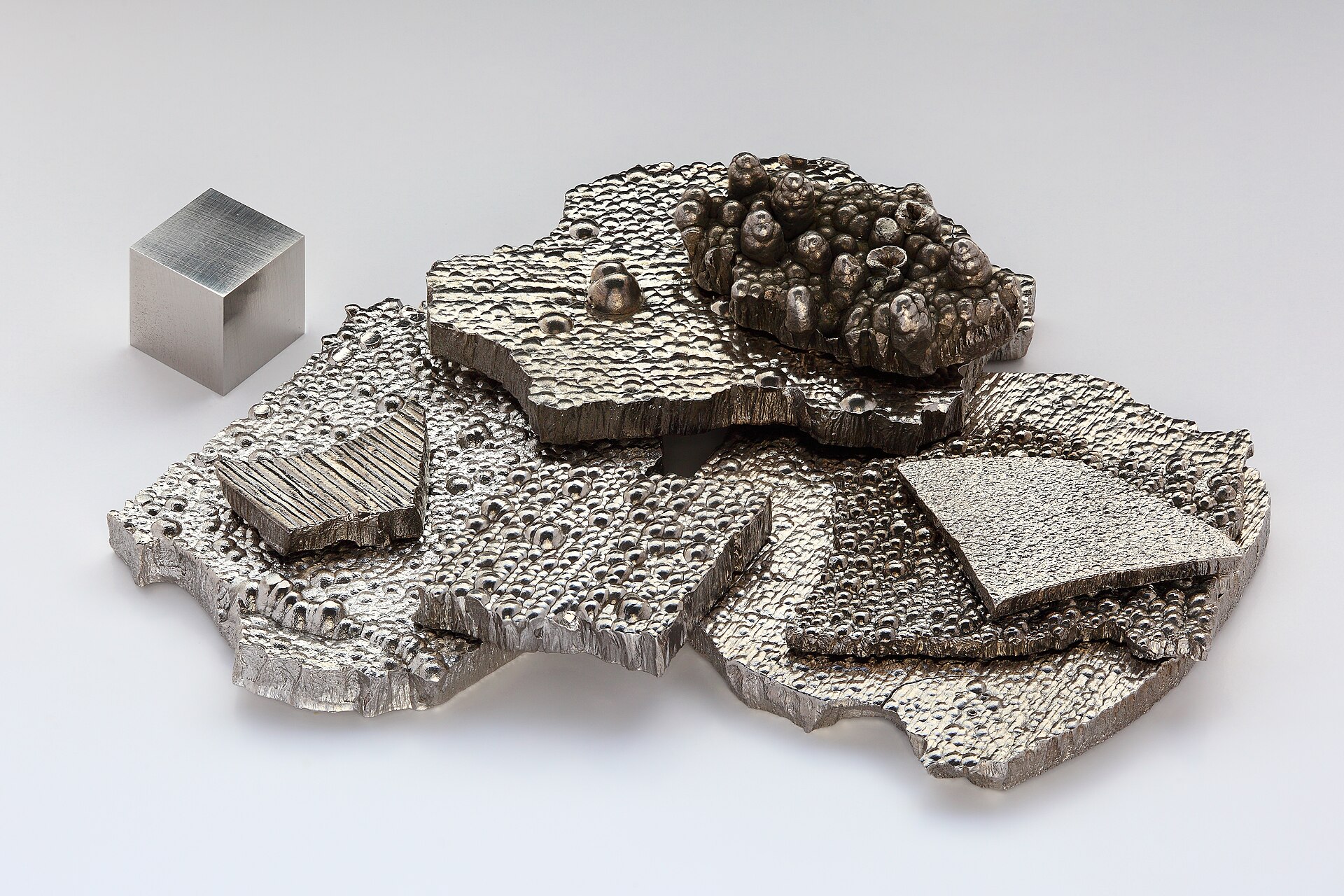 Heinrich Pniok / Mineral Archive
Key Takeaways & Intelligence
- Major mineral-producing nations are terminating raw ore exports to escape the historic 'resource curse' and capture lucrative midstream refining margins.
- International automakers face supply shocks and rising capital costs as they are forced to co-finance domestic smelters and chemical processing hubs.
- Western efforts to secure compliant, non-Chinese battery supply chains face severe friction as resource sovereign nations establish independent bilateral terms.
For more than a century, the economic equation governing developing nations endowed with subterranean mineral wealth followed an exploitative colonial formula: multinational conglomerates extracted raw, unrefined rock from open-pit mines, loaded it onto bulk carrier vessels, and shipped it overseas for high-margin smelting, chemical refining, and manufacturing.
That economic dynamic is being decisively dismantled.
Spurred by Indonesia’s aggressive ban on raw nickel exports—which successfully compelled over $30 billion in domestic smelting and stainless-steel capital investments—sovereign governments across Africa and Latin America are shutting their ports to raw lithium, cobalt, manganese, and rare earth ores. The mandate delivered to international mining syndicates is categorical: refine the minerals domestically or leave them in the ground.
Escaping the Colonial Ore Trap
In Zimbabwe, home to Africa’s largest known hard-rock lithium deposits, the government enacted strict export bans on raw spodumene ore. Under revised mining codes, mining operators must produce battery-grade lithium carbonate or lithium hydroxide within domestic borders before securing maritime export documentation.
A similar policy trajectory has unfolded across the Democratic Republic of Congo (DRC), which accounts for over 70% of global cobalt extraction. President Félix Tshisekedi’s administration has aggressively renegotiated joint-venture mining pacts, demanding domestic refining infrastructure and greater state equity stakes in processing ventures.
“For generations, our continent has exported soil and imported poverty,” says Dr. Nandi Kamau, lead resource policy fellow at the Pan-African Centre for Resource Governance in Nairobi. “Selling raw lithium ore at $800 a ton while international refiners convert it into $25,000 battery chemicals is an intolerable economic drain. Resource-holding nations now hold the geopolitical leverage, and they are asserting sovereign industrial control.”
Resource Nationalism Matrix Across Strategic Producers
| Sovereign Nation | Strategic Mineral Asset | Statutory Export Measure | Required Domestic Benchmark | Primary Trading Impact |
|---|---|---|---|---|
| Indonesia | Nickel & Bauxite | Comprehensive Raw Ore Export Ban | Domestic high-pressure acid leach (HPAL) / Smelting | Dominates global refined nickel market (>55%) |
| Zimbabwe | Hard-rock Spodumene (Lithium) | Prohibition on raw/unprocessed rock | Minimum 6% lithium concentrate / Carbonate plants | Major Chinese refiners constructing $1.2B local plants |
| Dem. Rep. of Congo (DRC) | Cobalt & Copper | Quota enforcement & raw export penalties | Domestic processing to intermediate chemical salts | Tighter export certification and mandatory local joint-ventures |
| Namibia | Lithium, Dysprosium & Terbium | Export prohibition on unprocessed minerals | In-country beneficiation verification | Western OEM sourcing timelines extended |
| Chile | Brine Lithium | State-directed Public-Private Consortiums | Mandatory supply reservation for domestic industrialization | Codelco acquiring majority control of Atacama operations |
The Friction with Western Automakers and Capital Markets
For Western electric vehicle manufacturers—including Tesla, General Motors, and Volkswagen—this rising tide of resource nationalism represents a logistical and financial headache. Under legislation such as the United States Inflation Reduction Act (IRA) and the European Union Critical Raw Materials Act, automakers must source battery materials from nations with bilateral free-trade agreements or domestic security clearance.
However, many African and Southeast Asian mineral powerhouses lack free-trade agreements with Washington or Brussels, complicating tax credit eligibility. Furthermore, building heavy chemical refining plants in regions lacking reliable grid infrastructure, industrial rail networks, and skilled metallurgical labor requires enormous upfront capital expenditure.
Chinese refining conglomerates, by contrast, have moved swiftly. State-backed entities like Ganfeng Lithium, Tianqi, and Tsingshan have invested billions constructing on-site processing facilities, hydro-electric sub-stations, and dedicated rail lines across Zimbabwe, Indonesia, and the DRC, cementing their dominance over intermediate battery chemical refining.
As the global transition to renewable electrification accelerates, the balance of power has decisively swung toward the nations with the geological reserves. The era of cheap, raw mineral extraction is finished; sovereign processing is the new prerequisite for global market access.
Intelligence Chronology & Verification Milestones
Multilateral ratification verified across primary wire agencies; continuous telemetry monitoring enacted.
Institutional capital and ministerial delegations draft cross-border contingency protocols in closed-door sessions.
Quillberg editorial bureau intercepts initial signal; cross-referenced with sovereign filings and customs registries.