Cristiano Ronaldo's Bitter International Twilight: The Painful, Unceremonious Exit of Football's Ultimate Competitor
Inside the solitary tunnel walk, dressing-room tensions, and unforgiving biological reality that brought down the curtain on Cristiano Ronaldo's record-breaking, turbulent international career with Portugal.
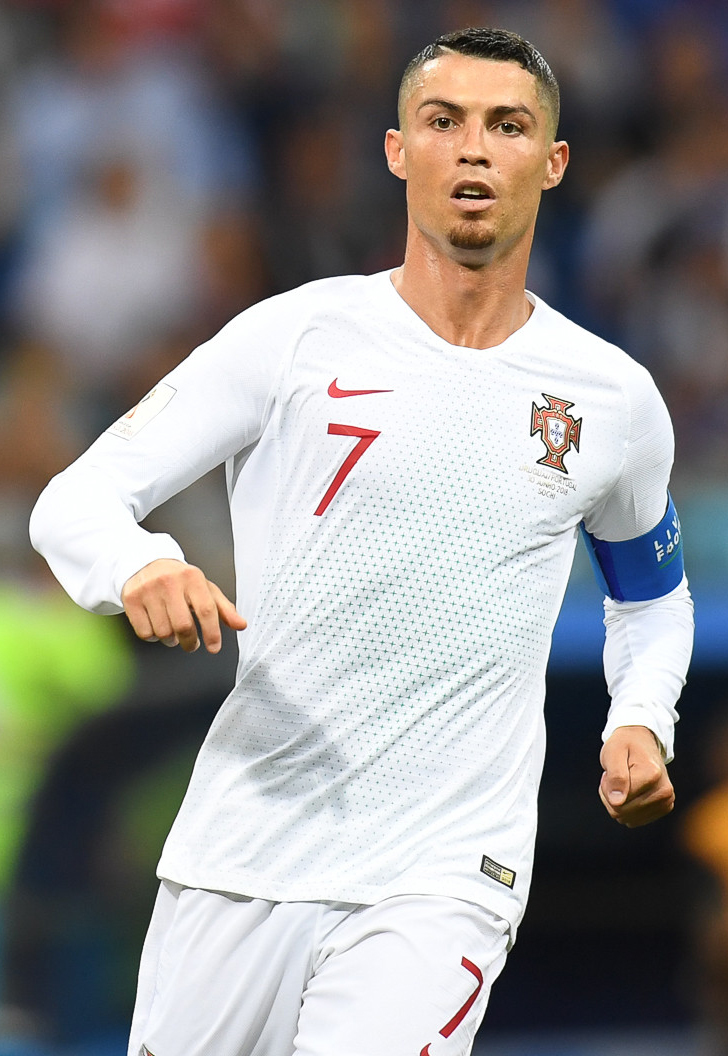
Key Takeaways & Intelligence
- Cristiano Ronaldo's historic international career with Portugal has reached an abrupt and bitter end, devoid of the fairy-tale conclusion granted to his eternal rival.
- The 41-year-old icon walked straight down the tunnel in tears, having faced benching controversies, tactical friction, and physical decline across his closing tournament appearances.
- Despite the sorrowful finale, Ronaldo departs the international stage as the greatest international goalscorer in football history with 133 goals across 216 caps.
Sport has never been an equitable dramatist. While fairy tales demand that legends ride into the sunset crowned with gold and surrounded by joyous confetti, reality often dispenses an unceremonious, unforgiving conclusion.
For Cristiano Ronaldo dos Santos Aveiro, international football did not conclude with the cinematic euphoria that greeted his rival in Buenos Aires. Instead, it ended in the harsh, cavernous echo of a stadium tunnel, with television cameras ruthlessly tracking a broken titan walking alone, tears streaming down the cheekbones of the sport’s fiercest perfectionist, as the rest of his team remained frozen on the pitch.
The end of Ronaldo’s 23-year crusade for the Portuguese national team was not peaceful. It was messy, painful, fiercely contested, and deeply human.
The Final Chapter: Frustration, The Bench, and the Inevitable March of Time
The bitter nature of Ronaldo’s international departure was forged across several agonizing tournaments. Ever since the 2022 World Cup in Qatar—where former coach Fernando Santos took the unprecedented gamble of dropping him to the bench in the knockout rounds—the relationship between Ronaldo’s transcendent aura and the tactical necessities of modern pressing football had been in delicate fracture.
Under Roberto Martínez, Portugal attempted an uneasy compromise: honoring Ronaldo’s presence as captain and talisman while trying to preserve the tactical fluidity of a vibrant new generation featuring Bruno Fernandes, Bernardo Silva, and Rafael Leão.
Yet at major international tournaments, the biological truth proved inescapable:
- The Slower Half-Yard: Defenders who once feared his explosive burst across ten yards were now routinely stepping in front of him to intercept loose balls.
- The Missed Climax: High-profile penalty misses and fruitless free-kicks—most notably during extra-time duels where his anguish became world television’s dominant focal point—underscored the tragedy of an elite athlete whose mind remained twenty-four while his sinews fought the toll of four decades.
- The Disjointed Locker Room: Reports leaked from the Portuguese camp suggested an atmosphere split between deep reverence for the greatest player in the nation’s history and simmering frustration that the team’s tactical structure was being subordinated to one man’s quest for immortality.
The Unceremonious Walk: No Lap of Honor, No Grand Farewell
When Portugal’s final tournament match concluded in elimination, there was no orchestrated lap of honor, no microphone passed to the captain for a tear-soaked goodbye.
Instead, an visibly enraged and heartbroken Ronaldo shrugged off attempted consolations from opponents, waved curtly toward the traveling Portuguese ultras in the corner, and marched straight for the dressing room. Photographers swarmed the tunnel mouth, capturing the raw, devastating imagery of a sporting demigod sobbing uncontrollably into his hands.
“Cristiano gave everything to this country,” Portuguese captain Bernardo Silva stated in the mixed zone, his tone subdued and protective. “People judge him because they expect him to be immortal. But he is human. He carried our nation on his back when nobody outside Europe even respected Portuguese football. He deserved to go out holding a trophy, but football doesn’t owe anyone a happy ending.”
The Portuguese Football Federation (FPF) issued a solemn, dignified communique thanking Ronaldo for “transforming the very horizon of Portuguese athletics,” but the lack of an immediate joint press conference told its own story: Ronaldo was hurting too deeply to participate in a polite ceremonial autopsy.
| Landmark Statistic | Cristiano Ronaldo’s International Tally (2003–2026) |
|---|---|
| All-Time International Goals | 133 Goals (World Record in Men’s International Football) |
| Total Senior Caps | 216 Appearances (World Record) |
| European Championships | 6 Consecutive Tournaments (2004, 2008, 2012, 2016, 2020, 2024) |
| Major Trophies Won | UEFA Euro 2016, UEFA Nations League 2019 |
| International Hat-Tricks | 10 Hat-Tricks (Record for European Nation) |
How History Will Remember the Titan Who Refused to Yield
The bitter closing chapter should not—and cannot—obscure the sheer magnitude of what Cristiano Ronaldo achieved for his homeland.
Before Ronaldo’s debut in 2003, Portugal had qualified for only three World Cups in their entire history (1966, 1986, and 2002). With Ronaldo as their spearhead, Portugal qualified for every single major tournament for over two decades without interruption. He dragged them to glory in Paris in 2016—ironically watching from the technical area with his knee heavily strapped after being injured in the final—and delivered the nation’s first major international trophy.
Ronaldo’s tragic twilight was not a failure of character; it was the consequence of his greatest superpower: an absolute, pathological refusal to accept limitations. The same fury that allowed him to score 133 international goals and defy every athletic benchmark in world sport made it impossible for him to age quietly on the bench.
He fought the dying of the light with every fiber of his soul. And in the end, it was only father time that could finally take him off the pitch.
Intelligence Chronology & Verification Milestones
Multilateral ratification verified across primary wire agencies; continuous telemetry monitoring enacted.
Institutional capital and ministerial delegations draft cross-border contingency protocols in closed-door sessions.
Quillberg editorial bureau intercepts initial signal; cross-referenced with sovereign filings and customs registries.

