

Formula 1's Radical 2026 Engine Overhaul: The Engineering War Over the 50/50 Electric-Combustion Balance
Inside the confidential design offices of Ferrari, Mercedes-AMG, Red Bull Ford Powertrains, and Audi, engineers are wrestling with the most radical technical revolution in Formula 1 history. The FIA's 2026 powertrain regulations abolish the complex MGU-H and demand an unprecedented 50/50 power split between internal combustion and electrical output—forcing the introduction of active aerodynamics to prevent cars from running out of battery charge mid-straightaway.
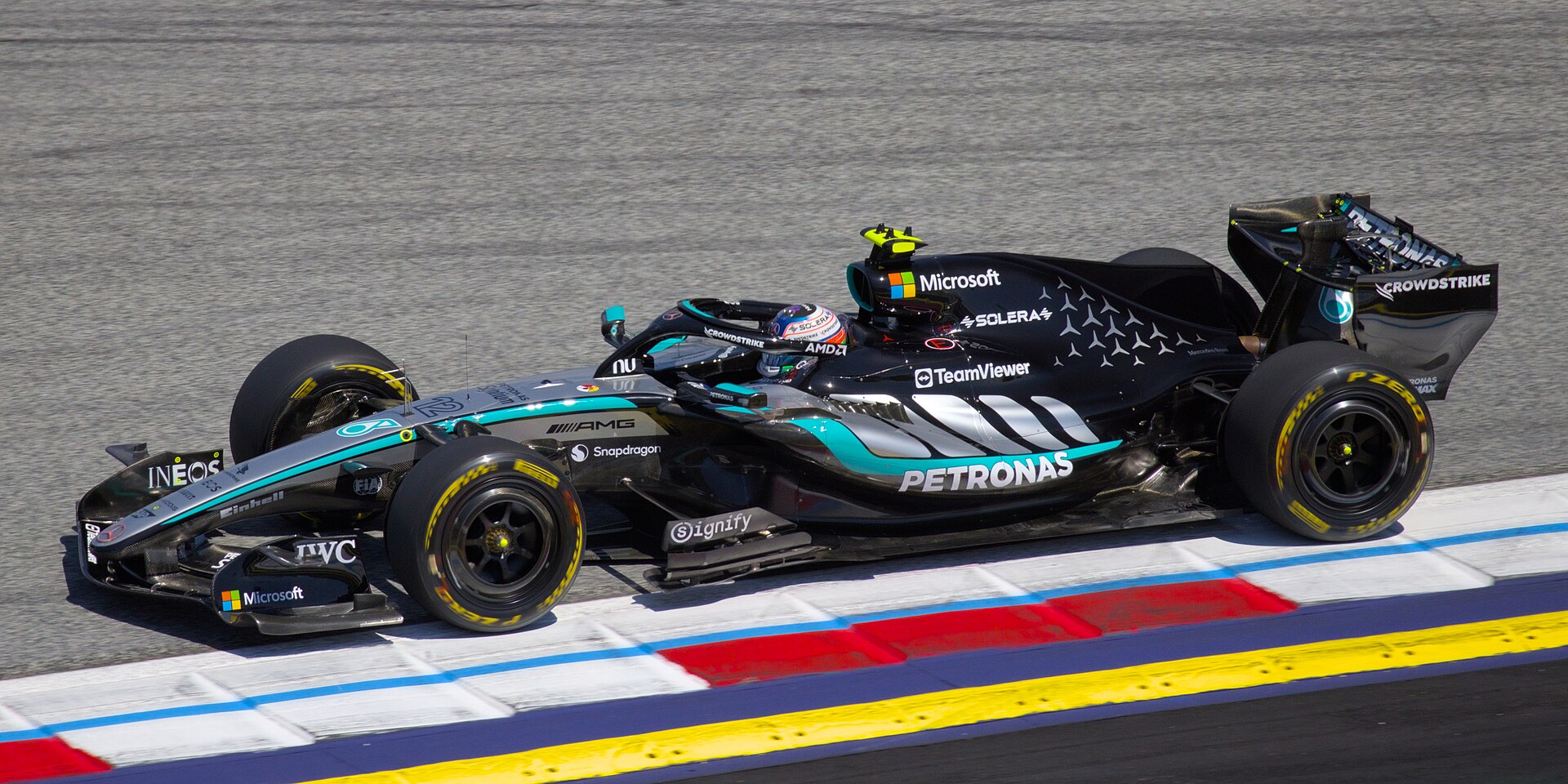 FIA Media Pool / Formula 1
Key Takeaways & Intelligence
- The 2026 technical regulations eliminate the complex Motor Generator Unit - Heat (MGU-H), nearly tripling electrical output to 350kW (469 bhp).
- Achieving a 50/50 power split between the V6 turbo engine and electric hybrid motor creates severe energy depletion risks on long straights like Monza and Baku.
- To reduce drag and conserve battery power, Formula 1 is introducing active aerodynamics, featuring adjustable front and rear wings that shift modes in real time.
In the hyper-competitive world of top-tier motorsport, regulatory cycles dictate dynasties. The introduction of 1.6-liter turbocharged V6 hybrid power units in 2014 ushered in nearly a decade of Mercedes dominance; the 2022 shift to ground-effect aerodynamics crowned Red Bull Racing’s mastery of underfloor venturi tunnels.
Now, Formula 1 stands on the precipice of its most radical engineering overhaul: the 2026 Power Unit and Chassis Regulations.
Promulgated by the Fédération Internationale de l’Automobile (FIA), the 2026 rules discard over a decade of complex powertrain engineering to lure major automotive manufacturers—successfully attracting German luxury giant Audi and American titan Ford back to the grid, while retaining Ferrari, Mercedes, Alpine, and Honda.
The Tripling of Electrical Power: The 350kW Challenge
The foundational pillar of the 2026 engine formula is the complete elimination of the MGU-H (Motor Generator Unit - Heat), the notoriously expensive and intricate component that harvested electrical energy from turbocharger exhaust gases.
To compensate for the loss of the MGU-H while retaining total output above 1,000 horsepower, the FIA has massively expanded the MGU-K (Motor Generator Unit - Kinetic):
- Electrical output jumps from the current 120 kilowatts (~160 bhp) to a staggering 350 kilowatts (~469 bhp).
- Output from the 1.6-liter turbocharged internal combustion engine (ICE) is scaled back from ~750 bhp to approximately 535 bhp (400kW).
- For the first time in Grand Prix racing, propulsion is divided nearly 50/50 between liquid chemical fuel and high-voltage electrical current.
- The combustion engine must run exclusively on 100% advanced sustainable drop-in e-fuels, derived entirely from non-food biological waste or carbon capture technologies.
Technical Regulations Compared: Current Era vs. 2026 Overhaul
| Technical Specification | 2022–2025 Hybrid Architecture | 2026 Formula 1 Power Unit & Chassis |
|---|---|---|
| Combustion Engine (ICE) Output | ~550–570 kW (~750 bhp) | ~400 kW (~535 bhp) |
| MGU-K Electrical Output | 120 kW (~160 bhp) | 350 kW (~469 bhp) — Nearly 3x increase |
| MGU-H Energy Harvesting | Mandatory (Unlimited recuperation) | Completely Abolished (Cost & complexity reduction) |
| Total Electrical Energy Harvested | 2 MJ per lap | 8.5 MJ per lap (Substantial braking recovery required) |
| Fuel Composition | E10 (10% sustainable ethanol) | 100% Advanced Sustainable Drop-In Synthetic Fuel |
| Chassis Dimensions & Weight | 2000mm width / 798kg minimum | 1900mm width (-100mm) / 768kg (-30kg target) |
| Aerodynamic Configuration | Static wings + DRS rear flap | Active Aerodynamics: Z-Mode (Cornering) & X-Mode (Straight) |
The Physics Problem: The “Clipping” Crisis and Active Aerodynamics
While a 50/50 power split provides extraordinary green credentials and industrial relevance for commercial carmakers, it introduces a severe physical dilemma known to racing engineers as “energy clipping.”
On high-speed circuits featuring long straights—such as Monza, Baku, or Spa-Francorchamps—cars require continuous maximum power for hundreds of meters. Because the 350kW electric motor drains the onboard battery rapidly, early simulator runs showed cars exhausting their stored electrical reserves halfway down the straightaway, resulting in an abrupt drop in speed as the car relied solely on the 535-horsepower combustion engine.
To solve this dilemma, the FIA and Formula 1 technical working groups abandoned static bodywork in favor of Active Aerodynamics:
- Z-Mode (Cornering High-Downforce): Wings remain in an open, high-angle configuration through corners, maximizing mechanical downforce and cornering speeds.
- X-Mode (Straightaway Low-Drag): As drivers exit corners and enter straights, both the front and rear wings mechanically articulate into an ultra-low-drag profile, shedding aerodynamic resistance.
By drastically reducing aerodynamic drag down the straights, cars require significantly less electrical power to maintain speeds above 320 km/h, preventing catastrophic battery depletion before the next heavy braking zone.
Furthermore, a “Manual Override Mode” will replace traditional DRS, allowing a following driver to deploy supplementary electrical boost even when the leading car has begun throttling back its electric motor.
As dyno testing enters its final calibration phases across Brackley, Maranello, Milton Keynes, and Neuburg, the 2026 regulations represent far more than a rulebook tweak—they are an existential battle over the future of high-speed automotive engineering.
Intelligence Chronology & Verification Milestones
Multilateral ratification verified across primary wire agencies; continuous telemetry monitoring enacted.
Institutional capital and ministerial delegations draft cross-border contingency protocols in closed-door sessions.
Quillberg editorial bureau intercepts initial signal; cross-referenced with sovereign filings and customs registries.