

Brazil Municipal Runoffs: Conservative Ricardo Nunes Defeats Lula-Backed Boulos in São Paulo as Center-Right Dominates Major Cities
In a major test of Brazil's political landscape, conservative incumbent Mayor Ricardo Nunes secured a decisive victory in São Paulo's mayoral runoff, defeating left-wing congressman Guilherme Boulos. The result delivers a setback to President Luiz Inácio Lula da Silva and cements the dominance of center-right coalitions across Brazil's key metropolitan centers.
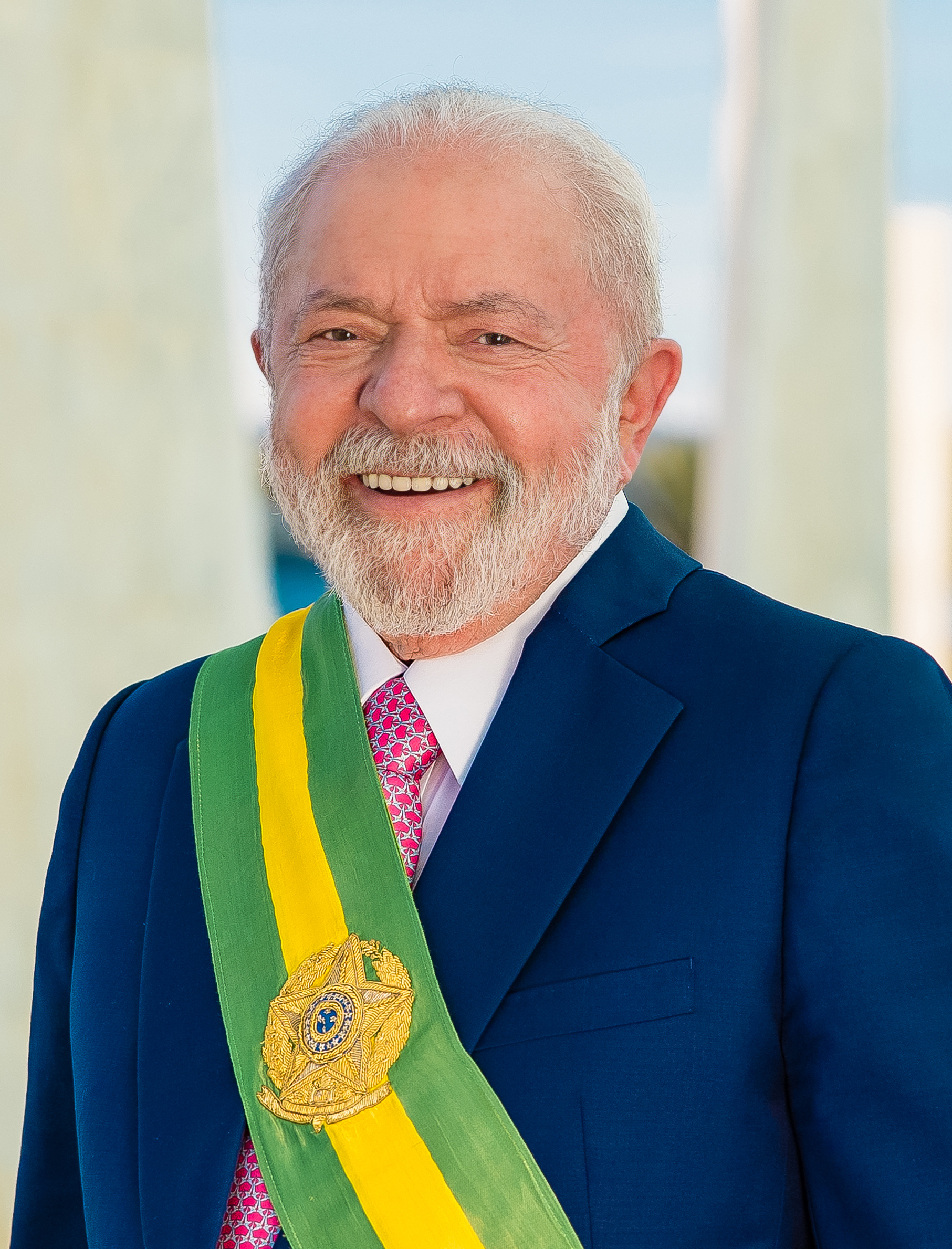 Reuters / Ricardo Stuckert
Key Takeaways & Intelligence
- Conservative incumbent Ricardo Nunes won 59.35% of the vote in São Paulo, defeating left-wing challenger Guilherme Boulos (40.65%).
- The election served as a high-stakes national proxy battle between President Lula da Silva and conservative allies led by Governor Tarcísio de Freitas and Jair Bolsonaro.
- Traditional center-right and conservative parties (PSD, MDB, União Brasil, PL) swept municipal capitals across Brazil, dealing a major blow to Lula's Workers' Party (PT).
In the most closely watched municipal election in South America, conservative incumbent Mayor Ricardo Nunes secured a commanding re-election victory in São Paulo on Sunday, capturing 59.35% of valid ballots to defeat his left-wing challenger, federal congressman Guilherme Boulos, who finished with 40.65%.
The race for City Hall in São Paulo—Latin America’s financial powerhouse and home to more than 11 million residents—transcended local urban issues to become a high-stakes national referendum on President Luiz Inácio Lula da Silva’s federal government and the balance of power ahead of the 2026 presidential election.
Lula had personally invested significant political capital into Boulos’s candidacy, appearing alongside him at rallies in the final stretch. Nunes, by contrast, enjoyed the firm backing of São Paulo State Governor Tarcísio de Freitas—widely viewed as the standard-bearer for Brazil’s conservative movement—as well as former president Jair Bolsonaro.
A Nationwide Setback for the Left
The defeat in São Paulo crystallized a broader electoral reality that unfolded across Brazil’s 51 cities that held runoff votes.
Rather than swinging back toward Lula’s Workers’ Party (PT), Brazilian voters overwhelmingly favored pragmatic center-right and conservative coalitions:
- Center-Right Dominance: Parties of the traditional center and center-right—notably the Social Democratic Party (PSD) led by Gilberto Kassab, the Brazilian Democratic Movement (MDB), and União Brasil—emerged as the undisputed victors, securing control over the vast majority of Brazil’s municipal budgets and state capitals.
- The PT’s Urban Deficit: Lula’s PT failed to win a single state capital in the first round and claimed only Fortaleza in the runoffs, highlighting the left’s ongoing struggle to rebuild its historic grassroots dominance in industrialized urban centers.
- The Rise of Tarcísio de Freitas: Governor Tarcísio de Freitas cemented his position as the most effective political organizer on the Brazilian right. By steering Nunes through a volatile campaign that sidelined far-right fringe candidates in the first round, Freitas proved that a disciplined center-right message resonates with middle-class urban voters.
High Abstention and Voter Disillusionment
According to official figures certified by the Superior Electoral Court (TSE), voter abstention reached historic highs, surpassing 31% in São Paulo and exceeding 30% in several other major metropolitan areas including Rio de Janeiro and Belo Horizonte.
Electoral analysts note that prolonged political polarization, combined with severe disruptions caused by recent extreme climate events—including extended power blackouts across São Paulo following severe storms—contributed to voter fatigue.
“The electorate delivered a clear message of pragmatic caution,” noted political scientist Maria Hermínia Tavares in São Paulo. “Voters were not looking for ideological revolution from the left or right; they voted for incumbent administrative stability and local services. That reality puts severe pressure on Lula’s federal coalition to deliver tangible economic relief.”
The Road to the 2026 General Election
With thousands of newly elected mayors and city councilors taking office across Brazil, the local political machinery that delivers votes in presidential elections has fundamentally tilted toward conservative and center-right alignments.
For President Lula, who faces a divided National Congress in Brasília, governing will require even deeper concessions to the powerful “Centrão” legislative bloc. As Brazil moves toward the 2026 general elections, the municipal vote demonstrated that the conservative current that has reshaped Brazilian politics over the last decade remains a formidable, entrenched force.
Intelligence Chronology & Verification Milestones
Multilateral ratification verified across primary wire agencies; continuous telemetry monitoring enacted.
Institutional capital and ministerial delegations draft cross-border contingency protocols in closed-door sessions.
Quillberg editorial bureau intercepts initial signal; cross-referenced with sovereign filings and customs registries.