

High-Stakes Vienna Standoff: IAEA Pushes for Unrestricted Nuclear Inspector Access Amid Middle East Security Crises
Inside the fortified chambers of the Vienna International Centre, the United Nations nuclear watchdog has reached a critical diplomatic impasse with Tehran. International Atomic Energy Agency (IAEA) Director General Rafael Mariano Grossi is demanding the immediate, unhindered reinstatement of expelled senior European weapons inspectors and full transparency regarding high-enrichment activities at fortified underground facilities, warning that global non-proliferation verification mechanisms are being pushed to their absolute limits.
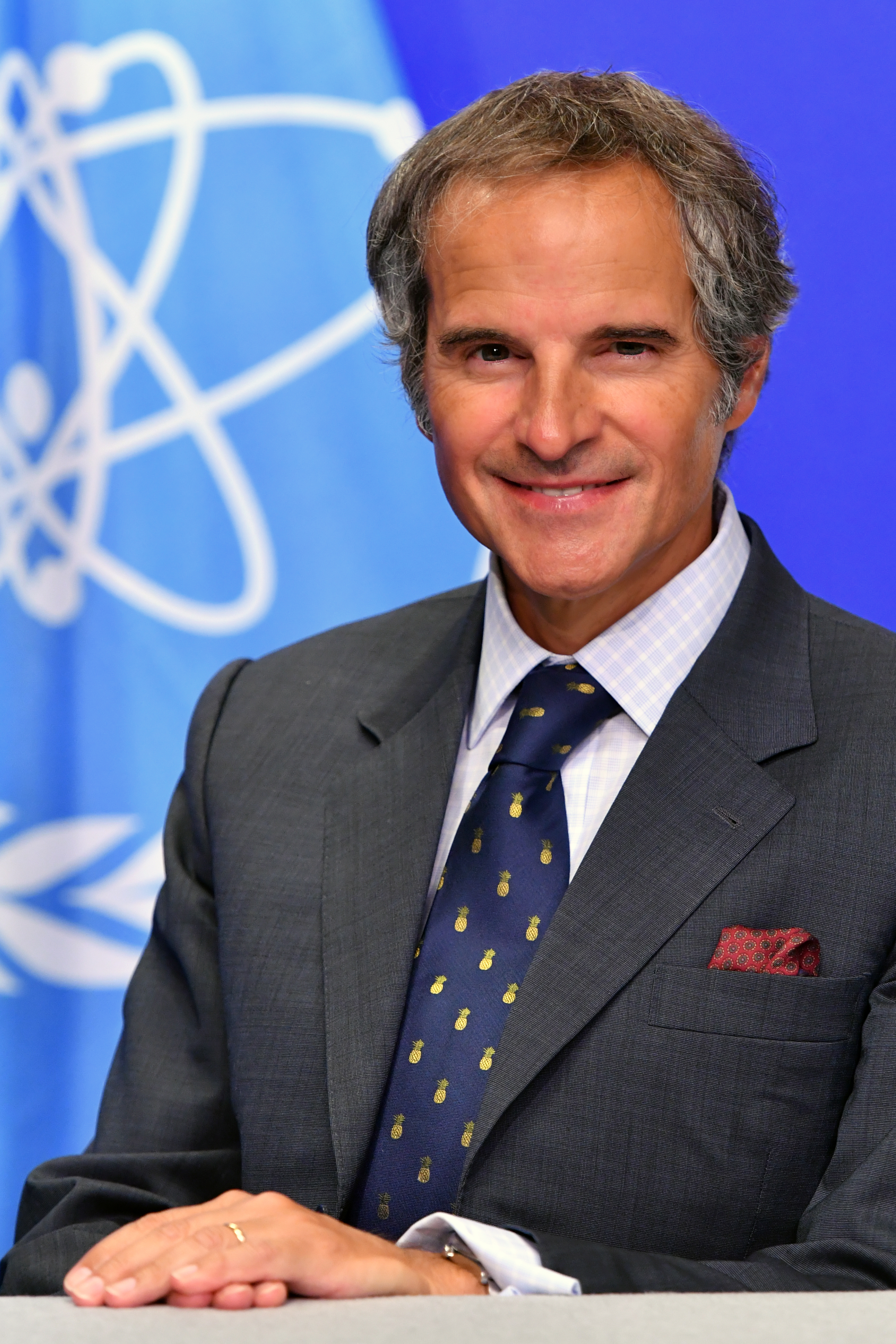 Dean Calma / IAEA Public Information
Key Takeaways & Intelligence
- IAEA Director General Rafael Grossi calls for immediate access to inspect high-enrichment centrifuge cascades at Fordow and Natanz.
- The de-designation of veteran French and German inspectors has severely degraded the agency's real-time verification continuity.
- Diplomats from the E3 coalition (UK, France, Germany) are preparing formal censure resolutions as uranium stockpiles enriched to 60% continue expanding.
Behind closed doors at the Vienna International Centre overlooking the Danube, technical diplomats and nuclear non-proliferation experts have engaged in intense, high-stakes deliberations over the deteriorating oversight of Iran’s atomic program.
Addressing the 35-nation Board of Governors, International Atomic Energy Agency (IAEA) Director General Rafael Mariano Grossi delivered an unvarnished warning: the international community’s ability to verify the peaceful nature of nuclear operations across the Middle East is facing its most severe crisis since the breakdown of the 2015 Joint Comprehensive Plan of Action (JCPOA).
The Inspector De-Designation Impasse
The immediate technical catalyst for the Vienna confrontation centers on Tehran’s decision to revoke the accreditation of roughly one-third of the agency’s most experienced inspectors—predominantly veteran French and German specialists possessing deep institutional expertise in advanced uranium centrifuge cascade operation and nuclear material accountancy.
The Iranian delegation to the IAEA, led by Ambassador Mohsen Naziri Asl, has defended the de-designation as a lawful exercise of sovereign rights under Article 9 of the Comprehensive Safeguards Agreement, citing European political hostility and ongoing economic sanctions.
“The de-designation of our most experienced inspectors was a severe blow to our technical capabilities,” Grossi stated firmly in Vienna. “These individuals possess years of specialized knowledge regarding specific enrichment cascades. Replacing them with junior personnel breaks the continuity of technical knowledge and undermines the integrity of the entire global safeguards architecture.”
The 60% Uranium Enrichment Threshold
Beyond diplomatic personnel credentials, the agency’s confidential quarterly safeguards reports distributed to member states outline alarming technical developments:
- Uranium Stockpile Accumulation: The quantity of uranium hexafluoride (UF6) gas enriched up to 60% purity—a short technical step away from weapons-grade 90% purity—has expanded steadily, sufficient in theoretical fissile volume for multiple nuclear devices if further processed.
- Advanced Centrifuge Cascades: Rapid deployment of IR-4 and IR-6 advanced centrifuge cascades within the deeply buried underground Fuel Enrichment Plant at Fordow, designed to withstand conventional aerial bunker-buster munitions.
- Surveillance Gaps: Gaps in real-time surveillance camera coverage and online enrichment monitors, following the removal of non-safeguards monitoring hardware originally installed under the 2015 pact.
Geopolitical Escalation and the E3 Diplomatic Coalition
The diplomatic crisis in Vienna unfolds against a backdrop of unprecedented volatility across the wider Middle East. With direct missile strikes between regional adversaries and fragile ceasefire negotiations, the risk of miscalculation regarding nuclear breakout timelines is elevated.
The “E3” coalition—comprising the United Kingdom, France, and Germany—alongside the United States, is actively deliberating whether to table a binding, formal censure resolution against Tehran. Such a resolution could initiate a referral of the Iranian nuclear file back to the United Nations Security Council in New York, potentially triggering “snapback” multilateral sanctions mechanisms under UN Resolution 2231.
Tehran has explicitly warned that any formal censure in Vienna will be met with reciprocal technical countermeasures, including the installation of additional advanced centrifuges and the potential reconsideration of its adherence to the Nuclear Non-Proliferation Treaty (NPT) itself.
As technical delegations shuttle between European embassies and Vienna conference halls, the margins for a negotiated technical compromise are narrowing rapidly. What happens inside the IAEA’s deliberation rooms will dictate the trajectory of security architecture across the Middle East for the next decade.
Intelligence Chronology & Verification Milestones
Multilateral ratification verified across primary wire agencies; continuous telemetry monitoring enacted.
Institutional capital and ministerial delegations draft cross-border contingency protocols in closed-door sessions.
Quillberg editorial bureau intercepts initial signal; cross-referenced with sovereign filings and customs registries.