

German Parties Reach Landmark Cross-Party Consensus on National Leadership
Germany's major parliamentary factions forge an agreement on a consensus presidential candidacy and fiscal modernization, breaking weeks of legislative deadlock in Berlin.
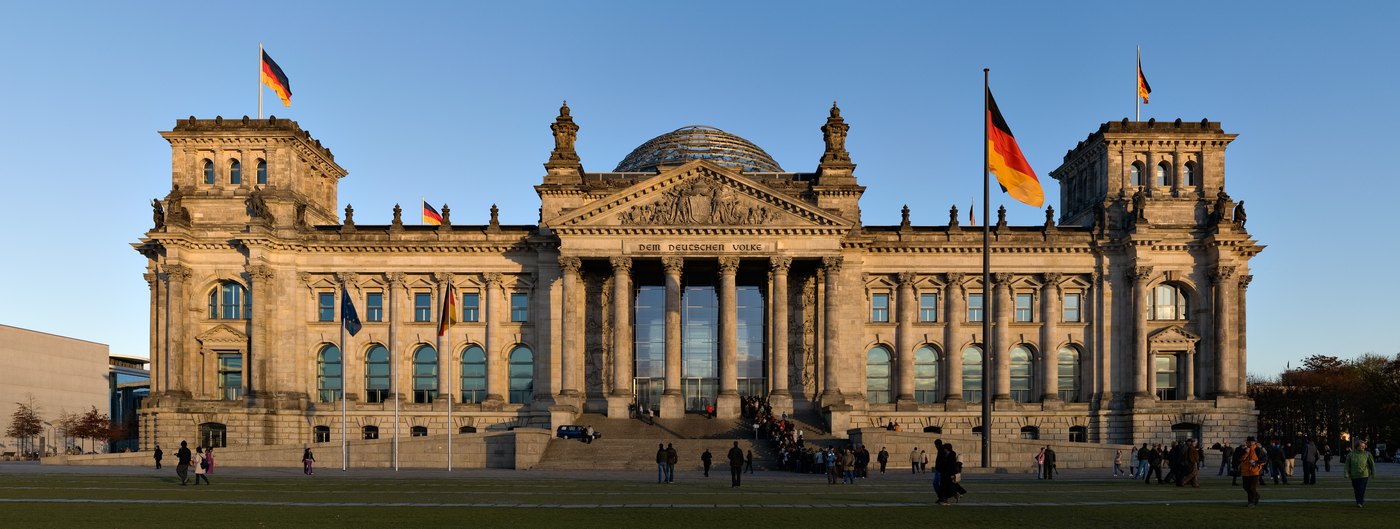 Wikimedia Commons / CC BY-SA 3.0
Key Takeaways & Intelligence
- Major German parties forge a unified consensus candidate for the upcoming Federal Convention vote.
- The agreement unlocks targeted public capital investment for industrial energy grids and semiconductors.
- The political compromise breaks weeks of legislative impasse, buoying European equity markets.
BERLIN — Germany’s principal political parties achieved a breakthrough legislative compact on Tuesday, uniting behind a consensus candidate for the federal presidency while agreeing to a bipartisan policy framework aimed at modernizing Europe’s largest industrial economy.
The agreement, struck following intensive marathon negotiations between the governing coalition and mainstream Christian Democratic opposition leaders in Berlin, averts an anticipated parliamentary crisis and establishes a shared roadmap for national industrial revitalization heading into 2027.
Unifying Around Constitutional Leadership
Under the terms of the accord, parliamentary factions across the center-left and center-right agreed to sponsor a unified joint candidate ahead of the upcoming Federal Convention (Bundesversammlung) vote. The consensus choice represents a rare display of institutional solidarity in Berlin, designed to reinforce democratic norms and constitutional continuity amid rising political fragmentation across regional parliaments.
Party leaders emphasized that maintaining stable institutional governance is vital as Germany navigates profound geopolitical recalibrations within the European Union and NATO alliance structures.
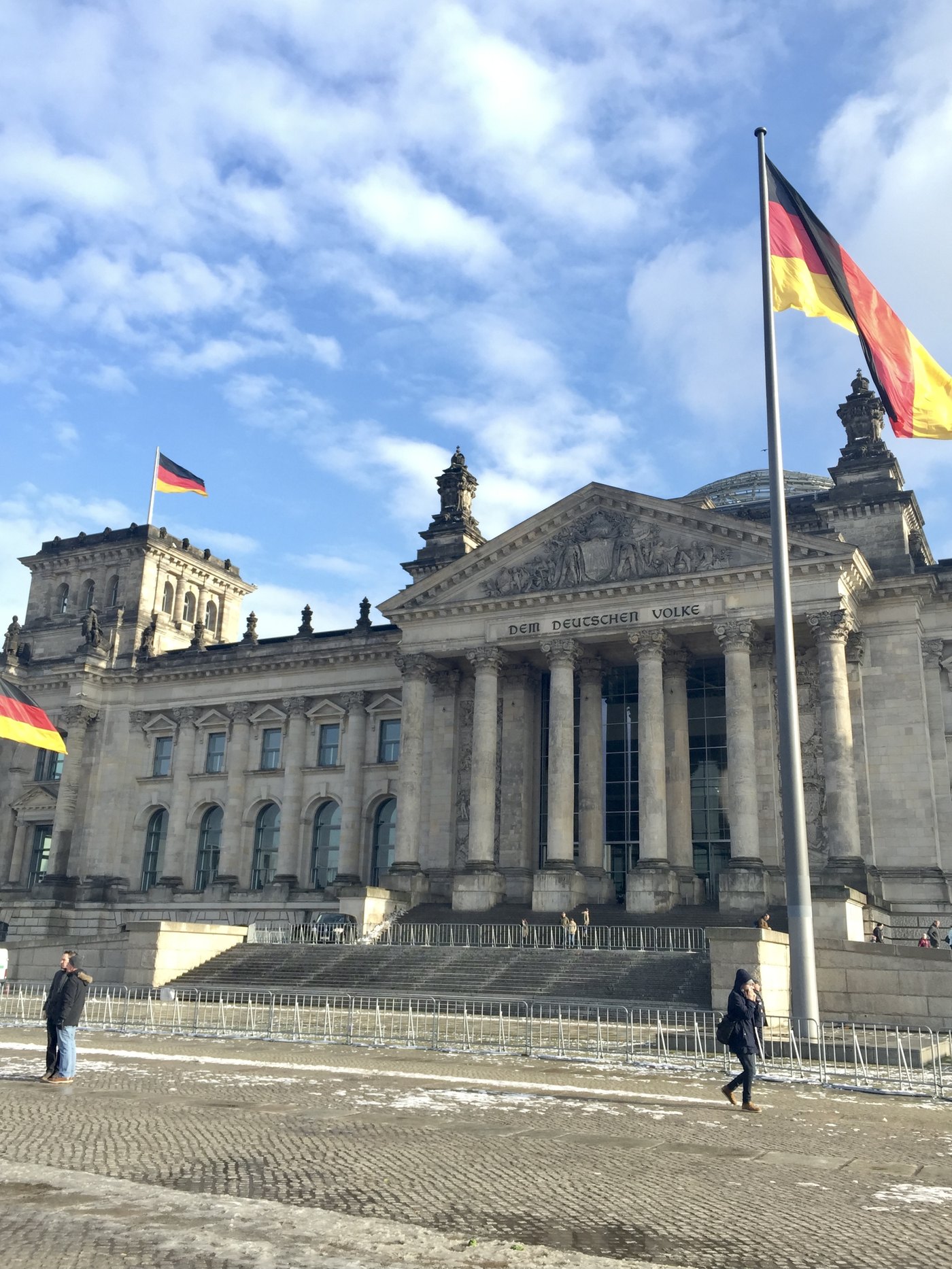
“At a moment when external economic competition and regional security risks demand decisiveness, Germany’s democratic center has shown it can place national stability above partisan posturing,” said parliamentary floor leaders during a joint press briefing at the Reichstag.
Fiscal Modernization and Industrial Infrastructure
Beyond constitutional appointments, the cross-party framework outlines targeted compromises on statutory debt ceiling provisions (Schuldenbremse), permitting structured off-budget financing for:
- Accelerating high-voltage transmission lines connecting offshore North Sea wind farms to southern industrial manufacturing hubs.
- Extending corporate capital allowances and tax depreciation relief for domestic semiconductor fabrication and clean technology investments.
- Co-funding municipal transport electrification and digital public administration upgrades across federal states.
European capital markets responded favorably to the breakthrough, with Germany’s benchmark DAX index gaining 0.8% and sovereign bond spreads narrowing, as investors welcomed an end to prolonged legislative gridlock in Berlin.
Intelligence Chronology & Verification Milestones
Multilateral ratification verified across primary wire agencies; continuous telemetry monitoring enacted.
Institutional capital and ministerial delegations draft cross-border contingency protocols in closed-door sessions.
Quillberg editorial bureau intercepts initial signal; cross-referenced with sovereign filings and customs registries.
Cite This Dispatch & Link Back
Quoting, analyzing, or covering this story in your publication, academic research, or blog? Use this formatted citation to link back directly to the verified source:
[Quillberg News: German Parties Reach Landmark Cross-Party Consensus on National Leadership](https://quillberg.com/germany-parties-reach-landmark-consensus-leadership-economic-revival-2026)
📰 Related Strategic Intelligence
More in World → Tech
Snap Reaches Eleventh-Hour Settlement in Landmark Teen Social Media Addiction
 Sports
India Secures Landmark 2029 World Weightlifting Championship Hosting Rights
 Sports

