

Central Banks Face Inflation Squeeze as Australia CPI Jumps
Global monetary policymakers confronted fresh inflation pressure Wednesday after Australia’s October consumer price index jumped to 4.9% year-on-year, reinforcing expectations that the Federal Reserve and Bank of Korea will tighten rates further in December.
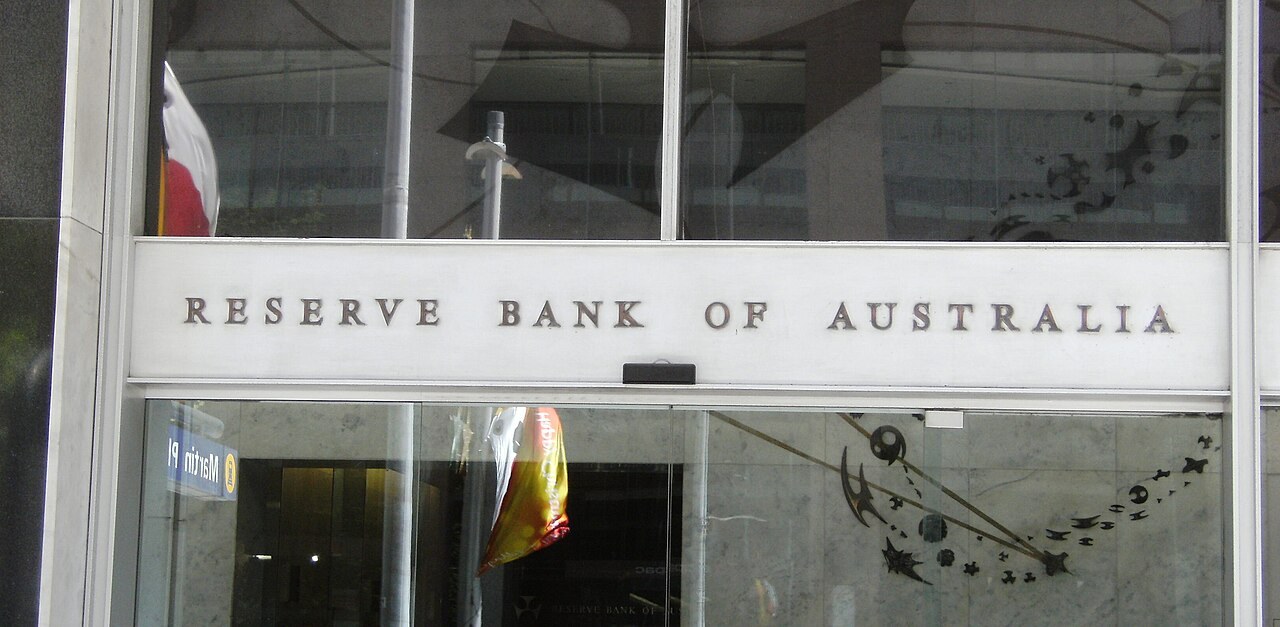 Wikimedia Commons / Public Domain
Key Takeaways & Intelligence
- Australia's annual consumer price inflation accelerated unexpectedly from 4.3% to 4.9% in October, fueled by housing (+6.4%) and electricity (+25.2%) spikes.
- Underlying trimmed mean inflation climbed to 3.8%, lifting the Australian dollar and dashing near-term expectations for Reserve Bank of Australia relief.
- Markets concurrently priced roughly 97% odds of a 25 bps Federal Reserve interest rate hike to 4.00%–4.25% at December's FOMC meeting, alongside a likely Bank of Korea hike to 3.25%.
- Fitch Ratings issued a 'neutral' 2027 sovereign outlook warning that sustained high borrowing costs and debt refinancing pose mounting fiscal risks.
SYDNEY & WASHINGTON — Global central banks confront a renewed inflation squeeze on Wednesday after Australia’s October consumer price index (CPI) unexpectedly jumped to 4.9%, rattling Asia-Pacific bond desks just as global traders locked in near-certain odds of another U.S. Federal Reserve rate hike in December.
Data published by the Australian Bureau of Statistics (ABS) revealed annual headline prices accelerated sharply from 4.3% in September to 4.9%—handily beating market forecasts around 4.7%. Even the Reserve Bank of Australia’s (RBA) closely watched trimmed mean gauge ticked higher to 3.8%.
Electricity Shock and Sticky Housing Costs
Analysts traced Australia’s unwelcome surge directly to stubborn domestic services, a 6.4% jump in housing costs, and a jarring 25.2% annual leap in household electricity prices as temporary government energy rebates rolled off across eastern states.
The hotter print propelled the Australian dollar sharply higher while wiping out dovish wagers that the RBA might loosen policy early next year. Across regional desks in Seoul, a Reuters survey similarly underscored overwhelming conviction that the Bank of Korea will lift its benchmark policy rate by 25 basis points to 3.25% to defend currency stability and tame household leverage.
Fed Tightening and Fitch’s Debt Warning
In Washington, rate-futures pricing implies roughly a 97% probability that the Federal Open Market Committee will deliver a quarter-point lift to a 4.00%–4.25% target band when policymakers meet December 8–9, ahead of crucial U.S. third-quarter GDP and PCE inflation revisions—even as prominent investors such as Bill Ackman warn excessive tightening risks triggering an avoidable downturn.
Underscoring those sovereign stresses, Fitch Ratings unveiled its 2027 global sovereign outlook on Tuesday. While maintaining a “neutral” baseline centered around 2.5% global growth, Fitch cautioned that elevated real interest rates, record debt refinancing waves, and potential shocks across over-leveraged AI equities remain urgent vulnerabilities facing finance ministries worldwide.
📰 Related Strategic Intelligence
More in Economy → Economy
Global Central Banks Confront Sovereign Debt and Fiscal Dominance
 Business
ASEAN Central Banks Interconnect Real-Time Payment and Treasury Rails
 Business

