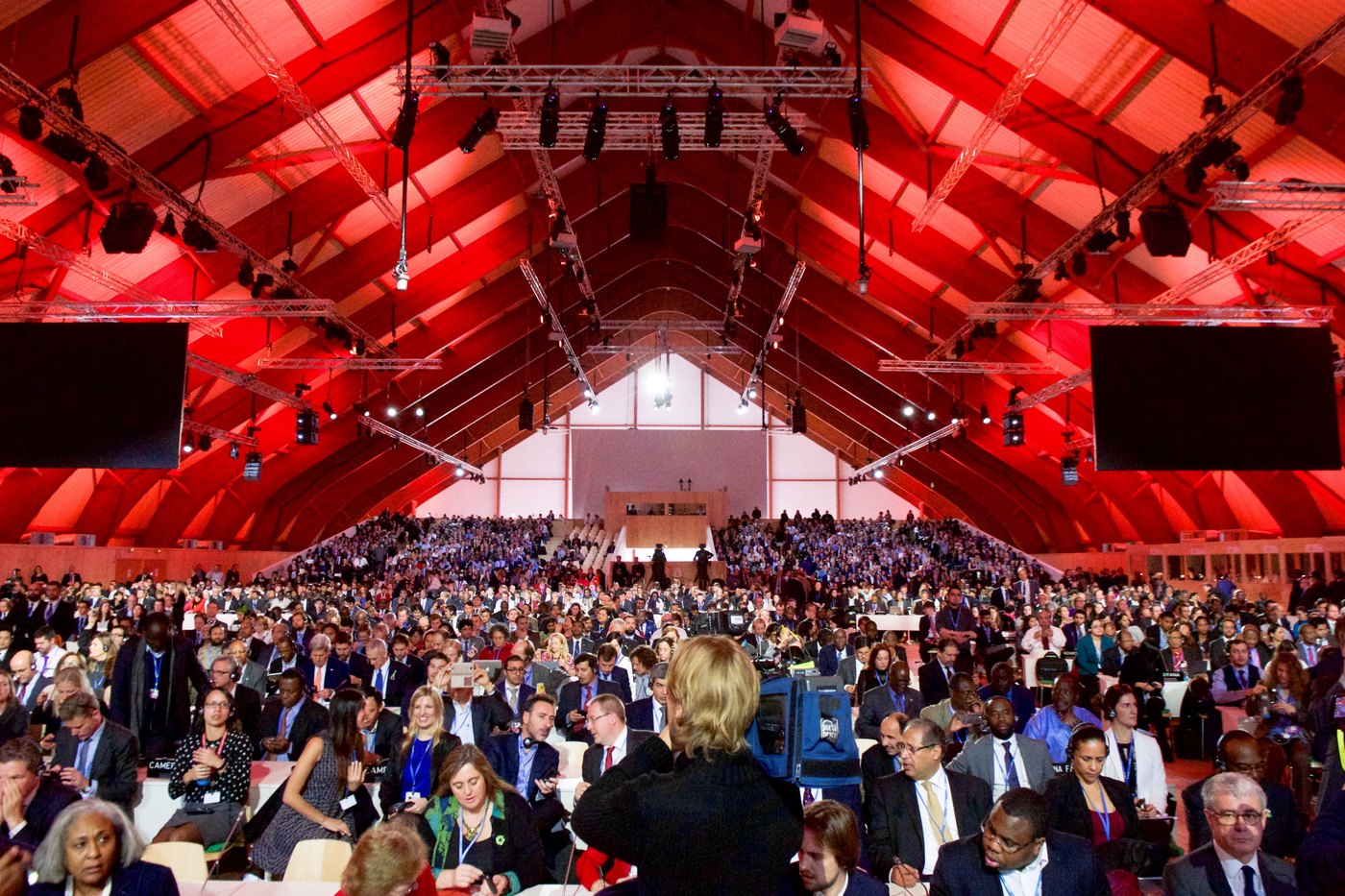
Global Climate Summit Stalls as Nations Clash Over Binding Fossil Fuel Phaseout
International climate negotiations reached an acrimonious deadlock after participating countries failed to agree on binding treaty text regarding the phaseout of fossil fuels. Deep divisions between oil-exporting nations and vulnerable island states forced the summit into indefinite overtime without a consensus accord.
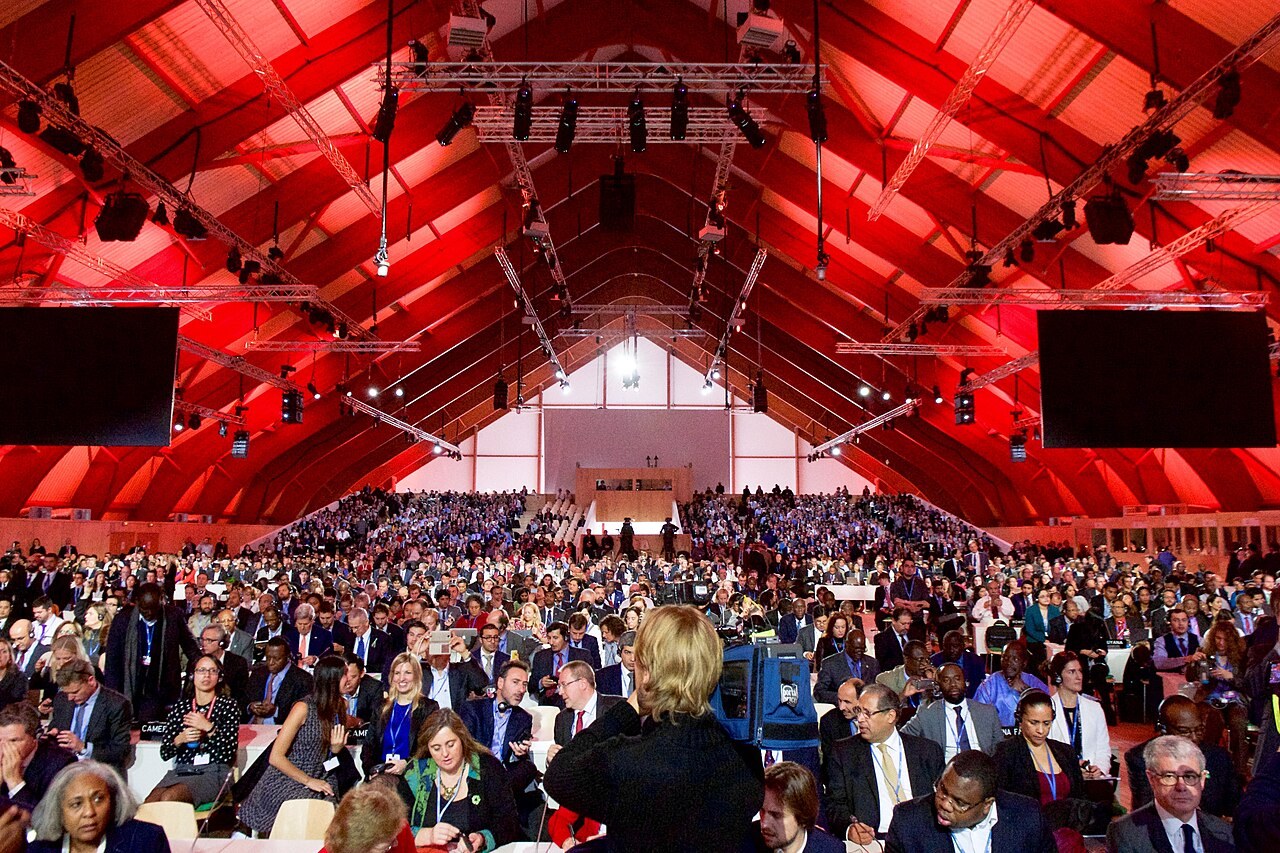 UN Climate Change / Flickr / CC BY 2.0
Key Takeaways & Intelligence
- Global climate talks broke down after petrostates rejected draft texts mandating an explicit, binding exit from fossil fuels by 2040.
- Small island nations and European negotiators refused to sign a watered-down declaration lacking enforceable emissions targets.
- Disputes over a $300 billion annual climate adaptation fund for developing economies exacerbated the negotiating stalemate.
- Summit presidency suspended plenary sessions indefinitely, plunging international environmental diplomacy into uncertainty.
GENEVA — High-stakes international climate negotiations descended into disarray on Monday after two weeks of contentious deliberations collapsed without an agreement, as deep fractures between fossil fuel-producing states and climate-vulnerable nations derailed efforts to draft a landmark multilateral pact.
The impasse crystallized around the draft treaty’s operational wording on global energy decarbonization. A coalition of European nations, small island developing states, and Latin American governments insisted on legally binding language mandating a rapid, phased transition away from coal, oil, and natural gas.
However, an entrenched bloc of major oil and gas exporting nations, backed by emerging industrial economies demanding unconstrained transition timelines, successfully blocked the language, proposing non-binding aspirational verbiage that critics condemned as an environmental abdication.
“We came to this summit expecting courage, but we are being offered empty platitudes that sign the death warrant of our atolls,” said Tina Stege, climate envoy for the Pacific island coalition, in an impassioned plenary intervention that drew standing applause from civil society observers. “We cannot accept a consensus built on denial.”
Compounding the ideological rift, talks over a proposed $300 billion annual climate adaptation financing facility broke down when donor economies declined to formalize binding statutory contributions, urging private market mobilization instead.
With the scheduled deadline long elapsed and delegations unwilling to compromise on foundational red lines, the summit presidency announced an indefinite suspension of plenary proceedings, casting a dark cloud over the multilateral climate architecture heading into 2027.