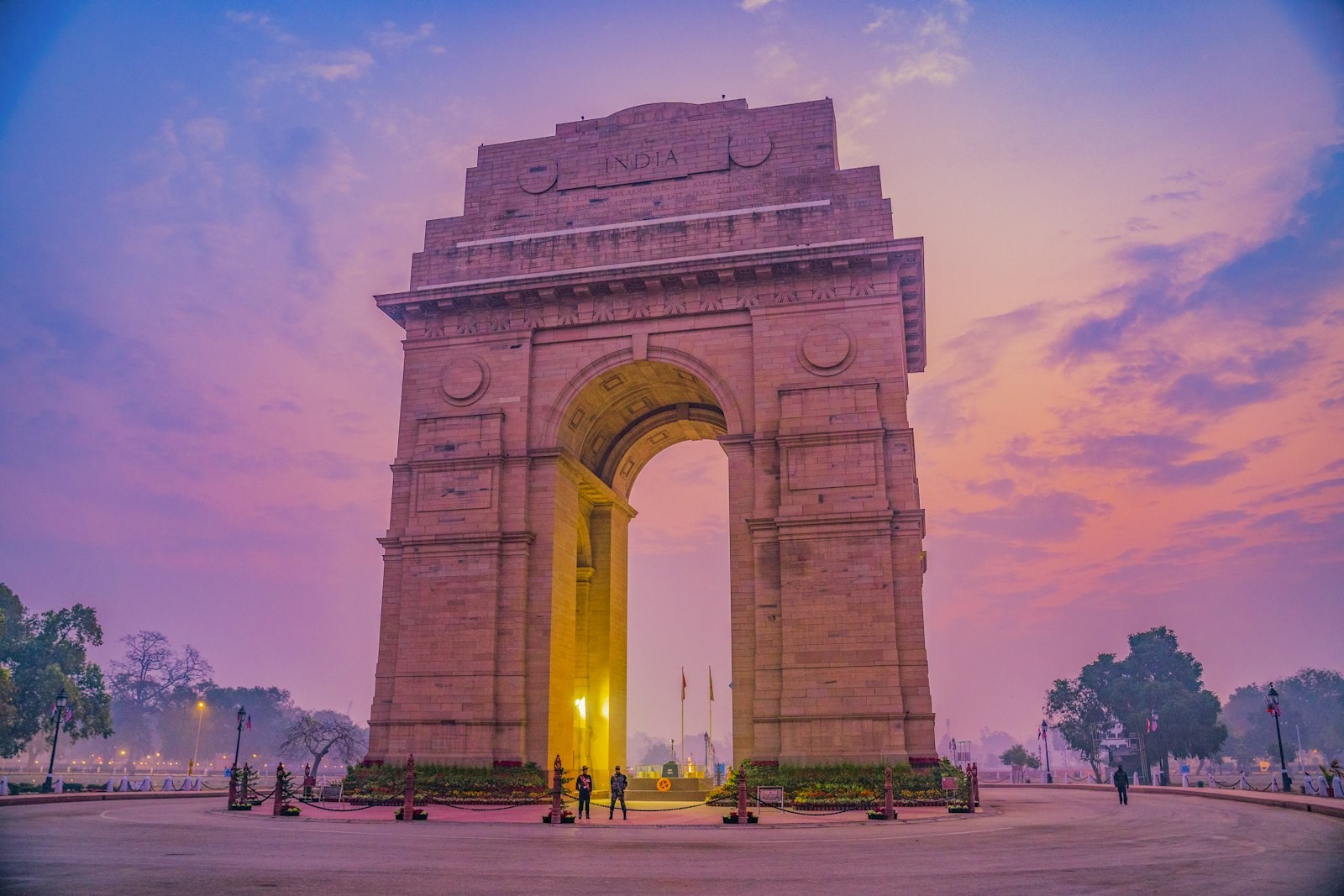
Nepal Cabinet Formally Approves PM Balen Shah's Delhi State Visit
Kathmandu finalizes a high-level technical and economic delegation for the November 22-23 bilateral summit with Indian PM Narendra Modi, prioritizing air entry routes and post-flood reconstruction.
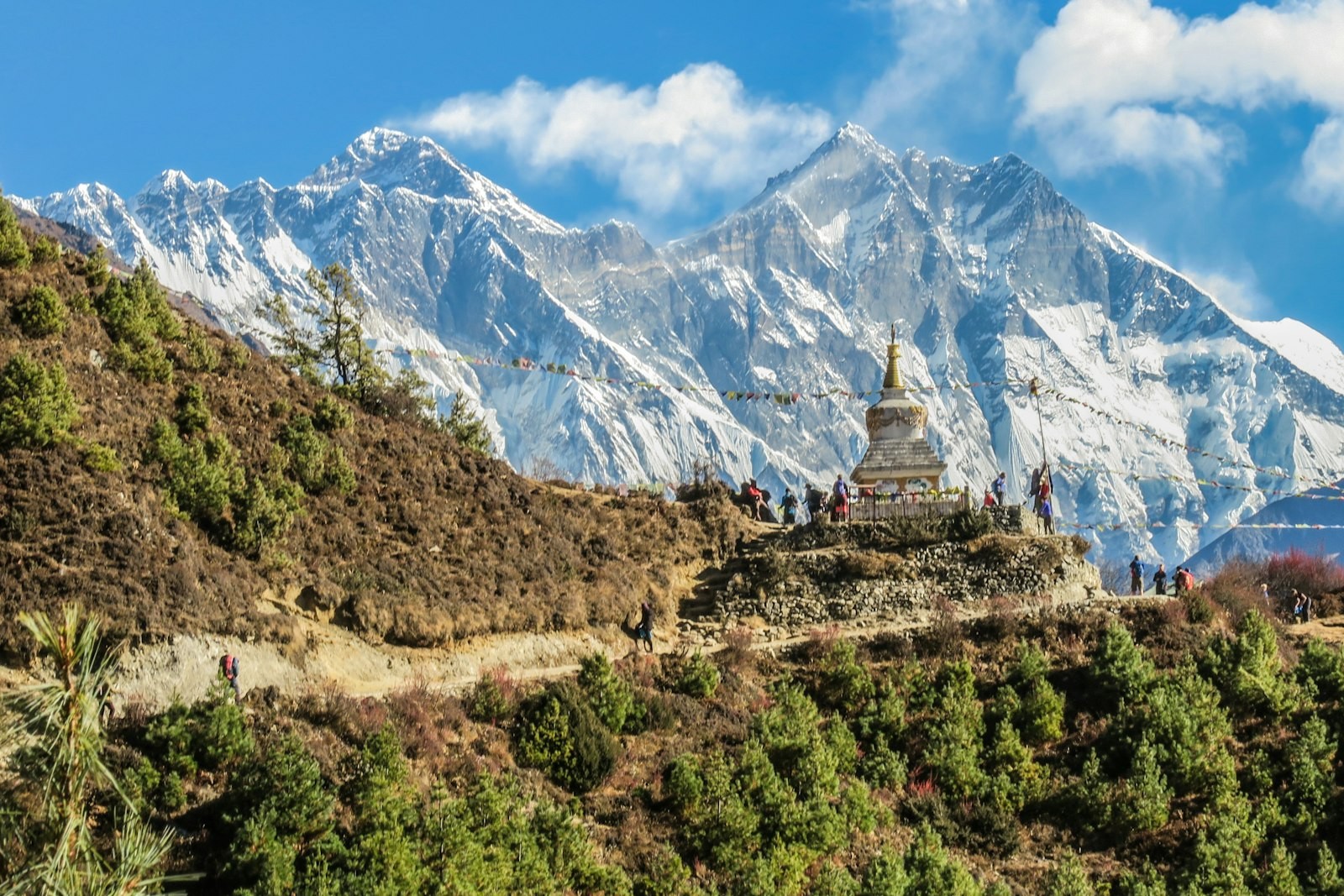 Office of the Prime Minister and Council of Ministers (OPMCM), Nepal
Key Takeaways & Intelligence
- The Council of Ministers formally ratified Prime Minister Balen Shah's official delegation for his maiden visit to India on November 22-23, 2026.
- The 18-member official team includes Foreign Minister Arzu Rana Deuba, Finance Minister, Energy Secretary, and CAAN technical experts.
- The bilateral dossier prioritizes securing two-way high-altitude air entry routes via Mahendranagar and Nepalgunj to unlock Bhairahawa and Pokhara airports.
- Kathmandu will officially table a request for a $2 billion combined grant and concessional facility for post-monsoon infrastructure reconstruction.
- India's Ministry of External Affairs officially welcomed the upcoming visit, confirming ceremonial honors and a restricted 30-minute one-on-one meeting at Hyderabad House.
KATHMANDU / NEW DELHI — In a major step toward finalizing preparations for the most consequential bilateral diplomatic engagement of the year, Nepal’s Council of Ministers, chaired by Prime Minister Balen Shah, convened an extraordinary cabinet meeting at Singha Durbar on Wednesday evening, formally approving the official delegation and strategic negotiating mandate for the Prime Minister’s maiden state visit to India on November 22–23, 2026.
The cabinet’s formal endorsement establishes broad national consensus behind Prime Minister Shah’s upcoming summit with Indian Prime Minister Narendra Modi at New Delhi’s historic Hyderabad House.
Shortly after the cabinet decision was announced in Kathmandu, India’s Ministry of External Affairs (MEA) released an official statement welcoming Prime Minister Shah, confirming that the visit will feature ceremonial honors at the forecourt of Rashtrapati Bhavan, high-level delegation talks, and an exclusive 30-minute private one-on-one session between the two leaders without ministerial aides.
A Lean, Technocratic Delegation
Reflecting Prime Minister Shah’s distinct governance style—often characterized by engineering precision rather than traditional political entourages—the cabinet approved an unusually focused, 18-member official delegation composed of technical and economic specialists:
- Executive Leadership: Prime Minister Balen Shah.
- Diplomatic & Financial Leads: Minister for Foreign Affairs Dr. Arzu Rana Deuba, the Finance Minister, and the National Planning Commission Vice-Chairman.
- Technical Infrastructure Heads: Secretary of the Ministry of Energy, Water Resources and Irrigation; Director General of the Civil Aviation Authority of Nepal (CAAN) Pradeep Adhikari; and senior officials from the Ministry of Physical Infrastructure and Transport.
“Prime Minister Balen Shah is traveling to New Delhi not for ceremonial pleasantries, but with concrete, meticulously modeled economic agendas designed to unlock Nepal’s infrastructural potential,” Government Spokesperson and Minister for Information remarked during the post-cabinet press briefing.
1. The Four Pillar Negotiating Dossier
The cabinet-approved mandate directs the Nepalese delegation to focus negotiations around four vital national priorities:
- Western Air Entry Corridors: Securing formal technical authorization for commercial airliners to enter Nepalese airspace via Mahendranagar and Nepalgunj, breaking the historical southern Simara bottleneck and ensuring the commercial viability of Gautam Buddha International Airport (GBIA) in Bhairahawa and Pokhara Regional International Airport (PRIA).
- $2 Billion Post-Flood Reconstruction Facility: Negotiating a comprehensive package combining direct disaster grants and concessional lines of credit to rebuild destroyed highway bridges, trade dry ports, and hydropower assets along the northern transit corridors damaged by recent monsoon floods.
- Power Trade Agreement & Pancheshwar DPR: Finalizing the revised Detailed Project Report (DPR) for the 6,480 MW Pancheshwar Multipurpose Project and securing expanded long-term Indian grid access for Nepal’s surplus clean hydroelectricity exports.
- Cross-Border Rail & Digital Customs Integration: Accelerating the expansion of the Janakpur-Ayodhya passenger rail corridor and operationalizing synchronized digital customs clearance systems along major border checkpoints.
| Delegation Dimension | Official Specification of Balen Shah’s India Visit |
|---|---|
| Official Event | State Visit of Prime Minister Balen Shah to the Republic of India |
| Approved Dates | Saturday, November 22 – Sunday, November 23, 2026 (25-Hour Official Mission) |
| Host Venue | Hyderabad House, New Delhi (Summit Talks & Working Banquet) |
| Core Delegation Size | 18 Official Members (Cabinet Ministers, Technical Secretaries, Aviation Leads) |
| Key Meeting Format | 30-Minute Restricted One-on-One Session (Modi-Balen) + Bilateral Plenary |
| Primary Economic Goals | Western Air Routes (Mahendranagar/Nepalgunj) • $2B Reconstruction Package • Energy Export Expansion |
| Diplomatic Reception | Ceremonial Guard of Honor at Rashtrapati Bhavan, Call on President Droupadi Murmu |
2. High-Level Diplomatic Alignment Between Kathmandu and New Delhi
Diplomatic sources in both capitals emphasize that weeks of meticulous quiet diplomacy—conducted through Indian Foreign Secretary Vikram Misri’s preparatory consultations in Kathmandu and regular back-channel talks—have paved the way for tangible bilateral breakthroughs.
“India places the highest priority on its enduring civilizational and economic partnership with Nepal,” the Indian Ministry of External Affairs affirmed in its formal dispatch. “We look forward to welcoming Prime Minister Balen Shah to New Delhi to impart fresh momentum to our shared connectivity, clean energy, and people-to-people initiatives.”
With the cabinet’s unanimous stamp of approval, Prime Minister Balen Shah heads to New Delhi with unprecedented domestic backing, poised to transform long-standing connectivity bottlenecks into a new era of mutually beneficial South Asian cooperation.
Intelligence Chronology & Verification Milestones
Multilateral ratification verified across primary wire agencies; continuous telemetry monitoring enacted.
Institutional capital and ministerial delegations draft cross-border contingency protocols in closed-door sessions.
Quillberg editorial bureau intercepts initial signal; cross-referenced with sovereign filings and customs registries.
Cite This Dispatch & Link Back
Quoting, analyzing, or covering this story in your publication, academic research, or blog? Use this formatted citation to link back directly to the verified source:
[Quillberg News: Nepal Cabinet Formally Approves PM Balen Shah's Delhi State Visit](https://quillberg.com/nepal-cabinet-approves-pm-balen-shah-delhi-visit-delegation-agenda-2026)