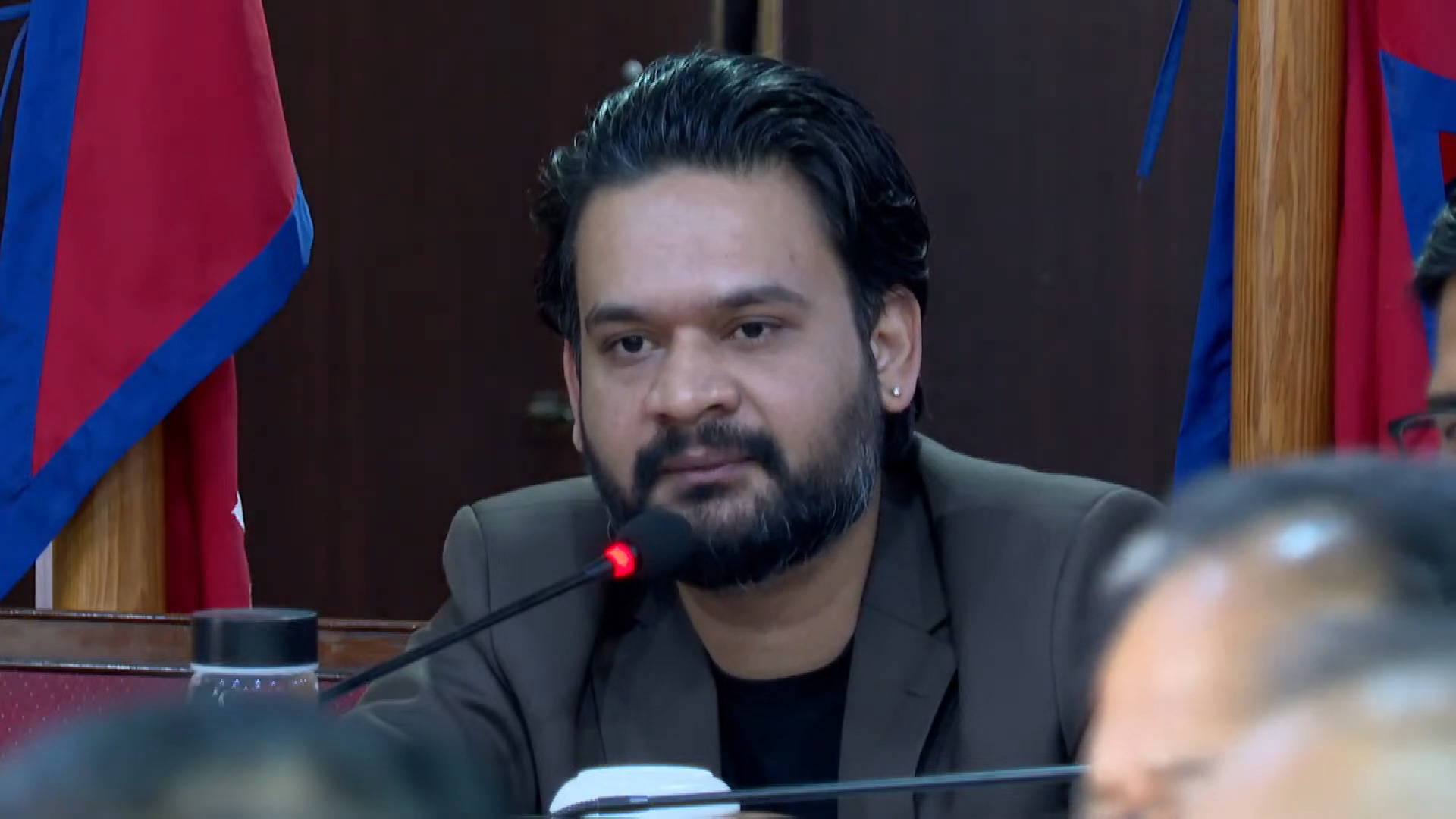
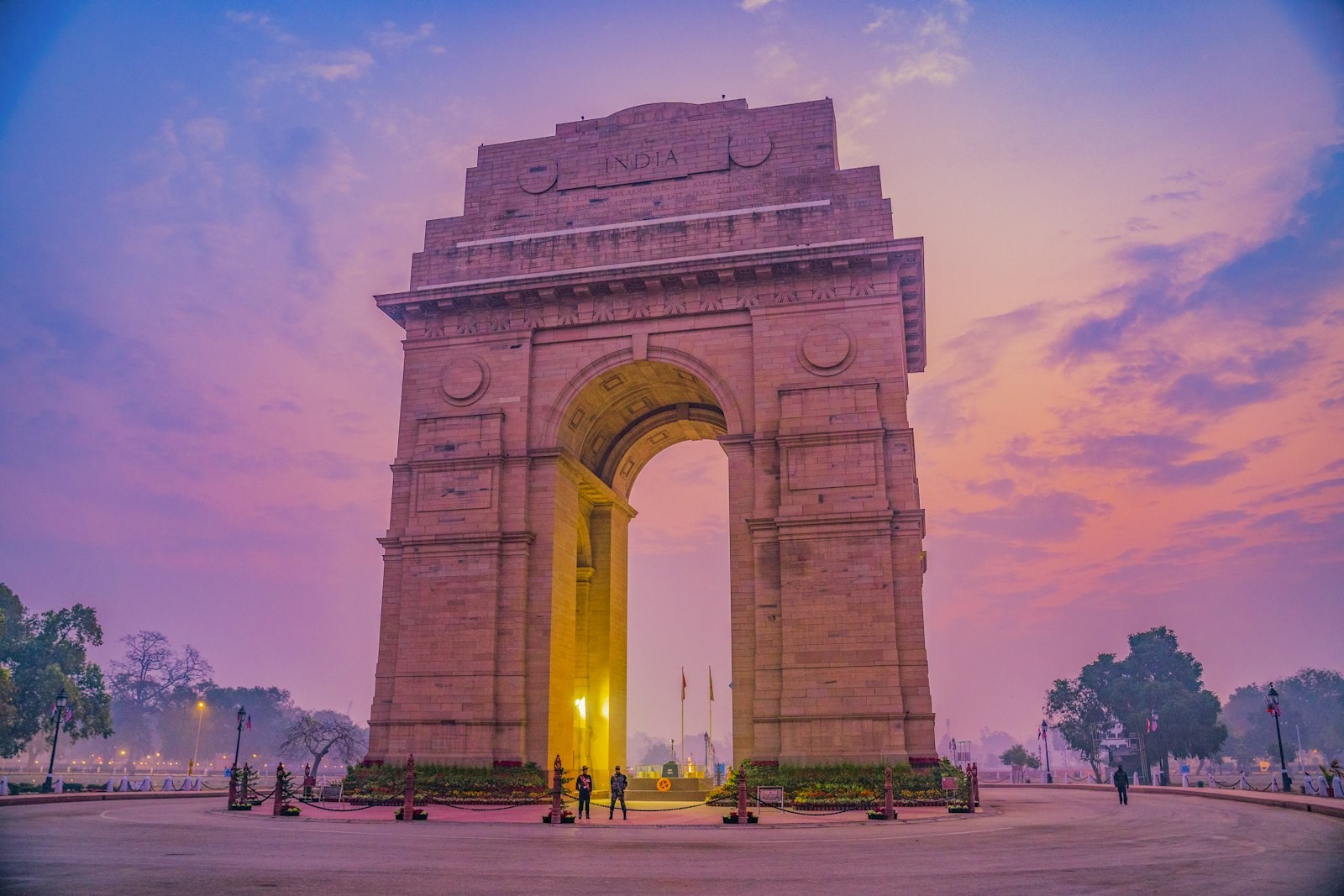
Balen Shah and Modi Flag Off Ayodhya-Janakpur Rail Link in Historic Delhi Summit
Nepal Prime Minister Balen Shah and Indian Premier Narendra Modi inaugurated the cross-border Saryu-Kamala Express and finalized eight bilateral pacts during landmark talks in New Delhi. The leaders unveiled plans for an offshore Indian Institute of Technology campus in Nepal alongside deepened energy and cross-border connectivity agreements.
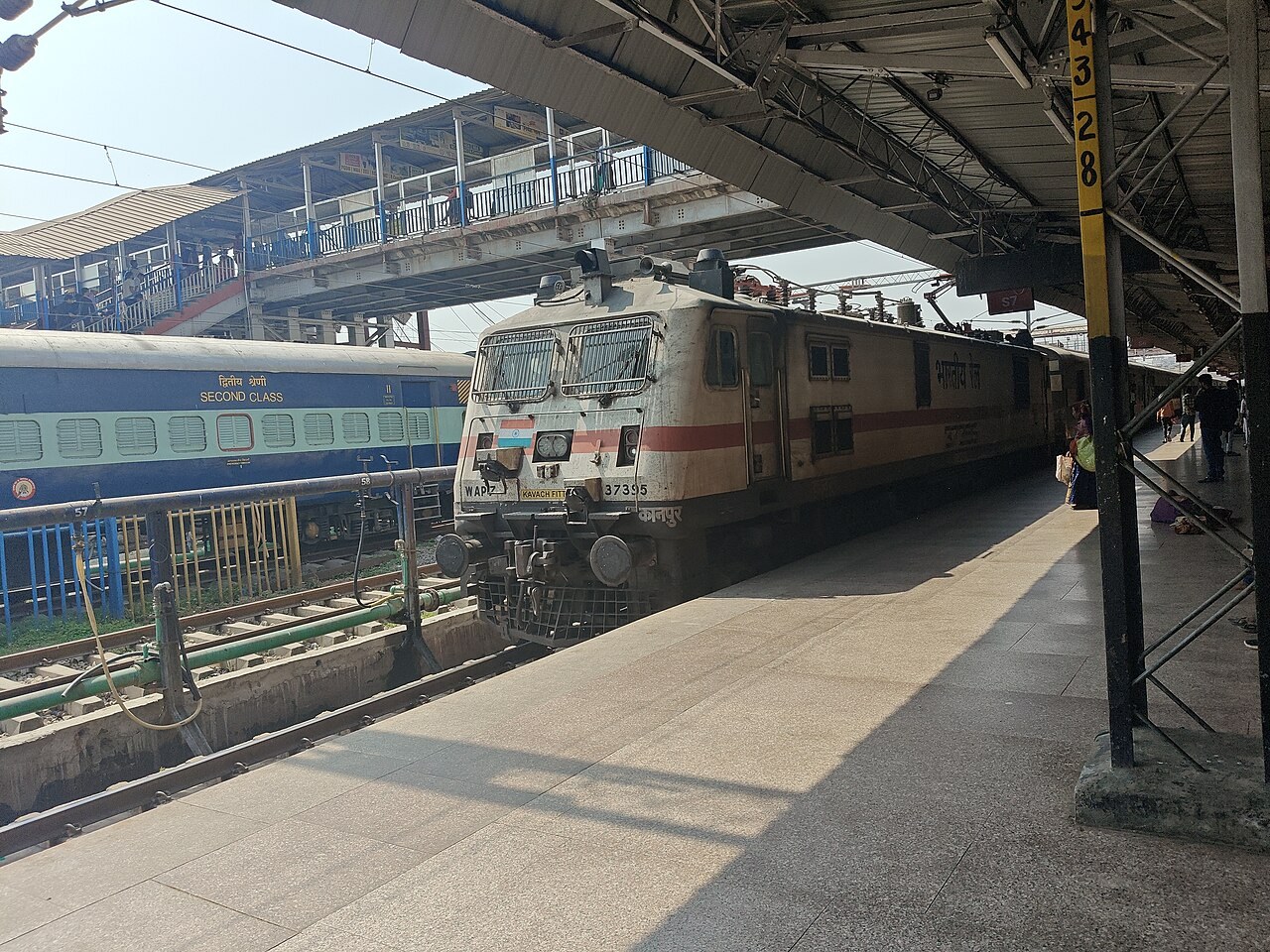 Indian Railways / Ministry of Railways / CC BY 4.0
Key Takeaways & Intelligence
- Prime Minister Balen Shah and PM Narendra Modi flagged off the Saryu-Kamala Express, directly linking Ayodhya with Janakpur.
- The two nations ratified eight comprehensive bilateral agreements covering clean energy transmission, transit treaties, and digital payments.
- India confirmed the establishment of an offshore Indian Institute of Technology (IIT) campus in Nepal to foster engineering talent.
- Prime Minister Modi emphasized deep cultural bonds during the joint press conference, stating that 'without Nepal, our Lord Ram remains incomplete.'
NEW DELHI — In a diplomatic engagement marked by profound cultural resonance and sweeping strategic breakthroughs, Nepal’s Prime Minister Balendra Shah and Indian Prime Minister Narendra Modi concluded comprehensive bilateral discussions at Hyderabad House on Monday, inaugurating the high-profile Saryu-Kamala Express connecting Ayodhya and Janakpur.
The ceremonial flagging-off of the cross-border express passenger rail service represents a pivotal enhancement in subcontinental connectivity, linking the revered Hindu spiritual epicenters of Ayodhya in Uttar Pradesh and Janakpur in Nepal’s Madhesh province. Both prime ministers monitored the inaugural departure via high-definition video link before leading bilateral delegations in signing eight landmark memoranda of understanding (MoUs).
“Our civilizational, cultural, and spiritual connection with Nepal is unique and unbreakable,” Prime Minister Modi remarked during the joint press conference. “Without Nepal, our Lord Ram remains incomplete. Today’s launch of the Saryu-Kamala Express not only revives historic pilgrim trails but establishes modern economic arteries that will empower our youth, pilgrims, and commercial traders for generations to come.”
Among the most significant bilateral accords signed on Monday is a pact to establish India’s premier engineering institute, an offshore campus of the Indian Institute of Technology (IIT), in Nepal. The campus will offer state-of-the-art degree programs in artificial intelligence, civil engineering, robotics, and hydrology, financed through joint developmental assistance.
Prime Minister Balen Shah, whose state visit has drawn unprecedented international and regional media attention, emphasized that mutual respect, transparent institutional engagement, and tangible infrastructural delivery define the new chapter of Nepal-India relations.
“Nepal and India share centuries of geography, culture, and economic synergy, but modern governance requires forward-looking infrastructure,” Prime Minister Balen Shah stated. “The Saryu-Kamala Express, the realization of simplified air entry routes via Simara, and the institutionalization of an IIT campus in Nepal demonstrate that our bilateral cooperation is delivering direct, transformative benefits to the citizens of both nations.”
The comprehensive summit also finalized expanded cross-border electricity trading mechanisms, allowing Nepal to export up to 10,000 megawatts of surplus hydroelectricity to India and Bangladesh over the next decade. Commercial chambers in Birgunj, Raxaul, and Janakpur celebrated the railway launch with festive gatherings, anticipating immediate surges in regional tourism, logistics velocity, and cross-border commercial trade.