Saudi Air Defense Intercepts Multiple Cruise Missiles and Drones Targeting
Royal Saudi Air Defense Forces successfully neutralize a coordinated salvo of six cruise missiles and eleven long-range suicide drones fired from Yemen toward critical energy and civil corridors.
 Wikimedia Commons / CC BY-SA 4.0
Key Takeaways & Intelligence
- Royal Saudi Air Defense Forces intercept 6 cruise missiles and 11 drones launched from Yemen.
- Patriot and THAAD batteries achieved 100% interception rate over southern Riyadh and western approaches.
- Energy infrastructure operates normally as international leaders condemn the aerial escalation.
RIYADH — The Royal Saudi Air Defense Forces (RSADF) successfully intercepted and destroyed a coordinated salvo of six land-attack cruise missiles and eleven long-range attack drones launched from Yemen toward central and western Saudi Arabia early Wednesday morning, preventing any casualties or ground damage.
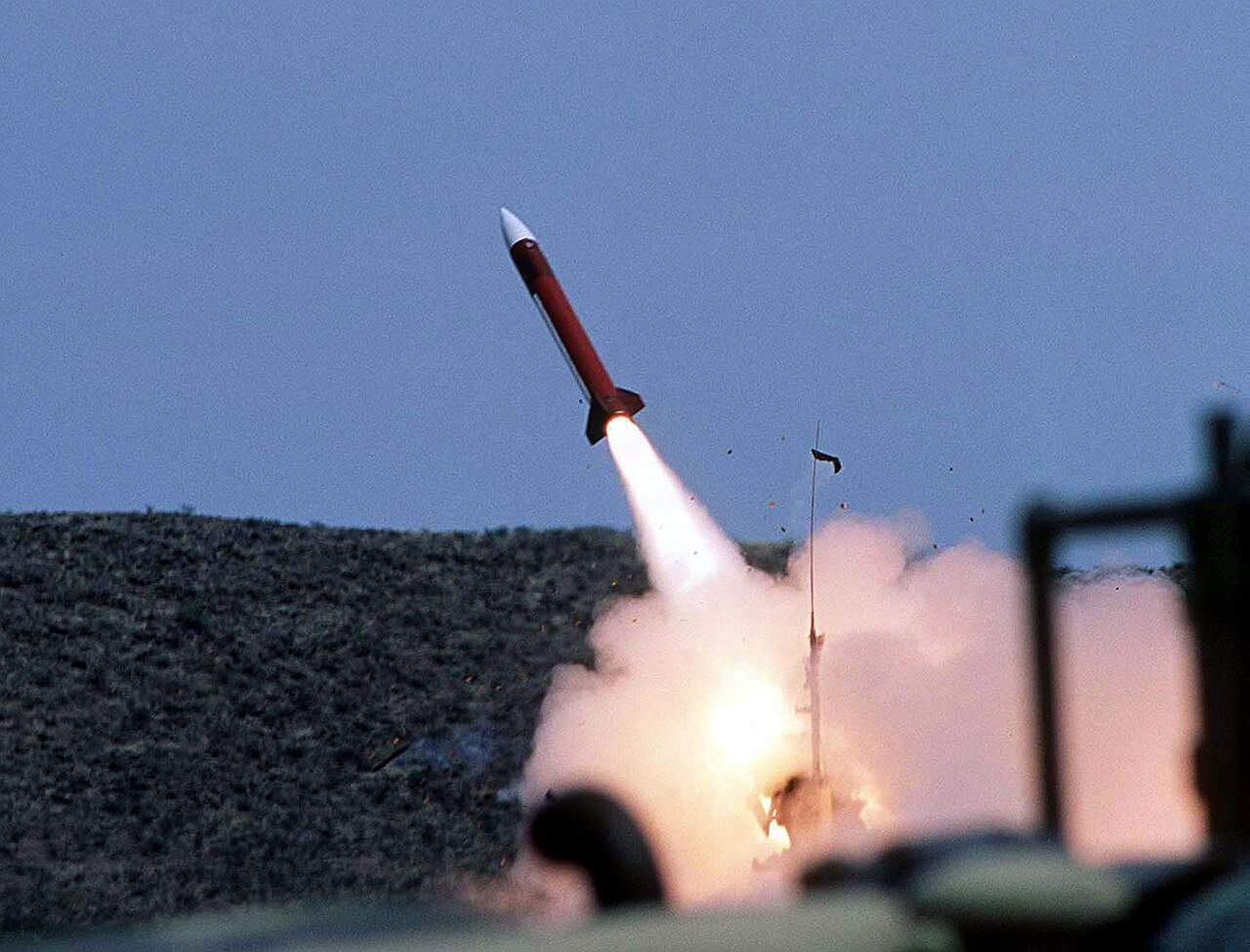
The interception sequence lit up dawn skies over the southern perimeter of Riyadh and the mountainous approaches to the western Hijaz corridor, where multi-layered MIM-104 Patriot PAC-3 and THAAD missile defense batteries engaged incoming aerial targets at high altitude.
Tactical Engagement and Interception Details
According to an operational statement released by the Saudi Ministry of Defense, early warning radar surveillance networks and airborne early warning aircraft (E-3A AWACS) detected the simultaneous launch from launch points inside northern Yemen at 04:15 local time.
The hostile projectile flight trajectories were assessed as targeting commercial aviation infrastructure, regional distribution hubs, and suburban administrative corridors. Saudi interceptor batteries achieved a 100 percent kinetic kill rate across all tracked tracks, with debris falling harmlessly into unpopulated desert terrain south of the capital and along empty scrubland near Taif.
“Our integrated air defense umbrella remains at maximum combat readiness across all operational sectors,” stated Brigadier General Turki Al-Maliki, spokesperson for the Coalition Forces. “The hostile attack constitutes a blatant violation of regional navigation safety and an unacceptable targeting of civilian population centers.”

Regional Strategic Implications
The attempted strike comes amid heightened diplomatic friction surrounding maritime security corridors in the Red Sea and Gulf of Aden, where commercial container traffic remains significantly diverted around the Cape of Good Hope.
Diplomatic leaders in Washington, London, and Paris immediately issued statements condemning the missile attack and reaffirming their defense commitments to Saudi territorial sovereignty. Oil markets reacted with temporary volatility, with Brent crude briefly spiking 1.8% to $82.40 per barrel before easing following confirmation that Saudi Aramco processing plants and domestic pipeline junctions operated without interruption.
Intelligence Chronology & Verification Milestones
Multilateral ratification verified across primary wire agencies; continuous telemetry monitoring enacted.
Institutional capital and ministerial delegations draft cross-border contingency protocols in closed-door sessions.
Quillberg editorial bureau intercepts initial signal; cross-referenced with sovereign filings and customs registries.
Cite This Dispatch & Link Back
Quoting, analyzing, or covering this story in your publication, academic research, or blog? Use this formatted citation to link back directly to the verified source:
[Quillberg News: Saudi Air Defense Intercepts Multiple Cruise Missiles and Drones Targeting](https://quillberg.com/saudi-air-defense-intercepts-houthi-cruise-missiles-riyadh-mecca-2026)