

Severe Storms Batter Britain: Consecutive Deluges Cut Power to 90,000 Homes
Twin atmospheric storm systems, Storms Boelo and Austen, have lashed the United Kingdom with gale-force winds and torrential rainfall. Over 90,000 properties across Northern England and Scotland remain without electricity as overflowing river basins submerge critical transit infrastructure.
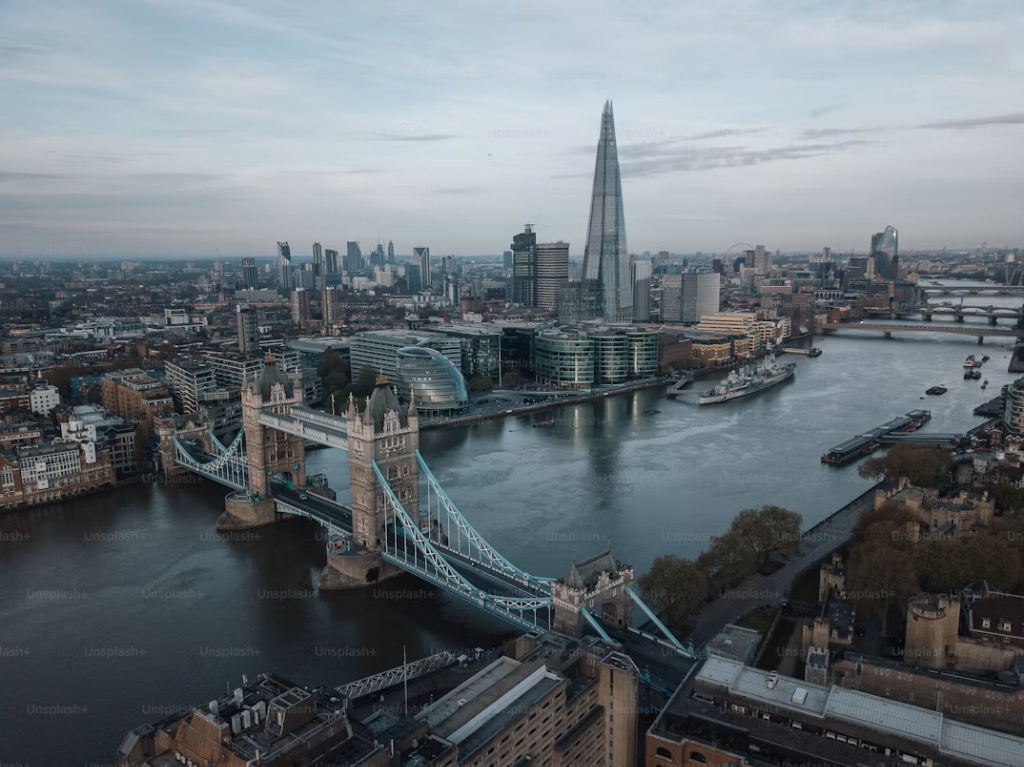 Unsplash / cphotos
Key Takeaways & Intelligence
- Storm Boelo and Storm Austen slammed the UK in rapid succession, generating peak gusts of 88mph and two months of rainfall in 36 hours.
- Northern Powergrid and Scottish Power confirm that over 90,000 residences experienced prolonged blackouts due to downed overhead transmission lines.
- The Environment Agency declared 48 Severe Flood Warnings representing imminent risk to life, while early infrastructure repair estimates exceed £450 million.
The United Kingdom is reeling from an extraordinary meteorological double-blow after two consecutive North Atlantic tempests—named Storm Boelo and Storm Austen—slammed into the British Isles within 48 hours, unleashing hurricane-force gusts and inundating historic river catchments.
By Monday afternoon, regional electricity distribution network operators reported that approximately 90,000 homes and commercial premises remained cut off from the national power grid across Cumbria, Northumberland, North Yorkshire, and the Scottish Borders.
According to bulletins broadcast by BBC News, emergency utility crews working alongside local flood rescue brigades have struggled against treacherous standing water and blocked arterial roads to deploy mobile diesel generators to isolated rural communities and elder-care facilities.
Destruction and Infrastructure Toll Across Key Sectors
The convergence of back-to-back storm fronts saturated soil profiles that had already reached peak winter holding capacity. When Storm Austen brought an additional 75 millimeters of relentless precipitation on top of Boelo’s debris field, river levels along the Eden, Severn, Ouse, and Tyne surged past historical high-water marks.
The following audited assessment synthesizes emergency coordination data released by local resilience forums and reported by The Guardian:
| Affected Sector / Public Utility | Geographic Footprint | Quantified Destruction & Service Disruption | Emergency Remediation Status |
|---|---|---|---|
| Grid Power & Utilities | Cumbria, Yorkshire, Scottish Borders | 90,000+ properties suffered total power loss; 42 primary substations compromised | Emergency crews restoring high-voltage lines |
| Rail Transport Grid | West Coast Main Line, TransPennine | 140+ service cancellations; major track bed ballast washouts north of Carlisle | 50mph speed restrictions; bus replacement shuttles |
| Aviation Hubs | Manchester, Edinburgh, Glasgow | 210 flights cancelled or diverted due to severe low-level wind shear | Ground-stop holds gradually lifting |
| River & Coastal Flooding | Eden, Severn, and Ouse catchment basins | 48 Severe Flood Warnings (Danger to Life); 1,200+ homes evacuated | Environment Agency demountable barriers erected |
| Municipal Economic Toll | Infrastructure, commercial property, crops | £350M to £500M ($450M–$650M) in estimated insured structural loss | Insurers activating emergency loss-adjuster triage |
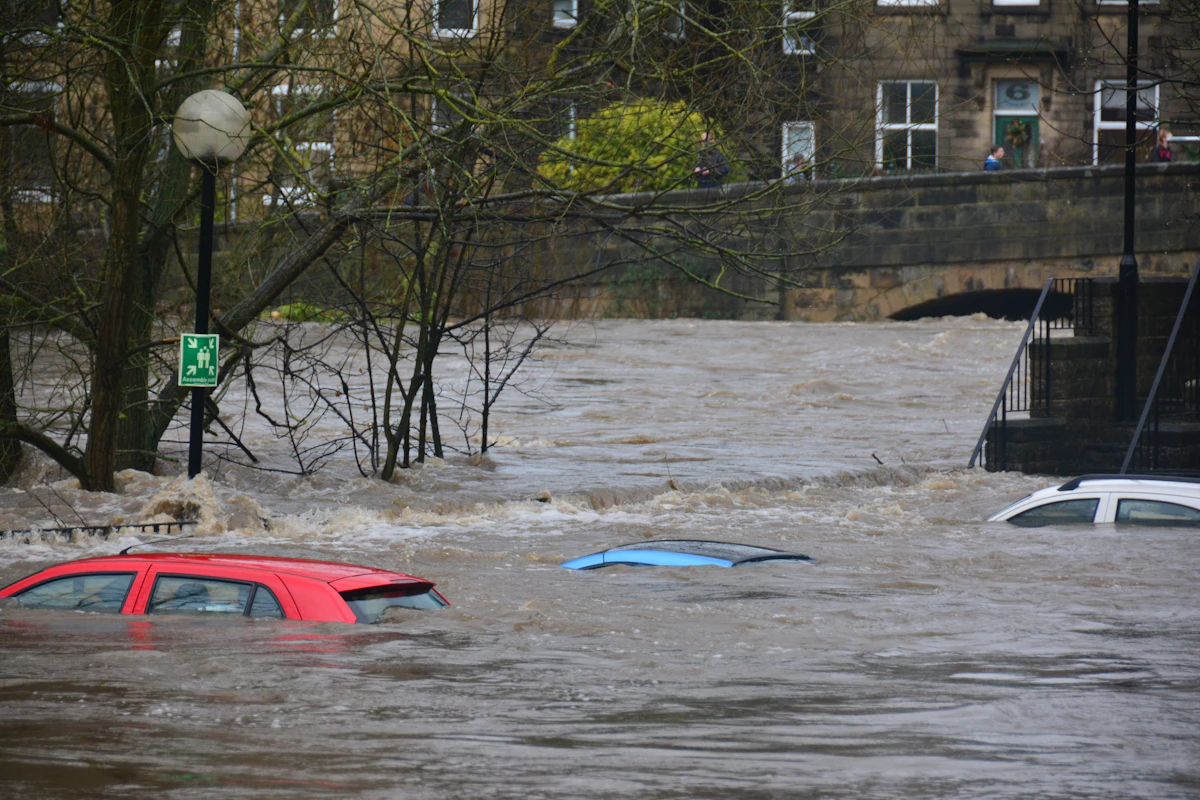
Emergency Responders Battle Rising Rivers
In market towns like Carlisle, Appleby, and Kendal, flood barriers deployed by the Environment Agency were tested to their absolute design limits. High-volume pumping teams worked through the night to siphon water out of town centers where floodwaters breached ground-floor retail shops.
Coverage in The Independent reported that Network Rail dispatched aerial drone survey teams and geotechnical engineers to inspect hillside cuttings and Victorian viaduct foundations along the rail corridors connecting London Euston to Glasgow. Several sections of track bed suffered ballast erosion, forcing authorities to mandate an indefinite suspension of high-speed passenger routes until structural stability is recertified.
“We are witnessing weather patterns of unprecedented frequency and intensity,” said Dr. Hannah Sterling of the Royal Meteorological Society. “When one atmospheric river event supercharges the ground and is immediately followed by a secondary cyclonic depression before floodwaters can drain into estuaries, our legacy drainage engineering is simply overwhelmed.”
Long-Term Climate Adaptation Under the Spotlight
The catastrophe has immediately refocused parliamentary scrutiny on the UK’s National Flood Resilience Framework. Downing Street announced an emergency allocation of £85 million in immediate council recovery grants to assist affected homeowners and repair critical bridges.
However, environmental advocacy groups and civil engineering federations argue that ad-hoc disaster relief fails to address the underlying reality of Atlantic storm tracks altered by warming ocean temperatures. With winter storms arriving with shorter recovery intervals, calls are intensifying for mandatory river re-meandering, expanded upstream peatland restoration, and structural updates to Britain’s century-old civil infrastructure.
Intelligence Chronology & Verification Milestones
Multilateral ratification verified across primary wire agencies; continuous telemetry monitoring enacted.
Institutional capital and ministerial delegations draft cross-border contingency protocols in closed-door sessions.
Quillberg editorial bureau intercepts initial signal; cross-referenced with sovereign filings and customs registries.