U.S. Jury Convicts Huawei on 10 Counts, Acquits Racketeering
A federal jury in Brooklyn convicted Chinese telecom giant Huawei on 10 of 12 criminal charges—including bank fraud, Iran sanctions violations, and trade secret theft—while acquitting the company of overarching racketeering and obstruction counts.
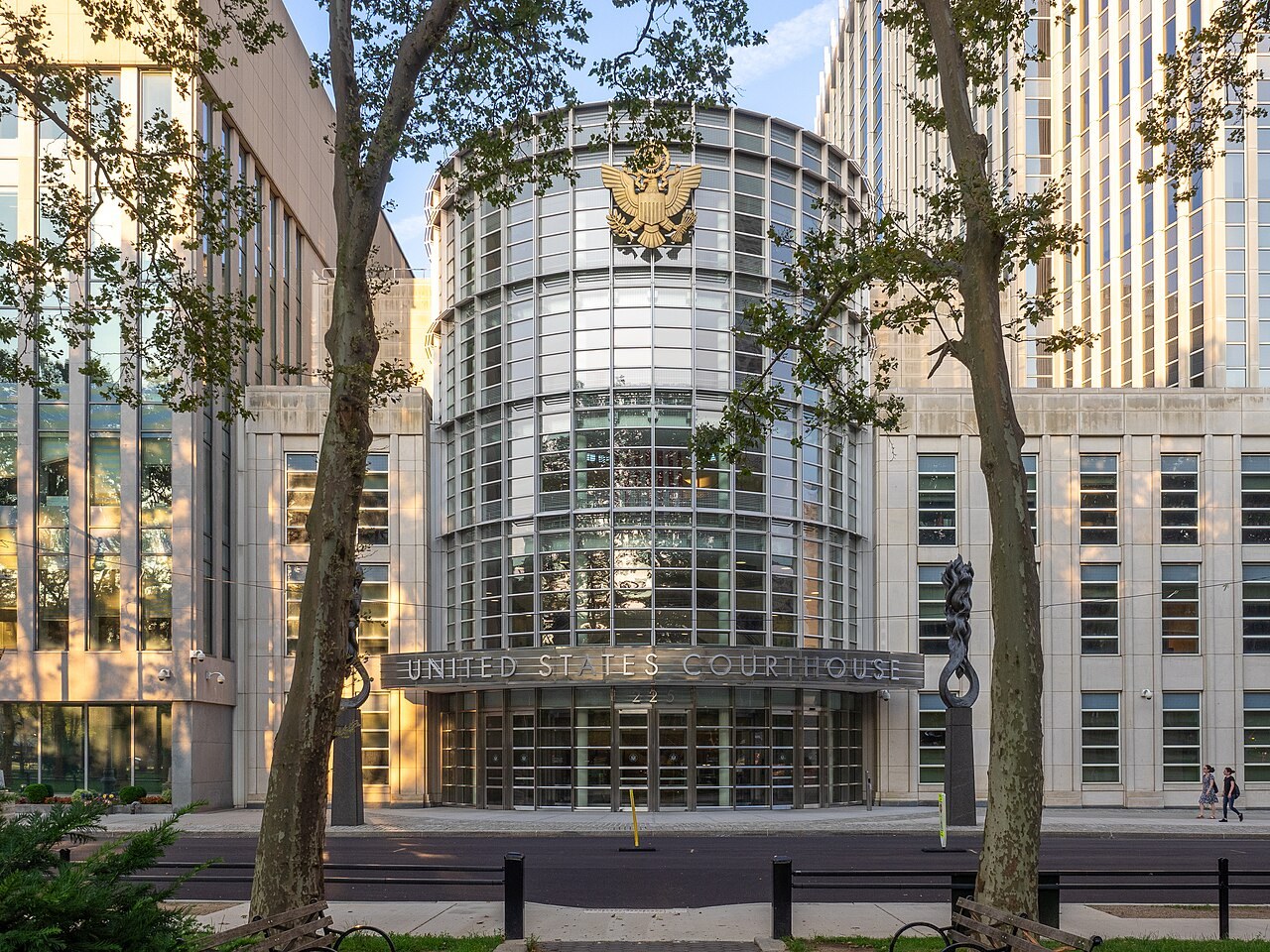 Wikimedia Commons / CC BY 2.0
Key Takeaways & Intelligence
- A Brooklyn federal jury found Huawei and several subsidiaries guilty on 10 of 12 felony counts after a sprawling multi-month trial.
- Convictions cover bank and wire fraud, money laundering, Iran sanctions evasion via Skycom, and theft of trade secrets from T-Mobile, Cisco, and Motorola.
- Jurors delivered a major partial victory for the defense by acquitting Huawei on headline racketeering (RICO) and obstruction of justice charges.
- U.S. District Judge Ann Donnelly scheduled formal sentencing for September 14, 2027, where steep criminal forfeitures are expected.
BROOKLYN, NEW YORK — Bringing an extraordinary multi-year international prosecution to a split climax, a federal jury in Brooklyn convicted Chinese telecommunications powerhouse Huawei Technologies on 10 criminal counts while clearing the firm of the government’s sharpest allegation that it operated as a corrupt racketeering enterprise.
Returned Tuesday in the U.S. District Court for the Eastern District of New York, the verdict finds Huawei and affiliated entities guilty on felony charges encompassing bank fraud, wire fraud, money laundering, violations of U.S. sanctions on Iran, and systematic conspiracies to misappropriate proprietary intellectual property from American tech rivals.
Theft, Sanctions, and the Tappy Robot
Prosecutors detailed an aggressive corporate playbook stretching across decades, anchored by allegations that Huawei covertly controlled Hong Kong shell firm Skycom to funnel prohibited U.S.-origin network hardware into Iran while deceiving global banks about the true nature of those transactions.
Jurors also backed charges involving coordinated efforts to obtain confidential engineering secrets from American firms including T-Mobile, Cisco Systems, and Motorola—notably citing past attempts involving T-Mobile’s automated smartphone testing robot, “Tappy.”
Mixed Outcome on RICO and Next Steps
Despite securing sweeping felony convictions across 10 counts, Justice Department lawyers suffered a stinging setback on the centerpiece count of the 2020 superseding indictment: jurors acquitted Huawei under the Racketeer Influenced and Corrupt Organizations (RICO) Act, rejecting arguments that the Shenzhen titan functioned top-to-bottom as a criminal syndicate. The panel likewise cleared the company on obstruction of justice.
Defense counsel hailed the racketeering acquittal as a “profound rejection” of federal overreach while promising an immediate appellate challenge against the 10 fraud and trade secret convictions. U.S. District Judge Ann Donnelly slated sentencing for September 14, 2027, setting the stage for potentially massive corporate fines amid persistent U.S.-China tech friction.