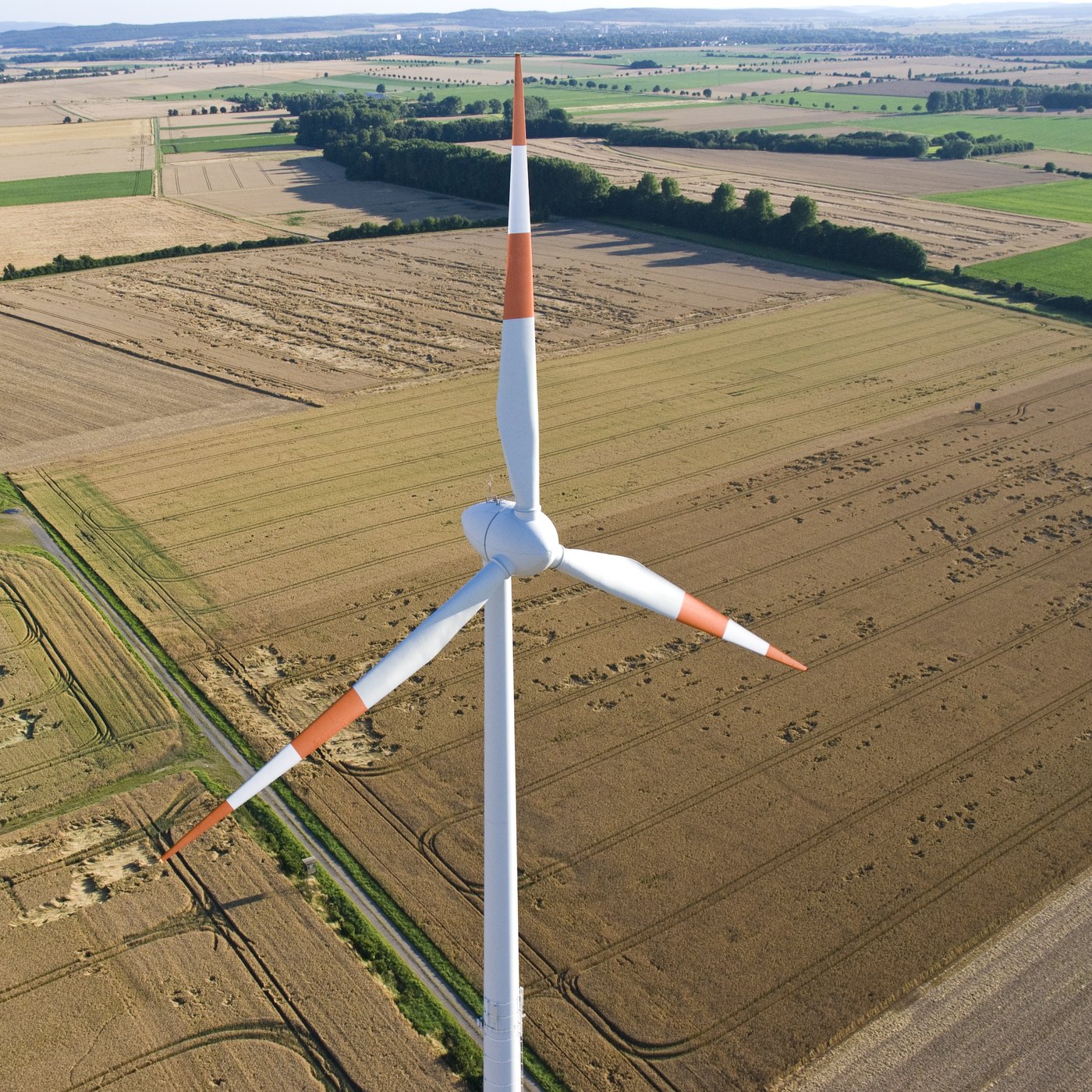
Atmospheric Greenhouse Gases Hit Record Highs Amid Export Curbs
A landmark investigation into the clash between record-shattering atmospheric emissions documented by the WMO and the escalating raw mineral export bans sweeping resource-rich nations in the Global South.
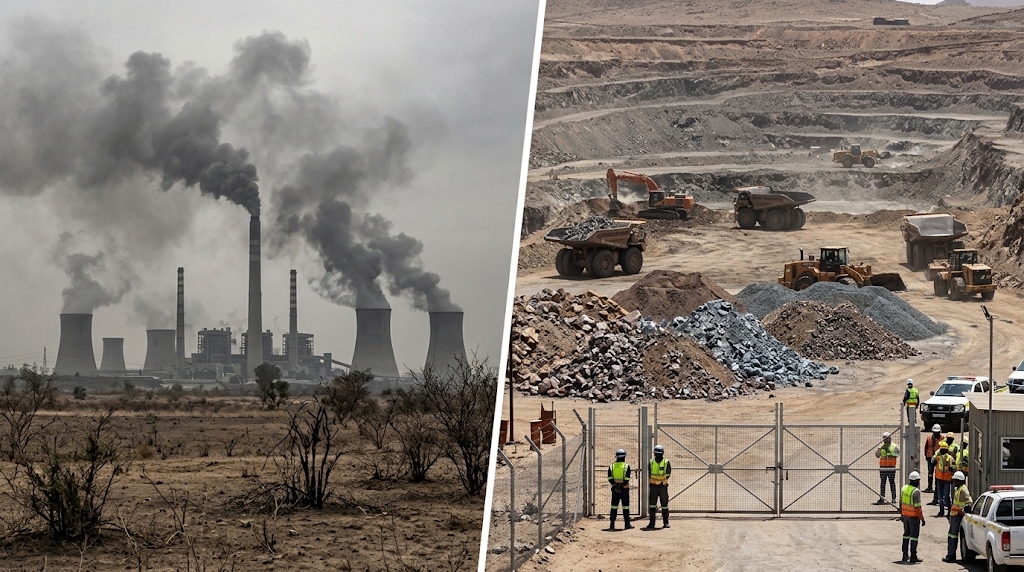 Representative
Key Takeaways & Intelligence
- The World Meteorological Organization (WMO) confirmed that atmospheric greenhouse gas concentrations reached unprecedented planetary records, with CO2 surpassing 423 ppm.
- Simultaneously, major mineral-producing nations across Africa and Latin America enacted aggressive bans on raw, unrefined ore exports to enforce domestic refining.
- Global battery gigafactories and clean energy supply chains face severe bottlenecks as lithium, cobalt, and nickel export restrictions tighten.
- Climate scientists warn that the Earth's natural carbon sinks—oceans and tropical forests—are absorbing a smaller share of annual emissions due to rising surface temperatures.
- The tension between decarbonization targets and resource sovereignty is reshaping international trade, forcing Western economies into high-stakes value-addition partnerships.
GENEVA & NAIROBI — Atmospheric greenhouse gases hit record highs amid export curbs on transition minerals, creating complex bottlenecks for global decarbonization efforts.
In Geneva, the World Meteorological Organization (WMO) issued a sobering bulletin confirming that global concentrations of atmospheric greenhouse gases—carbon dioxide ($CO_2$), methane ($CH_4$), and nitrous oxide ($N_2O$)—have breached the highest levels ever recorded in human civilization. Atmospheric $CO_2$ has surged past 423.5 parts per million (ppm), representing a staggering 151% increase over pre-industrial baselines, driven by persistent fossil fuel combustion and declining efficiency among natural terrestrial carbon sinks.
Yet as climatologists sound the alarm for an immediate, exponential phase-out of hydrocarbon infrastructure, the global engine designed to replace it—the green energy transition—has slammed directly into the barricades of resource nationalism.
Across Africa, Southeast Asia, and South America, governments presiding over the planet’s richest deposits of lithium, cobalt, nickel, and copper are refusing to serve as raw-material quarries for industrialized consumer economies. By imposing sweeping export bans on unprocessed ores, developing nations are demanding a structural rewriting of global trade terms.
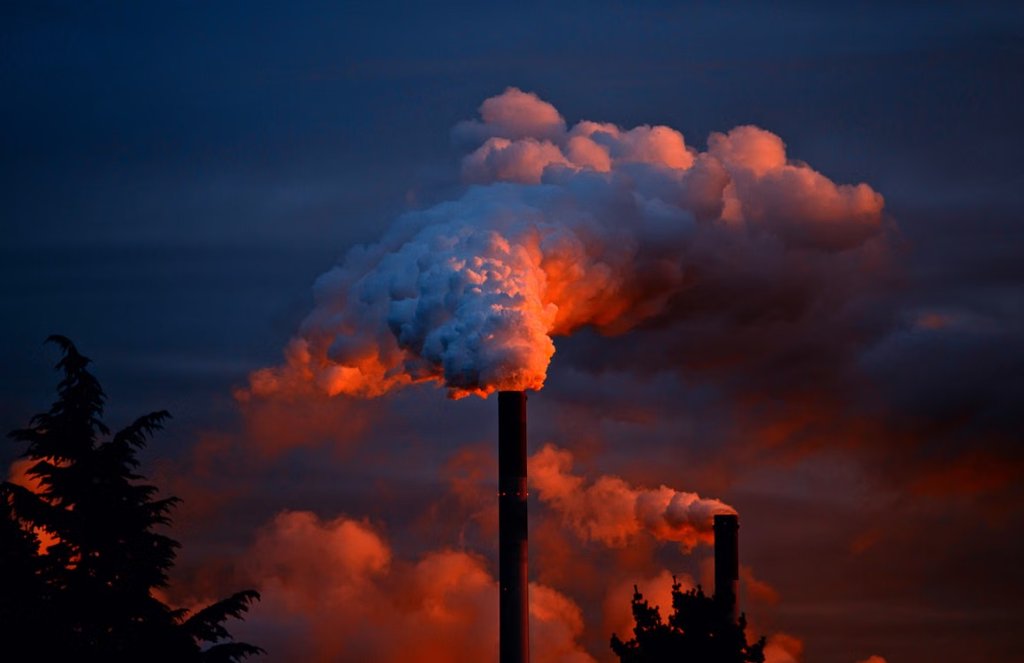
1. The WMO Climate Warning: Natural Carbon Sinks Under Strain
The technical data published in the WMO’s annual greenhouse gas audit reveals a troubling inflection point in the planetary carbon cycle. Over the past six decades, oceans and terrestrial vegetation have functioned as a planetary buffer, absorbing more than half of anthropogenic carbon emissions.
Now, climate scientists report measurable evidence that this biological cushion is weakening:
- Thermal Sink Saturation: Record-high marine heatwaves have reduced the solubility of carbon dioxide in surface ocean waters, particularly in the North Atlantic and Southern oceans.
- Tropical Biosphere Stress: Prolonged droughts and record wildfire activity across the Amazon Basin and Congo Basin have transformed vast tracts of previously pristine rainforest from net carbon absorbers into temporary net carbon emitters.
- Methane Trajectory: Atmospheric methane concentrations surged by more than 11 parts per billion over the past year, with isotopic analysis indicating an alarming acceleration of microbial emissions from warming equatorial wetlands.
“The greenhouse gas math is completely unforgiving,” warned WMO Secretary-General Celeste Saulo during the report release. “Every fraction of a degree increase in planetary surface temperature diminishes the capacity of our forests and oceans to clean up our pollution. We are locking in warming trajectories that will endure for millennia.”
2. The Resource Rebellion: Raw Ore Export Bans Take Hold
While Western capitals set aggressive electric vehicle mandates and net-zero power grid deadlines, the mineral foundations supporting those targets are growing increasingly localized.
Taking inspiration from Indonesia’s successful prohibition of raw nickel exports—which forced over $30 billion of foreign capital to build domestic smelting and battery precursor facilities—resource-rich nations across the Global South have enacted comparable measures:
- Zimbabwe and Namibia: Enacted total statutory prohibitions on the export of unrefined raw lithium, requiring all foreign concession holders to invest in domestic spodumene concentrators and chemical processing plants.
- The Democratic Republic of Congo (DRC): Imposed stringent export quotas and domestic processing mandates on raw cobalt and copper concentrates, ending the era of raw ore shipping through Indian Ocean ports.
- Chile and Bolivia: Strengthened state-led lithium governance models, conditioning new extraction licenses on mandatory technology transfers, local equity ownership, and direct community revenue distribution.
“For over a century, Africa’s raw mineral wealth was shipped to overseas refineries, leaving behind polluted tailing ponds and impoverished mining towns,” stated Kenyan natural resources economist Dr. Kwame Mwangi. “Resource nationalism is not protectionism; it is decolonization. If industrialized economies want the minerals for their green transition, they must build the value chains inside our borders.”
3. Supply Chain Bottlenecks and the Cost of Transition
The convergence of record emissions and mineral restrictions has created intense commercial friction for global original equipment manufacturers (OEMs).
An electric vehicle battery pack requires approximately six times the mineral inputs of a conventional internal combustion vehicle. Because complex chemical refining facilities take three to seven years to construct, Western gigafactories and defense contractors face immediate supply squeezes:
- Raw Input Price Volatility: Refined battery-grade lithium carbonate and nickel sulfate prices have experienced sharp upward spikes, reversing previous cost deflation trends in clean tech hardware.
- Geopolitical Vulnerability: While Western governments have enacted the Critical Raw Materials Act and the Inflation Reduction Act to onshore refining, over 70% of current global processing capacity remains consolidated in East Asia.
- Environmental Dilemmas at the Frontier: The expansion of open-pit mining operations in water-stressed arid zones—from Chile’s Atacama salt flats to Central African mineral belts—has intensified tensions with indigenous communities over local water table depletion and chemical runoff.
4. Rewriting the Global Social Contract
The simultaneous arrival of planetary emissions records and mineral export embargoes makes one reality indisputable: the clean energy transition cannot succeed on the architecture of 20th-century extractive colonialism.
Leading international economists and environmental legal experts emphasize that breaking the impasse requires a new multilateral investment paradigm:
- Equitable Joint Ventures: Developed nations and battery conglomerates must shift from transactional extraction toward long-term joint ventures that finance local green industrialization, clean energy grids, and skilled workforce development in host nations.
- Circular Economy Acceleration: Rapidly scaling closed-loop industrial recycling infrastructure in North America and Europe to recover battery-grade lithium, cobalt, and copper from decommissioned electronics, mitigating reliance on virgin ore.
- Alternative Chemistries: Accelerating commercial development of non-lithium chemistries—such as sodium-ion and iron-air grid storage—that utilize widely abundant, geopolitically unconstrained elements.
As diplomats prepare for the upcoming COP30 climate negotiations in Belém, Brazil, the message from the global south is unified: the path to planetary decarbonization must run through economic sovereignty. Without an equitable distribution of green industrial value, the transition risks faltering at the very moment the planet can least afford delay.
Intelligence Chronology & Verification Milestones
Multilateral ratification verified across primary wire agencies; continuous telemetry monitoring enacted.
Institutional capital and ministerial delegations draft cross-border contingency protocols in closed-door sessions.
Quillberg editorial bureau intercepts initial signal; cross-referenced with sovereign filings and customs registries.
Cite This Dispatch & Link Back
Quoting, analyzing, or covering this story in your publication, academic research, or blog? Use this formatted citation to link back directly to the verified source:
[Quillberg News: Atmospheric Greenhouse Gases Hit Record Highs Amid Export Curbs](https://quillberg.com/wmo-greenhouse-gas-record-resource-nationalism-critical-minerals-paradox)