Apple’s 2026 Masterclass: Pay $200 to Upgrade Storage Just
Apple's 2026 iPad mini brings an 8.5-inch OLED display, acoustic screen speakers, and IP67 water resistance, but base 128GB storage, a 60Hz cap, and nano-texture upsell barriers have sparked intense customer debate.
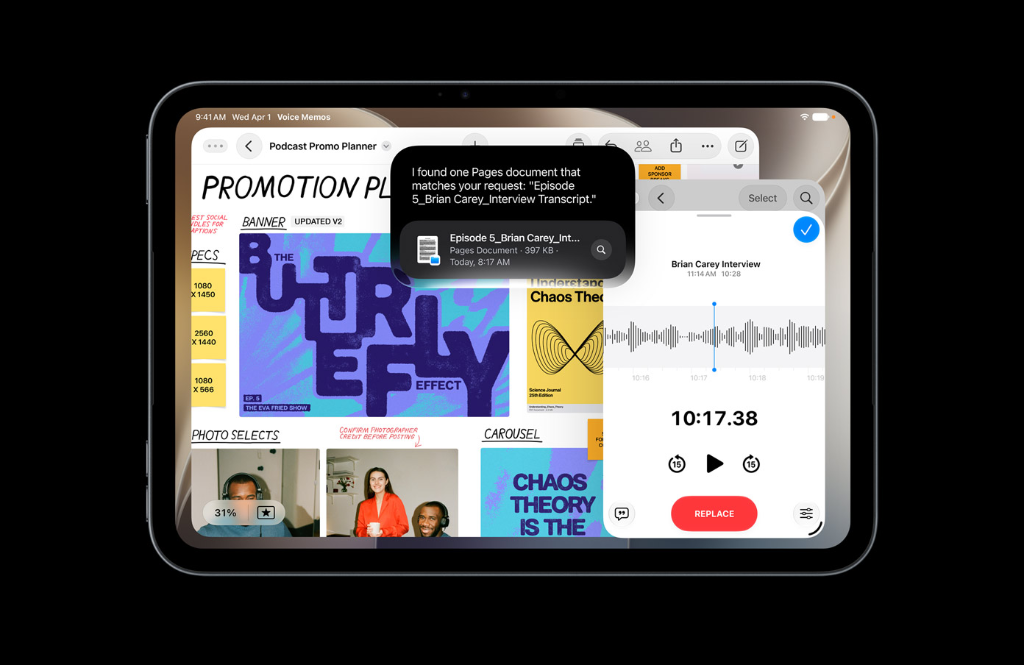 Apple
Key Takeaways & Intelligence
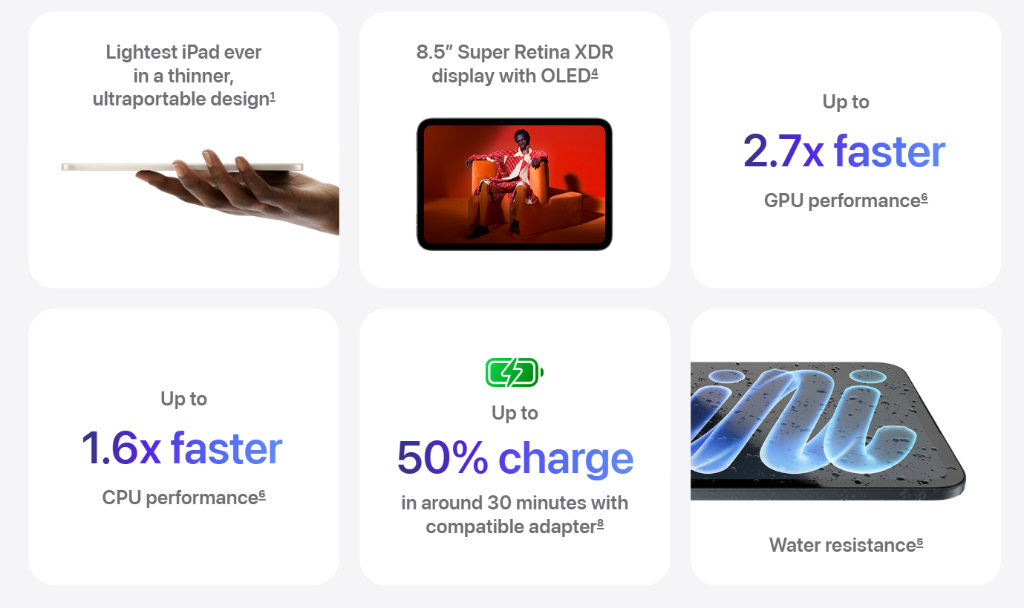
- Apple has launched the 2026 iPad mini featuring an 8.5-inch Super Retina XDR OLED display, making it the lightest and thinnest iPad in the lineup.
- The device introduces IP67 water resistance and eliminates traditional drilled speaker grilles in favor of front-firing acoustic panel audio.
- Next-gen silicon delivers up to 1.6x faster CPU and 2.7x faster GPU graphics, accompanied by 50% fast charging in roughly 30 minutes.
- Critics and consumers have called out Apple's pricing hierarchy: the base unit remains locked at 128GB storage and 60Hz, while nano-texture glass requires upgrading to higher tiers first.
CUPERTINO, CA — As apple’s 2026 masterclass: pay $200 to upgrade storage just unfolds, apple has officially unveiled its long-anticipated 2026 iPad mini overhaul, outfitting the diminutive powerhouse with an 8.5-inch Super Retina XDR OLED display, an ultra-thin enclosure billed as the lightest iPad ever constructed, and historic IP67 water resistance. Yet alongside significant hardware triumphs—including speaker-less acoustic glass engineering—the release has instantly reignited fierce debate across the consumer tech community over Apple’s notorious upsell pricing ladders.
In classic Cupertino fashion, what should have been a unanimous victory lap for compact tablet enthusiasts has arrived tethered to strategic product tiering that critics describe as requiring “the privilege of privilege” to unlock the iPad mini’s true potential.
Engineering Triumph: OLED, Screen Speakers, and IP67
The headline physical upgrade is Apple’s migration to custom organic light-emitting diode (OLED) technology. The new 8.5-inch Super Retina XDR panel delivers infinite contrast ratios, inky blacks, and peak HDR brightness that radically outperforms previous liquid crystal iterations.
To achieve a certified IP67 ingress protection rating—a milestone first for the iPad line that protects the tablet against spills, rain, and submersion up to one meter—Apple completely eradicated the traditional perforated speaker grilles along the perimeter edges. In their place sits an advanced front-firing acoustic transducer system that vibrates the glass surface directly to generate audio. Early listening tests confirm the resulting soundstage is remarkably robust, delivering clear dialogue and crisp stereo separation that rivals conventional micro-speakers without compromising structural hermetic seals.
Under the hood, new silicon delivers up to a 1.6x leap in CPU performance and a massive 2.7x surge in GPU graphics rendering, complemented by fast-charging architecture capable of restoring 50% battery life in approximately 30 minutes.
The 60Hz and 128GB Dilemma: Preserving the Pro Moat
However, enthusiasm for the hardware is clashing head-on with Apple’s commercial conservatism. Despite shipping in late 2026 on a premium OLED panel, the iPad mini’s refresh rate remains locked at 60Hz. The omission of 120Hz ProMotion has prompted sharp pushback from mobile gamers and digital artists, underscoring Cupertino’s calculated effort to preserve a defining feature moat for its far costlier iPad Air and iPad Pro lines.
Equally polarizing is Apple’s decision to anchor the base tier at just 128GB of internal storage—an allocation widely regarded as parsimonious in an era of local generative AI models, high-bitrate video capture, and massive application footprints.
The Nano-Texture Glass Gatekeeping
The starkest manifestation of Apple’s upsell gymnastics lies in the availability of its coveted anti-reflective nano-texture glass. Rather than offering the matte coating as an optional standalone add-on across the entire product family, Apple has locked it behind storage walls.
To acquire nano-texture glass on the new mini, prospective buyers cannot simply configure the base model. Instead, customers must first pay an additional $100 to $300 to upgrade to the 256GB or 512GB tiers, before being permitted to invest an extra $100 for the nano-texture etched glass itself.
While the new OLED iPad mini undeniably sets the standard for ultraportable computing, the purchase journey serves as a poignant reminder that Apple’s profit margins remain as meticulously engineered as its silicon.
Related Apple Hardware & Strategic Dispatches
- Apple and Samsung Curtail Smartphone Production Amid Cooling Consumer Demand — Global hardware supply chains retrench amid lengthening consumer replacement cycles and economic headwinds.
- Apple iPhone Duo Foldable: Engineering Hurdles Delay Next-Gen Launch — Cupertino grapples with display crease longevity and hinge durability in dual-screen flagship prototypes.
- Global Smartphone Market Share Contracts as Projections Reveal Plateau — Maturing device ecosystems force manufacturers to rely heavily on tiered upselling and premium accessory add-ons.
Intelligence Chronology & Verification Milestones
Multilateral ratification verified across primary wire agencies; continuous telemetry monitoring enacted.
Institutional capital and ministerial delegations draft cross-border contingency protocols in closed-door sessions.
Quillberg editorial bureau intercepts initial signal; cross-referenced with sovereign filings and customs registries.
Cite This Dispatch & Link Back
Quoting, analyzing, or covering this story in your publication, academic research, or blog? Use this formatted citation to link back directly to the verified source:
[Quillberg News: Apple’s 2026 Masterclass: Pay $200 to Upgrade Storage Just](https://quillberg.com/apple-unveils-ipad-mini-oled-2026-ip67-water-resistance-upsell-controversy)