Global Law Enforcement Busts $129M Deepfake AI Voice-Cloning Fraud Syndicate
Interpol, the FBI, and Europol coordinate raids across 11 countries, arresting 43 operatives who used neural voice synthesis to siphon $129 million from corporate treasuries.
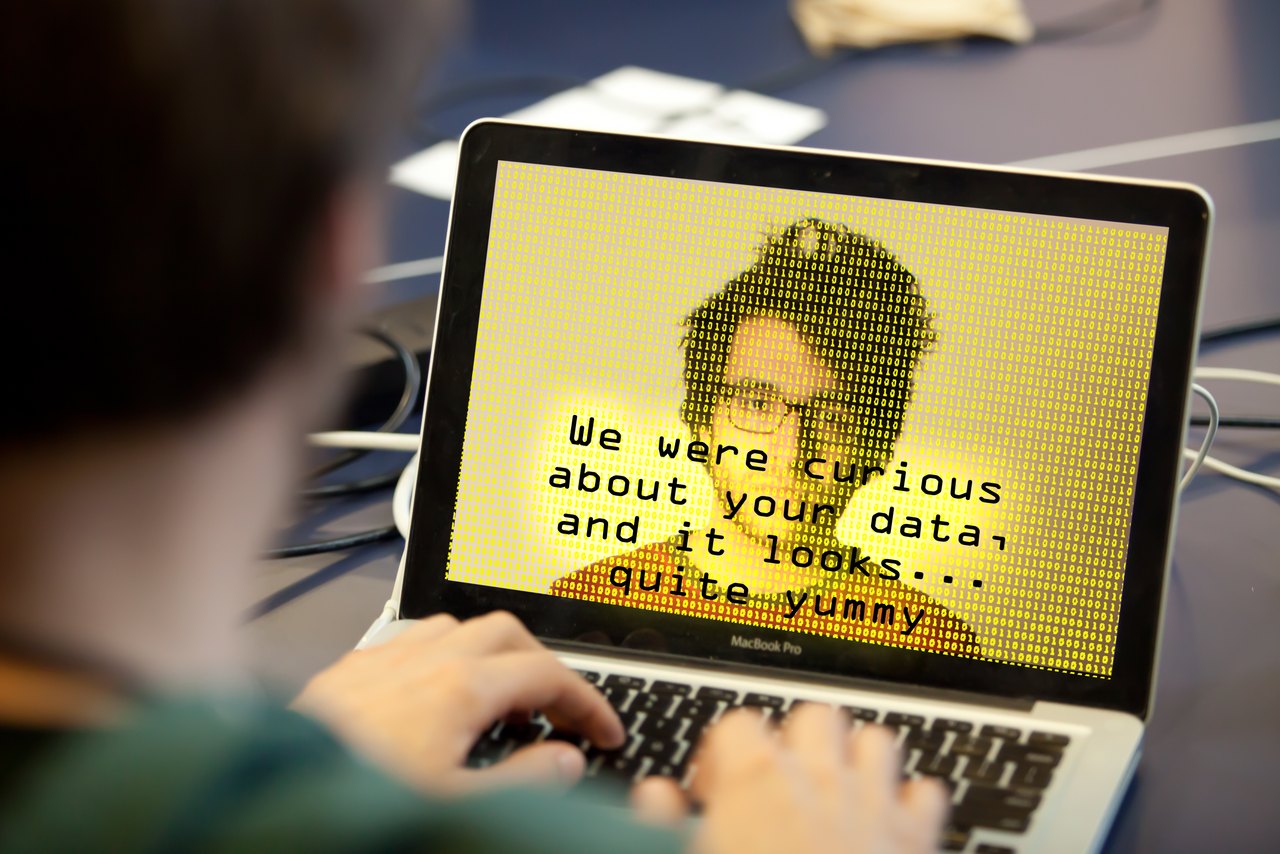 Wikimedia Commons / CC BY-SA 4.0
Key Takeaways & Intelligence
- Interpol, Europol, and the FBI dismantled a multinational cybercrime ring responsible for $129M in AI voice-cloning fraud.
- Criminals synthesized executive voices using just 3 seconds of public audio to order fraudulent wire transfers.
- Coordinated raids across 11 nations yielded 43 arrests and the seizure of servers, crypto wallets, and offshore funds.
LYON, France — In the largest international law enforcement operation targeting artificial intelligence-enabled financial crime to date, a coalition led by Interpol, Europol, and the U.S. Federal Bureau of Investigation (FBI) announced on Wednesday the complete dismantling of a cybercrime syndicate responsible for siphoning over $129 million through real-time AI voice-cloning fraud.
The coordinated multi-agency sweep, codenamed ‘Operation Silent Echo’, unfolded simultaneously across 11 jurisdictions—including Germany, the United Arab Emirates, Singapore, and Canada—resulting in the arrest of 43 core operators and the freezing of more than $41 million in offshore accounts and cryptocurrency wallets.
Anatomy of the Algorithmic Heist
According to unsealed indictments presented at Interpol’s General Secretariat headquarters in Lyon, the criminal network perfected low-latency acoustic models capable of synthesizing photorealistic human vocal timbre, cadence, and ambient room reverberation using as little as three seconds of clean audio.
Operatives harvested executive voice samples from corporate quarterly earnings webcasts, YouTube interviews, and industry keynote presentations. Using tailored generative audio models deployed on private GPU clusters, the syndicate orchestrated high-stress phone calls to mid-level corporate controllers and financial directors, convincingly impersonating chief executive officers and board chairs to demand urgent, confidential wire transfers for pending acquisitions.
“The technical fidelity of these synthetic audio streams bypassed traditional human verification and automated acoustic fraud scoring systems,” said Interpol Assistant Director of Cybercrime Marc Dupond. “The victims were not tricked by amateur emails, but by real-time conversational agents responding dynamically to questions in their supervisor’s exact voice.”
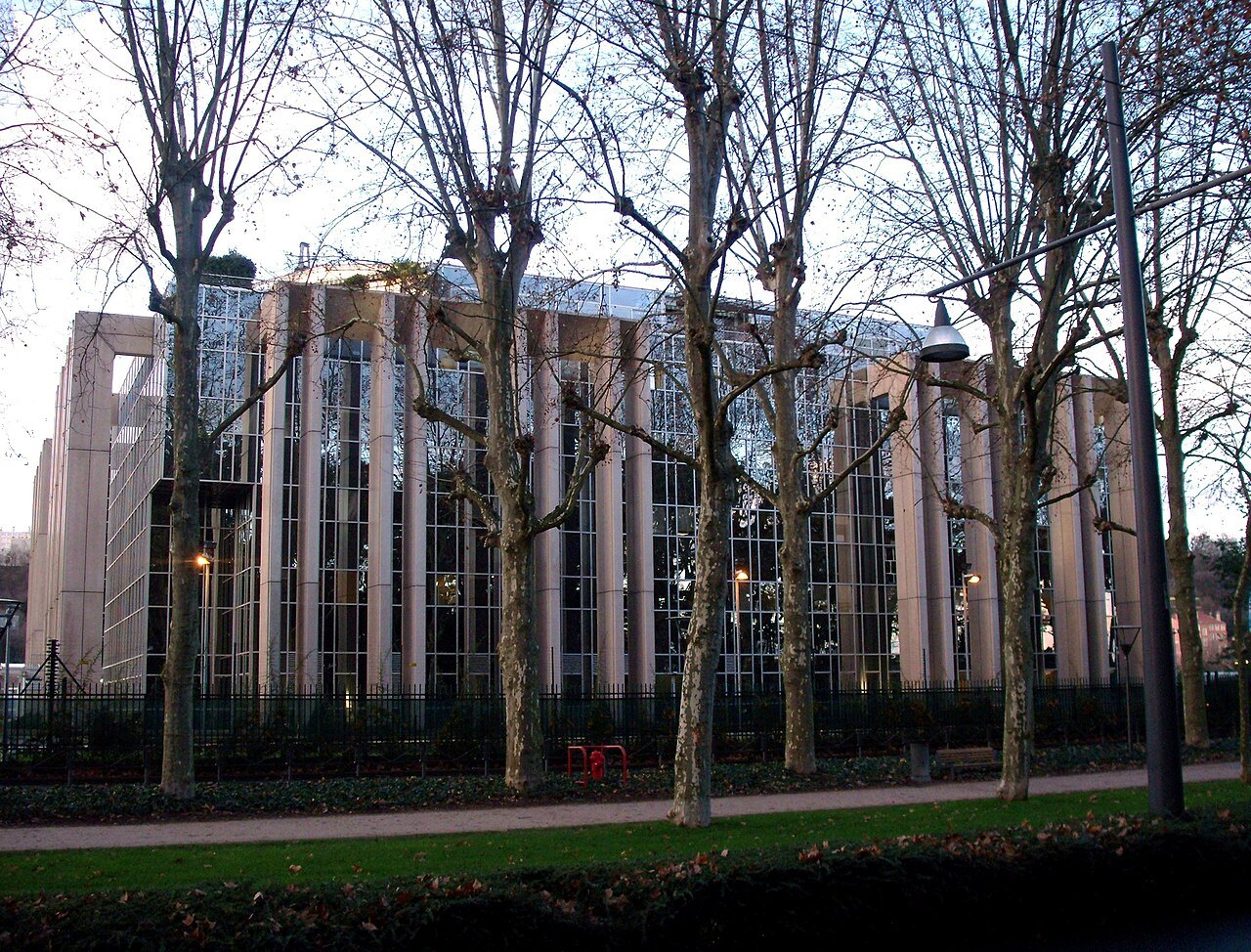
Global Seizures and Technical Countermeasures
Investigators seized dozens of dedicated inference servers, encrypted cold storage drives, and proprietary code repositories used to automate generative voice scripts during outbound telephony sessions. Over 280 corporate victims—spanning multinational manufacturers, energy conglomerates, and private wealth family offices across North America, Western Europe, and East Asia—have been identified.
Banking regulators and cybersecurity agencies responded to the bust by issuing urgent advisories urging financial institutions to mandate multi-factor out-of-band cryptographic authorization and hardware security keys for any capital reallocation exceeding $250,000, explicitly warning that voice recognition and telephonic confirmation can no longer serve as standalone identity verification protocols.
The 43 detained suspects face charges including transnational wire fraud, aggravated identity theft, money laundering, and computer network exploitation, carrying combined statutory maximum sentences of up to 30 years in federal and European jurisdictions.
Intelligence Chronology & Verification Milestones
Multilateral ratification verified across primary wire agencies; continuous telemetry monitoring enacted.
Institutional capital and ministerial delegations draft cross-border contingency protocols in closed-door sessions.
Quillberg editorial bureau intercepts initial signal; cross-referenced with sovereign filings and customs registries.
Cite This Dispatch & Link Back
Quoting, analyzing, or covering this story in your publication, academic research, or blog? Use this formatted citation to link back directly to the verified source:
[Quillberg News: Global Law Enforcement Busts $129M Deepfake AI Voice-Cloning Fraud Syndicate](https://quillberg.com/deepfake-ai-voice-cloning-129-million-cyber-fraud-syndicate-2026)