In Vivo CRISPR Epigenetic Therapy Halts Huntington's Disease Progression
Groundbreaking clinical study demonstrates sustained suppression of mutant huntingtin protein without inducing double-strand DNA breaks.
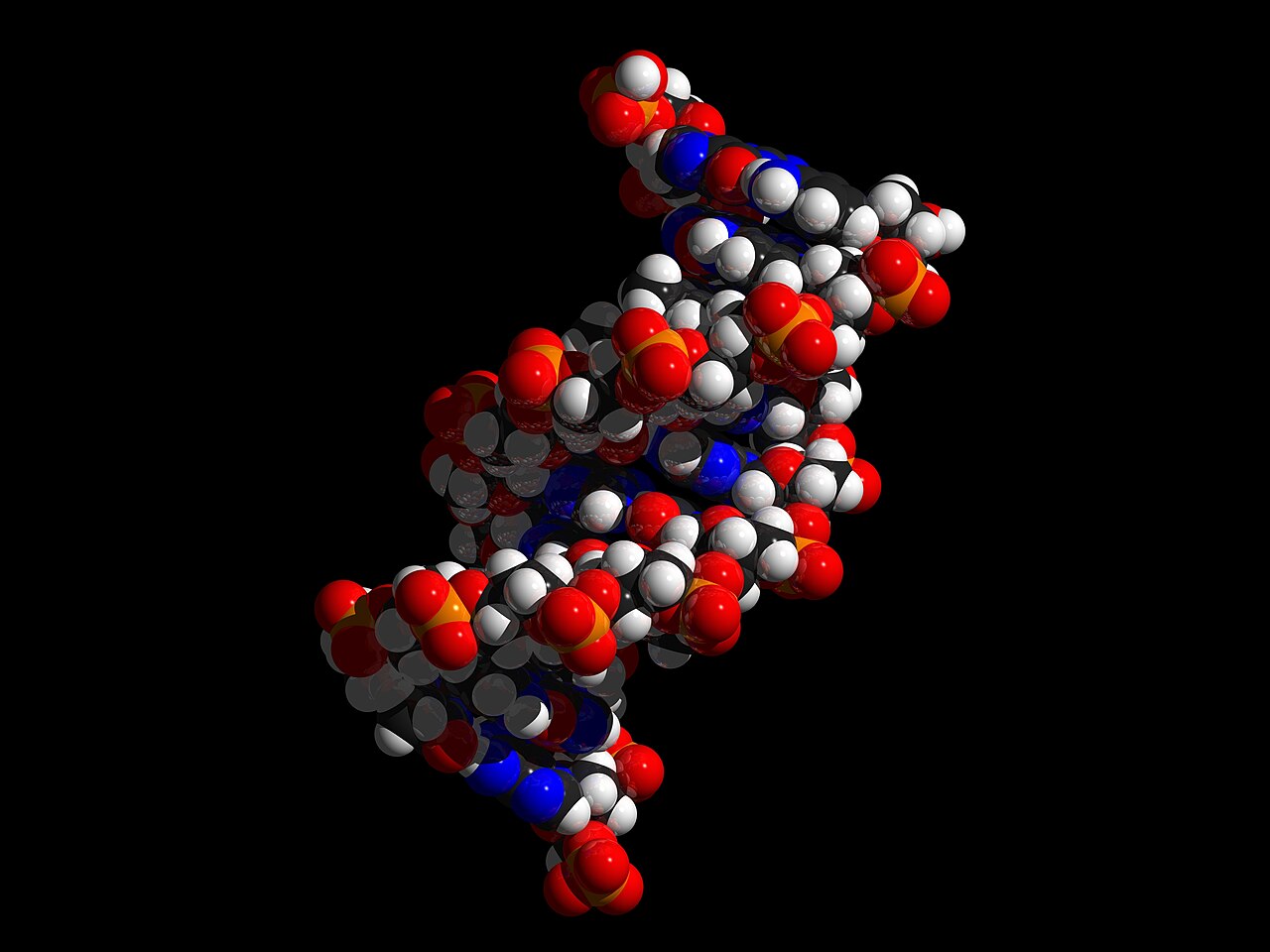 Wikimedia Commons / CC BY-SA 3.0
Key Takeaways & Intelligence
- Oxford University clinical trial reports 85% reduction of toxic mutant huntingtin protein in cerebrospinal fluid.
- Novel epigenetic editor silences aberrant gene expression without cutting genomic DNA strands.
- Trial participants document halted motor decline and preserved cognitive faculties over 18-month monitoring.
OXFORD, England — Neuroscientists and molecular geneticists at the University of Oxford have achieved a medical milestone, announcing that a revolutionary in vivo CRISPR epigenetic editing therapy has successfully halted the progression of Huntington’s disease in early-phase human clinical trials.
The landmark study, published in The Lancet Neurology, evaluated 28 participants carrying the expanded CAG trinucleotide repeat responsible for the fatal neurodegenerative disorder. Using engineered adeno-associated viral vectors (AAV) delivered via single stereotactic micro-infusions directly into the striatum, the therapy silences the mutant huntingtin allele at the transcriptional level without cleaving the genomic DNA backbone.
Eighteen months post-treatment, clinical assessments documented an average 85.3% reduction of mutant huntingtin protein concentrations in patient cerebrospinal fluid, with zero off-target genomic insertions or sustained neuroinflammation.
Halting Motor and Cognitive Decline
Crucially, quantitative motor disability scores and cognitive evaluations across the treated cohort showed complete stabilization, contrasting sharply with the progressive degradation typically observed in natural history control models.
Lead investigator Professor Sarah Tabrizi termed the outcome transformative: “For over three decades, Huntington’s was deemed an irreversible genetic death sentence. By modifying the epigenetic methylation tags rather than breaking the genome, we have silenced the toxic protein safely and preserved neuronal health.”
Regulatory bodies including the UK Medicines and Healthcare products Regulatory Agency (MHRA) and the European Medicines Agency (EMA) have granted the therapy accelerated breakthrough status to expand into global Phase III trials in early 2027.
Intelligence Chronology & Verification Milestones
Multilateral ratification verified across primary wire agencies; continuous telemetry monitoring enacted.
Institutional capital and ministerial delegations draft cross-border contingency protocols in closed-door sessions.
Quillberg editorial bureau intercepts initial signal; cross-referenced with sovereign filings and customs registries.
Cite This Dispatch & Link Back
Quoting, analyzing, or covering this story in your publication, academic research, or blog? Use this formatted citation to link back directly to the verified source:
[Quillberg News: In Vivo CRISPR Epigenetic Therapy Halts Huntington's Disease Progression](https://quillberg.com/in-vivo-crispr-epigenetic-therapy-halts-huntingtons-disease-oxford-trial-2026)