Iran Delivers 7-Point Nuclear Proposal via Qatar, Refuses Direct Talks
A diplomatic investigation into Tehran's confidential seven-point framework delivered to Washington via Qatari intermediaries: why Supreme Leader Ayatollah Ali Khamenei refuses direct negotiations or the easing of Strait of Hormuz maritime pressures until economic sanctions are fully dismantled.
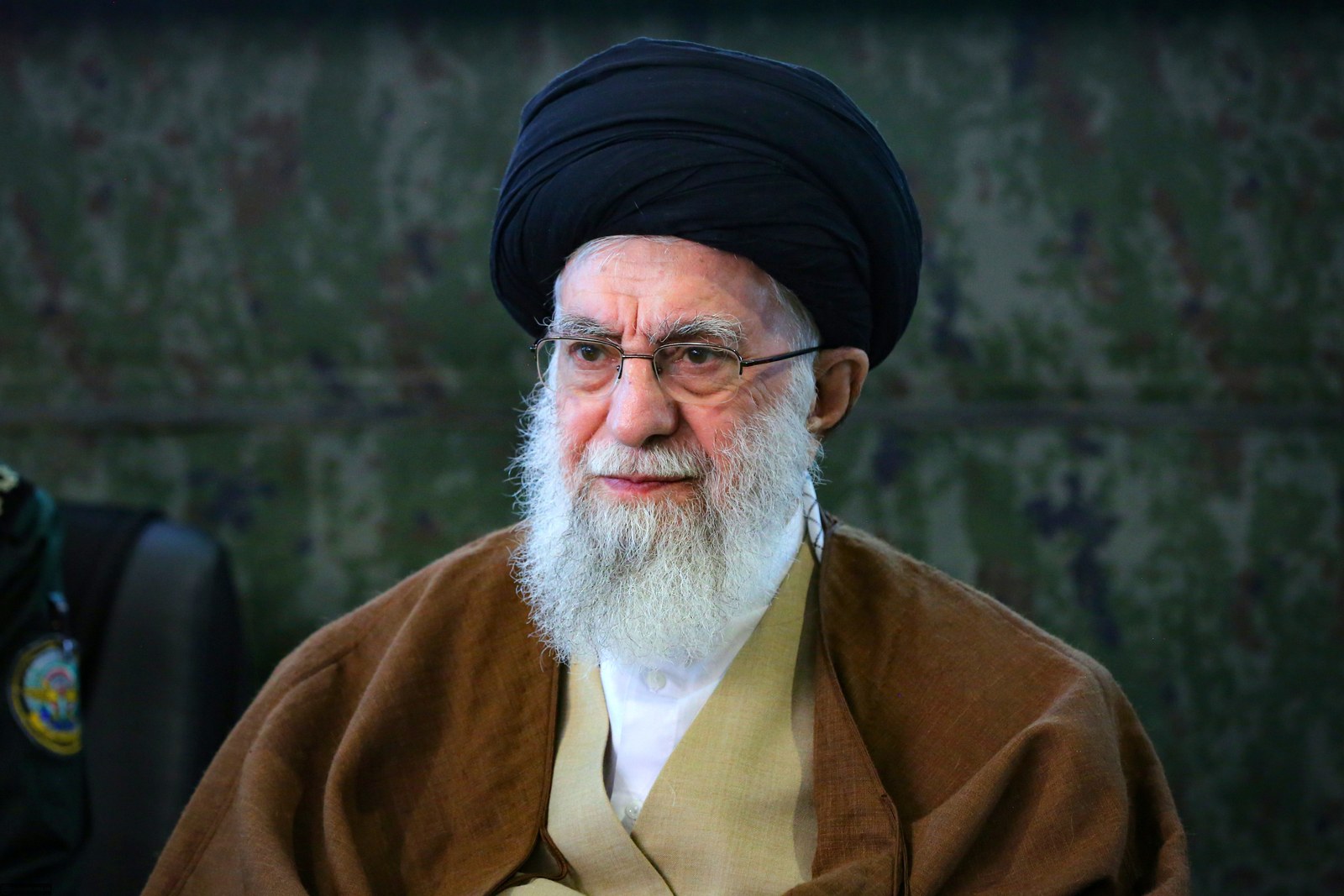 khamenei.ir / Wikimedia Commons (CC BY 4.0)
Key Takeaways & Intelligence
- Qatari diplomatic intermediaries have officially delivered a confidential seven-point negotiation framework from Tehran to U.S. national security officials in Washington.
- Supreme Leader Ayatollah Ali Khamenei has barred Iranian diplomats from engaging in face-to-face bilateral talks until verifiable sanctions relief is enacted.
- Iran's core demands include the unfreezing of overseas central bank assets and the removal of secondary sanctions on crude oil and petrochemical exports.
- Tehran maintains that regular commercial tanker traffic through the strategic Strait of Hormuz remains contingent on the de-escalation of foreign naval patrols.
- The diplomatic impasse lands amid political realignments in Washington following the 2026 U.S. midterm elections, testing both executive and legislative foreign policy agendas.
DOHA & TEHRAN — As iran delivers 7-point nuclear proposal via qatar, refuses direct talks unfolds, in an intricately coordinated diplomatic gambit through Gulf intermediaries, the Islamic Republic of Iran has formally delivered a confidential seven-point negotiation framework to the United States.
The proposal, ferried directly from Tehran to Washington via senior Qatari envoys in Doha, marks the most detailed diplomatic exchange between the two adversarial powers in over a year. Yet behind the diplomatic overture lies an uncompromising message from Iran’s ultimate decision-maker: no direct negotiations will occur, and no concessions will be granted in the strategic Strait of Hormuz, until the United States unconditionally removes economic sanctions and unfreezes tens of billions of dollars in foreign assets.
Addressing senior government figures, military commanders, and clerical leaders in Tehran, Supreme Leader Ayatollah Ali Khamenei reaffirmed that the Islamic Republic will not yield to economic coercion or unilateral demands.
“We have never sought confrontation, but our nation’s sovereign rights cannot be bartered away under the threat of sanctions,” Khamenei stated in an address broadcast nationally. “Direct dialogue with a counterpart that consistently breaches international commitments is neither rational nor permissible. Any diplomatic progress must begin with deeds, not empty rhetoric.”
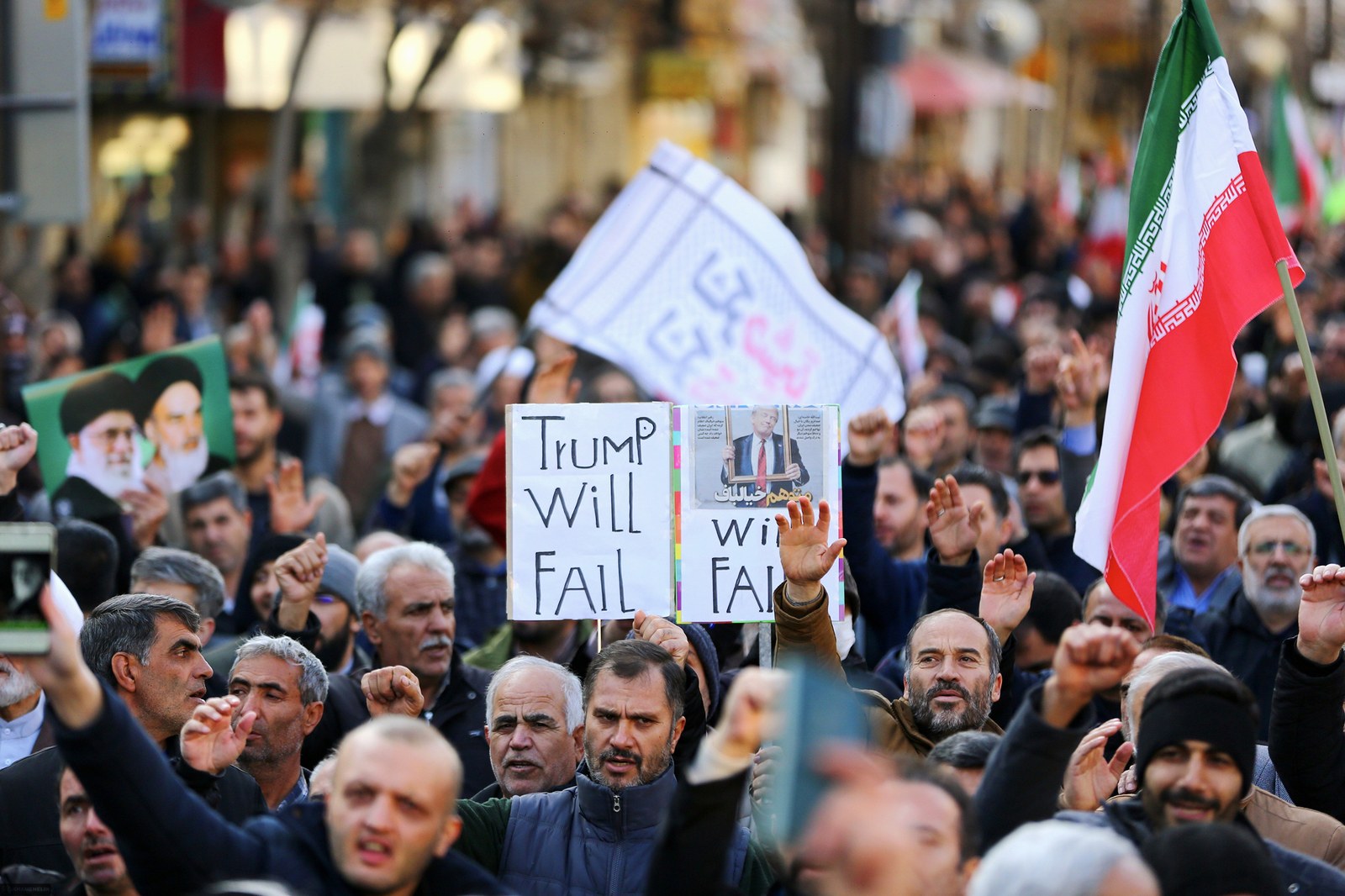
1. The Seven Conditions: Inside Tehran’s Qatari Roadmap
Diplomatic sources in Doha familiar with the contents of the document confirmed that the seven-point proposal represents a cohesive consensus formulated by Iran’s Supreme National Security Council (SNSC):
- Comprehensive Relief from Secondary Sanctions: Immediate executive waivers and legislative roadmaps repealing unilateral U.S. sanctions targeting third-party purchasers of Iranian crude oil, gas condensates, and petrochemicals.
- Unfreezing Sovereign Financial Reserves: The unrestricted release and transfer of Iranian state assets currently locked in escrow accounts across European, East Asian, and Gulf banking institutions.
- Binding Executive & Legislative Guarantees: Legal assurances protecting against a unilateral U.S. withdrawal or the arbitrary reimposition of sanctions by future American administrations.
- Cessation of Covert Subversion: A formal commitment halting cyber sabotage, physical strikes, and clandestine intelligence operations aimed at Iranian nuclear infrastructure, specifically at the underground enrichment complexes of Natanz and Fordow.
- IAEA Inspection Protocols Restructuring: Limiting International Atomic Energy Agency (IAEA) monitoring strictly to declared civilian nuclear power facilities while barring intrusive snap inspections of military sites.
- Demilitarization of Gulf Maritime Corridors: A phased reduction of U.S. carrier strike group patrols in the Persian Gulf and the Gulf of Oman, shifting maritime security responsibilities toward regional littoral states.
- Universal Recognition of Civilian Enrichment Rights: Multilateral endorsement of Iran’s civilian uranium enrichment capabilities up to commercial fuel thresholds under the Treaty on the Non-Proliferation of Nuclear Weapons (NPT).
“This is not a capitulation; it is an ultimatum structured as a roadmap,” explained Dr. Farhad Ghasemi, an international relations scholar based in Tehran. “Iran has demonstrated its capability to enrich uranium to 60 percent purity and endure maximum pressure. Tehran’s stance is that the ball is now squarely in Washington’s court.”
2. The Chokepoint Dilemma: The Strait of Hormuz Leverage
Central to the geopolitical standoff is the Strait of Hormuz—the narrow 21-mile-wide waterway separating Iran from the Arabian Peninsula through which roughly twenty percent of the world’s daily petroleum liquids pass.
Over recent months, heightened naval patrols by the Islamic Revolutionary Guard Corps (IRGC) Navy, rigorous commercial inspections, and sporadic maritime interdictions have pushed commercial tanker war-risk insurance premiums to multi-year highs. Global energy markets remain on edge, with crude oil benchmarks experiencing volatility whenever rhetoric flares between Washington and Tehran.
In the Qatari-brokered roadmap, Iranian negotiators explicitly linked maritime easing in the Strait to sanctions waivers. By tying commercial shipping tranquility directly to economic relief, Tehran has demonstrated its willingness to weaponize its geographical chokehold without engaging in overt kinetic conflict.
Western maritime intelligence agencies report that commercial container and tanker traffic continues to operate under cautious escort protocols, with commercial operators rerouting select vessels around southern Africa when tensions spike.
3. Washington’s Complex Calculus: Executive Powers and Congressional Realignment
In Washington, the arrival of Tehran’s proposal lands at a politically delicate moment.
Following the historic 2026 U.S. Midterm Elections, where the Democratic Party captured majorities in both the Senate and the House of Representatives, foreign policy debates on Capitol Hill have intensified. Democratic leaders in Congress have signaled an eagerness to pursue structured multilateral de-escalation to lower global energy inflation, while the White House and conservative lawmakers warn that concessions on secondary sanctions would embolden Tehran’s regional influence.
“Any diplomatic accommodation that unfreezes assets without ironclad, verifiable rollbacks of Iran’s advanced centrifuge cascades will face intense congressional oversight,” noted a senior congressional foreign affairs aide. “At the same time, neither party wants an expanded regional war in the Middle East that sends domestic gas prices soaring.”
4. Backchannel Shuttle Diplomacy in Doha and Muscat
With direct talks ruled out by Ayatollah Khamenei, the burden of mediation rests heavily on the diplomatic corridors of Doha and Muscat.
Qatari Prime Minister Sheikh Mohammed bin Abdulrahman Al Thani and Omani diplomats have maintained continuous non-verbal shuttle communication between the parties. Negotiators are exploring whether an incremental, reciprocal arrangement—often termed “freeze-for-freeze” or synchronized compliance—can serve as an interim confidence-building mechanism.
Under such a framework, the U.S. might release localized humanitarian-earmarked tranches of frozen funds in exchange for Iranian caps on uranium enrichment purity and a formal cessation of maritime interdictions in the Strait of Hormuz.
Yet as both capitals dig into their positions, the margin for diplomatic miscalculation remains dangerously narrow. For now, the seven-point document resting in Washington represents both an olive branch and a stark reminder: until the economic vise is loosened, the waters of the Persian Gulf will remain treacherous.
Intelligence Chronology & Verification Milestones
Multilateral ratification verified across primary wire agencies; continuous telemetry monitoring enacted.
Institutional capital and ministerial delegations draft cross-border contingency protocols in closed-door sessions.
Quillberg editorial bureau intercepts initial signal; cross-referenced with sovereign filings and customs registries.
Cite This Dispatch & Link Back
Quoting, analyzing, or covering this story in your publication, academic research, or blog? Use this formatted citation to link back directly to the verified source:
[Quillberg News: Iran Delivers 7-Point Nuclear Proposal via Qatar, Refuses Direct Talks](https://quillberg.com/iran-nuclear-proposal-qatar-standoff-strait-of-hormuz-sanctions)