Middle East Shipping Diverts Around Red Sea and Hormuz
Maritime operators and oil tanker fleets accelerate rerouting around Africa as geopolitical friction across the Bab al-Mandab and Strait of Hormuz pushes global freight rates higher.
 Wikimedia Commons / CC BY-SA 3.0
Key Takeaways & Intelligence
- Commercial freight rates jump 14% as shipping liners reroute bulk and container traffic around Africa.
- Naval taskforces report elevated security protocols around the Strait of Hormuz and Bab al-Mandab corridors.
- Extended transit times of 10 to 14 days increase bunker fuel consumption and European import costs.
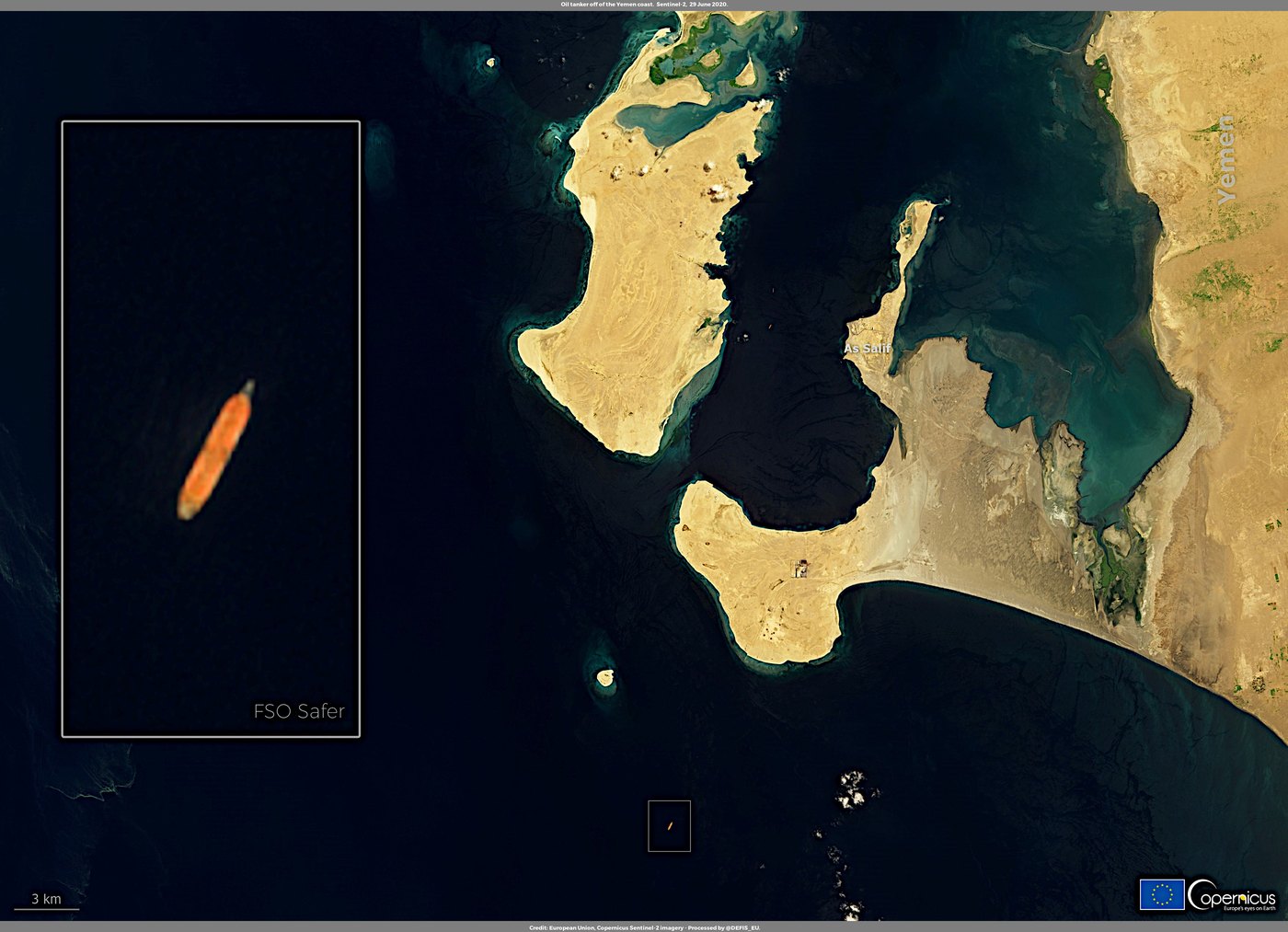
DUBAI — International maritime shipping operators and energy transport conglomerates accelerated traffic diversions away from critical Middle Eastern chokepoints on Monday, as renewed regional security alerts prompted merchant vessels to bypass the southern Red Sea and adopt cautious transit protocols near the Strait of Hormuz.
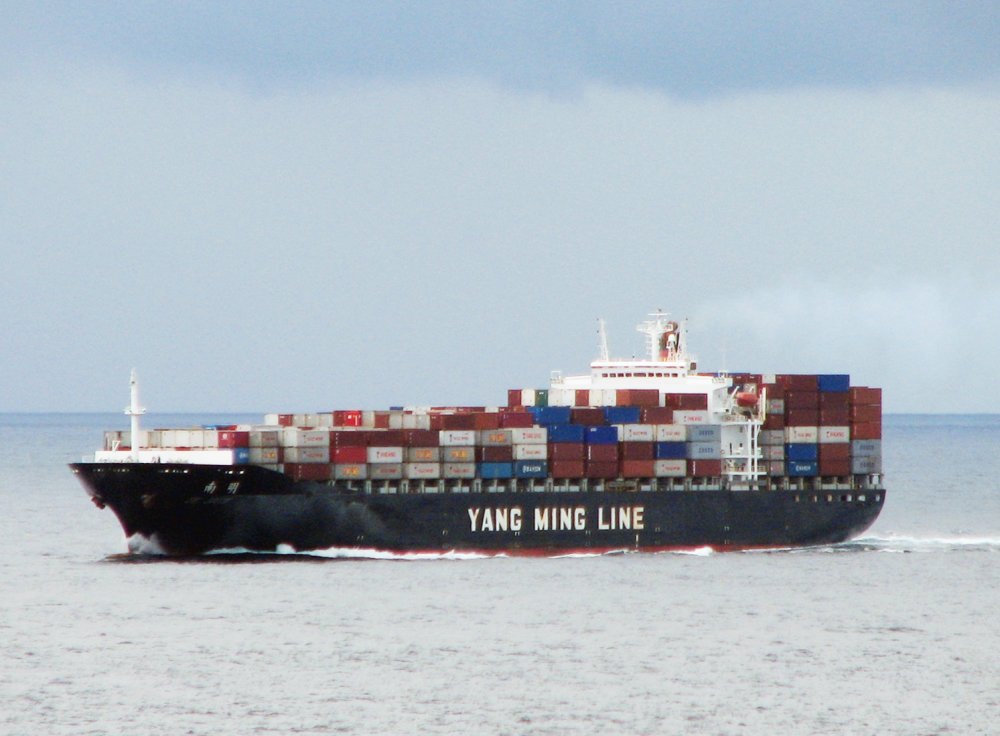
According to data released by maritime intelligence group Lloyd’s List, more than 65% of scheduled container volume between Asia and Northern Europe is now actively routing around Africa’s Cape of Good Hope, adding approximately 10 to 14 days to standard voyages.
Freight Spikes and Extended Transit Timelines
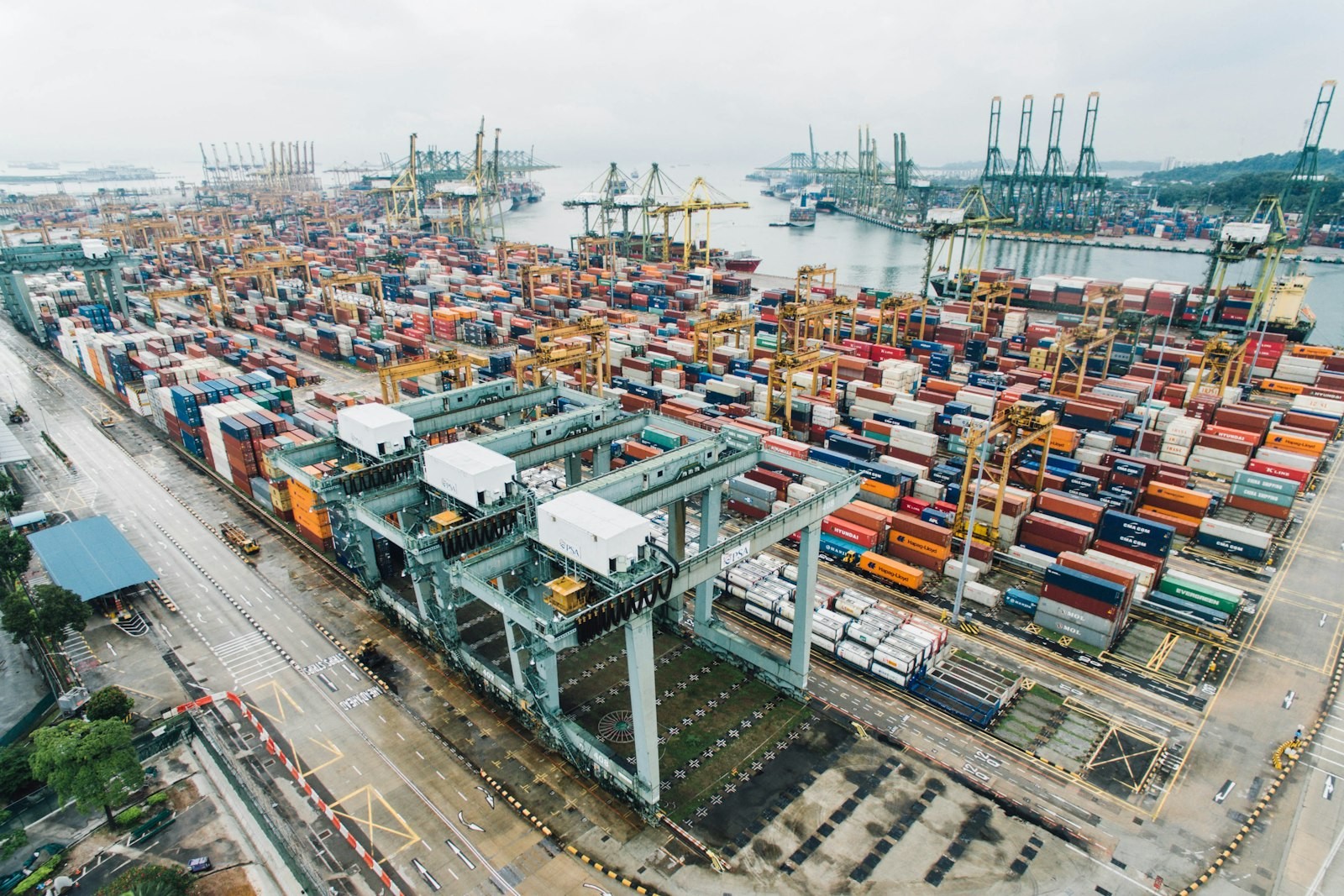
The extended nautical mileage has triggered a sharp rebound in spot container freight rates, with the Shanghai-to-Rotterdam benchmark rising 14% over the past fortnight to surpass $4,800 per forty-foot equivalent unit (FEU). Bunker fuel expenditure for carriers has surged concurrently, pressuring margins for logistics intermediaries and threatening to feed into European manufacturing input prices ahead of the first quarter.
While crude oil tanker transits through the Strait of Hormuz remain operational under heightened coalition surveillance, war-risk insurance premiums for vessels entering the Persian Gulf have climbed by 25 to 35 basis points. Energy traders note that even localized delays at bunkering hubs such as Fujairah are tightening spot availability of refined marine diesel.
“The global shipping system has effectively absorbed a permanent structural detour around the African continent,” remarked Henrik Lindqvist, head of maritime research at Baltic Marine Advisory. “What began as temporary contingency routing has hardened into an operational baseline for global logistics.”
Central banks and trade ministries are monitoring container throughput closely, wary that persistent transit bottlenecks could inject renewed volatility into imported goods inflation across Western economies.
Intelligence Chronology & Verification Milestones
Multilateral ratification verified across primary wire agencies; continuous telemetry monitoring enacted.
Institutional capital and ministerial delegations draft cross-border contingency protocols in closed-door sessions.
Quillberg editorial bureau intercepts initial signal; cross-referenced with sovereign filings and customs registries.
Cite This Dispatch & Link Back
Quoting, analyzing, or covering this story in your publication, academic research, or blog? Use this formatted citation to link back directly to the verified source:
[Quillberg News: Middle East Shipping Diverts Around Red Sea and Hormuz](https://quillberg.com/middle-east-shipping-chokepoints-hormuz-red-sea-energy-diverted-2026)