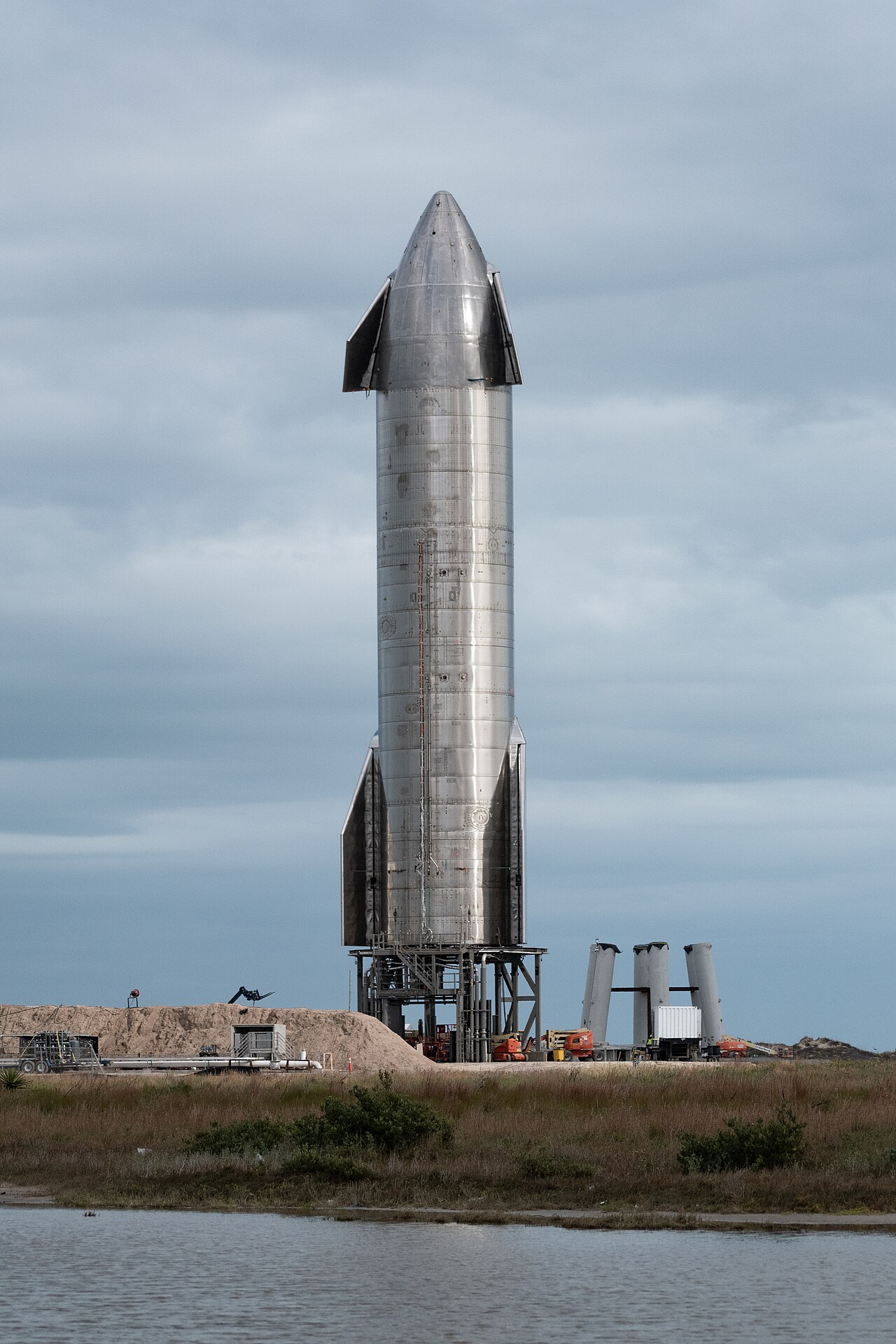
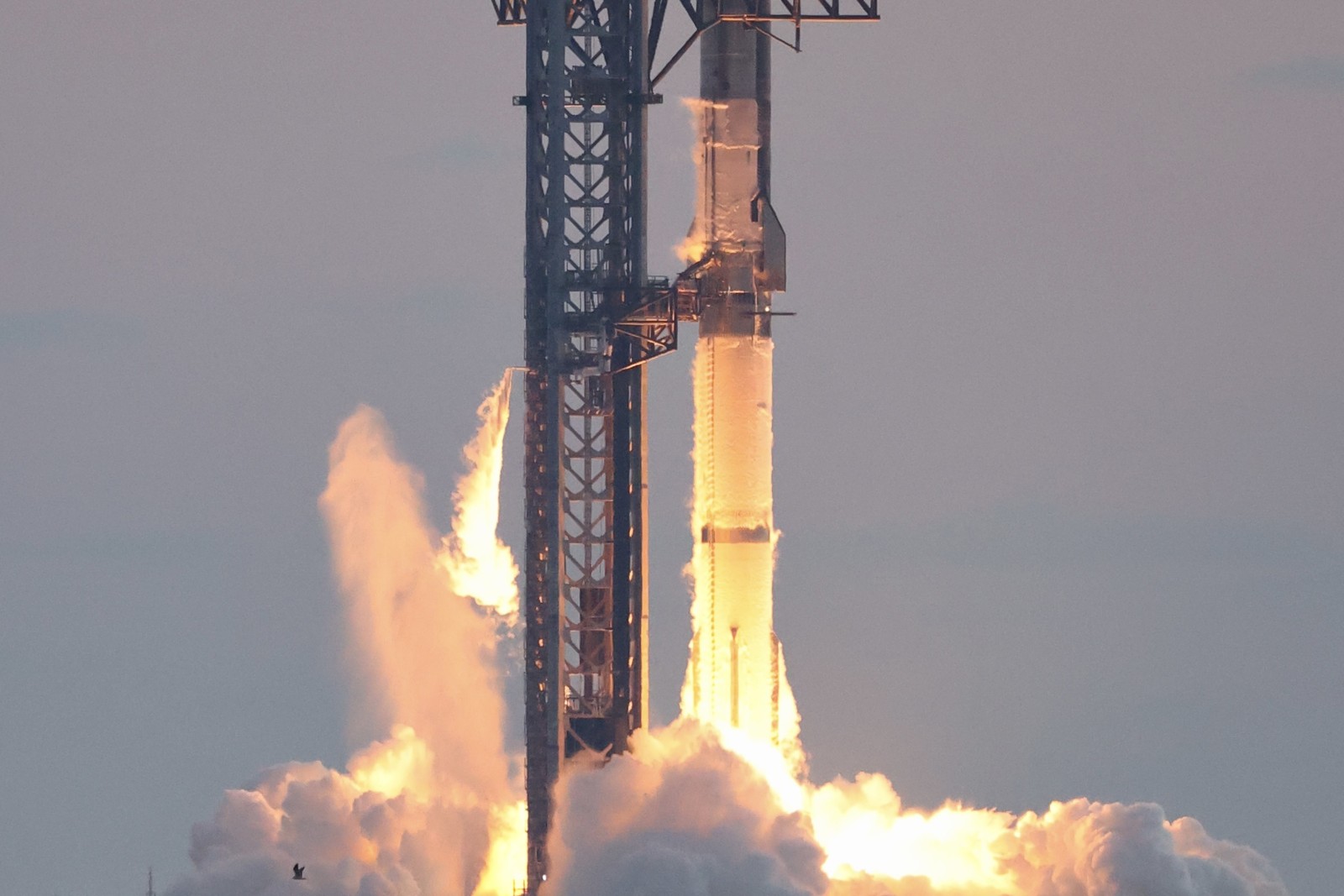
NASA Artemis III Achieves Historic Orbital Propellant Transfer in Lunar
In an unprecedented deep-space engineering triumph, NASA and SpaceX successfully execute full-scale cryogenic fuel transfer in lunar orbit, achieving final certification for the 2027 crewed South Pole landing.
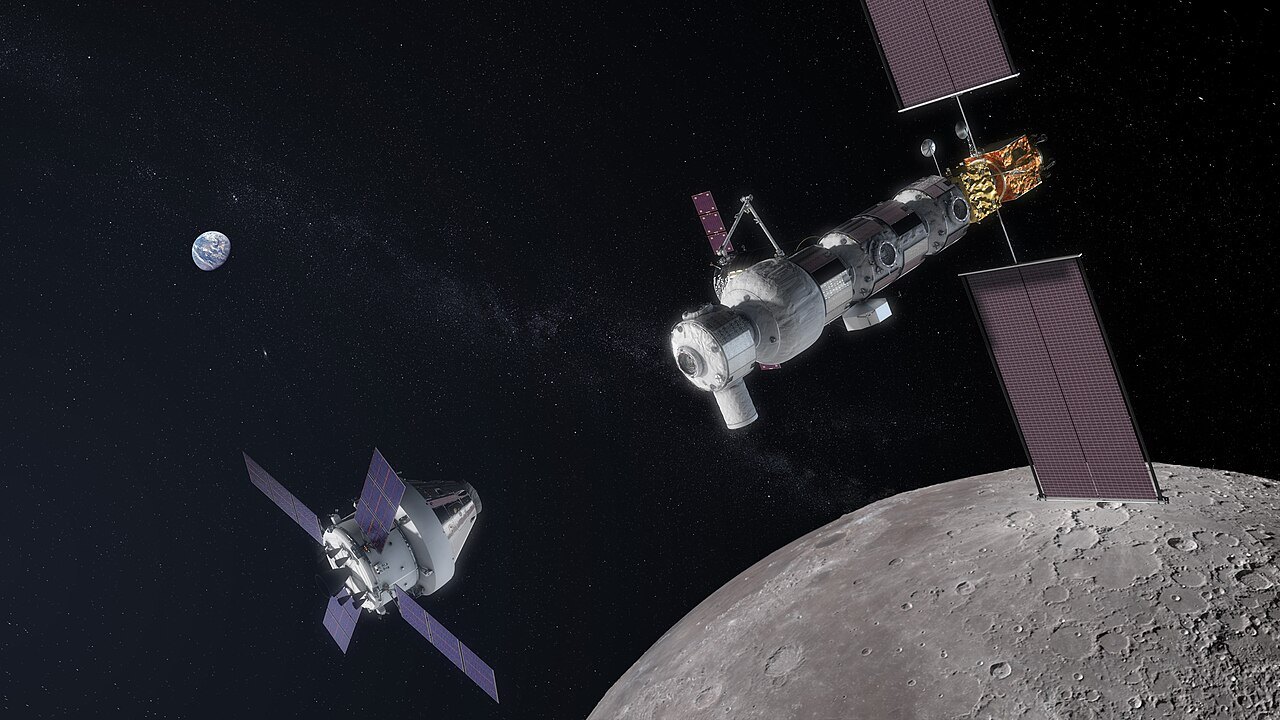 NASA / Wikimedia Commons / Public Domain
Key Takeaways & Intelligence
- NASA and SpaceX successfully transfer 42 metric tons of cryogenic propellant in lunar orbit.
- Zero-gravity automated transfer overcomes the primary technological hurdle for deep-space flight.
- Artemis III receives final certification for the historic crewed lunar South Pole landing in 2027.
WASHINGTON — In what space agency officials are hailing as the definitive technological hurdle cleared for humanity’s permanent return to the Moon, NASA and SpaceX confirmed Thursday that the Artemis III architecture has successfully completed the first-ever large-scale cryogenic propellant transfer in lunar orbit.
The complex automated orbital rendezvous saw a specialized Starship propellant depot dock with the uncrewed Starship Human Landing System (HLS) 380,000 kilometers from Earth, transferring over 42 metric tons of densified liquid oxygen and sub-cooled liquid methane under zero-gravity conditions without telemetry loss.
Critical Engineering Feat
Cryogenic fluid management in deep space has long been regarded as the chief risk factor for long-duration human planetary exploration. Boil-off mitigation, microgravity fluid settling, and automated precision docking sensors had to function flawlessly under extreme solar radiation gradients.
According to telemetry relayed through NASA’s Deep Space Network dishes in Goldstone and Canberra, the automated propellant transfer pumps operated continuously for two hours and forty minutes, maintaining vacuum insulation temperatures of minus 183 degrees Celsius.
“Today, deep-space logistics transitioned from theory into flight-proven operational reality,” said NASA Administrator Bill Nelson during an emergency press briefing at NASA Headquarters. “We have proven that we can establish orbital fueling depots around celestial bodies. The road to the lunar South Pole is now officially wide open.”
Path to the 2027 Crewed Lunar Landing
With orbital propellant transfer flight-certified, NASA’s Artemis program management formally signed off on the critical design review milestone for the Artemis III mission, slated to launch four astronauts—including the first woman and first person of color—to the lunar surface in late 2027.
The Orion spacecraft and the Space Launch System (SLS) Block 1B heavy-lift rocket are currently undergoing final integrated avionics stacking at Kennedy Space Center in Florida.
Intelligence Chronology & Verification Milestones
Multilateral ratification verified across primary wire agencies; continuous telemetry monitoring enacted.
Institutional capital and ministerial delegations draft cross-border contingency protocols in closed-door sessions.
Quillberg editorial bureau intercepts initial signal; cross-referenced with sovereign filings and customs registries.
Cite This Dispatch & Link Back
Quoting, analyzing, or covering this story in your publication, academic research, or blog? Use this formatted citation to link back directly to the verified source:
[Quillberg News: NASA Artemis III Achieves Historic Orbital Propellant Transfer in Lunar](https://quillberg.com/nasa-artemis-lunar-orbit-cryogenic-propellant-transfer-success-2026)