

SpaceX Starship Achieves In-Orbit Cryogenic Propellant Transfer
SpaceX executes the first-ever ship-to-ship orbital transfer of 150 metric tons of super-chilled cryogenic propellant in microgravity, proving the critical deep-space refueling technology required for human lunar and Mars exploration.
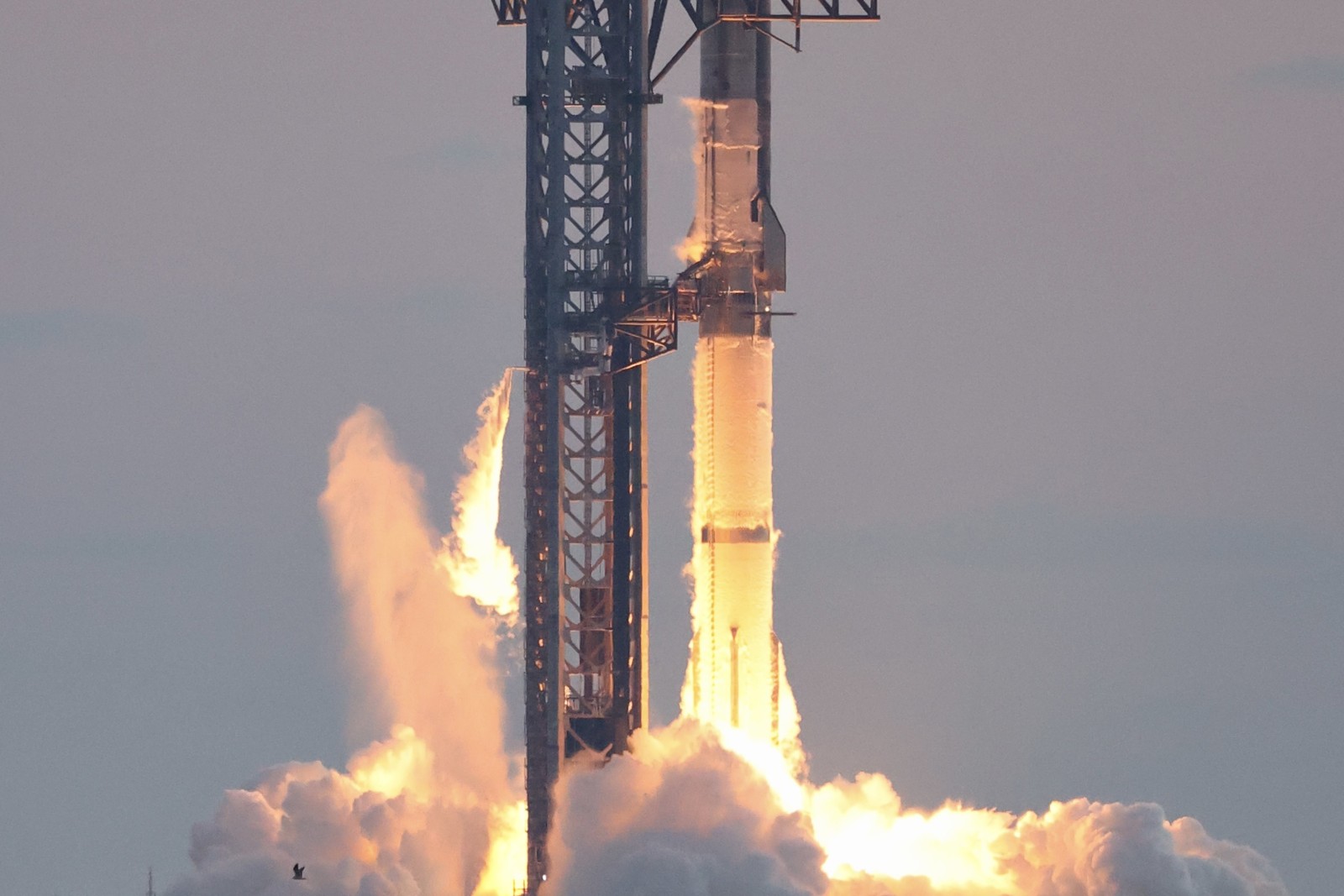 SpaceX / NASA Deep Space Exploration Archive
Key Takeaways & Intelligence
- SpaceX completes historic Starship Flight 10 from Starbase Texas, executing the first-ever ship-to-ship orbital transfer of 150 metric tons of super-chilled liquid methane and LOX in microgravity.
- Following the refueling milestone, Starship's vacuum Raptor engines reignited flawlessly to inject the spacecraft into a high-apogee translunar rehearsal trajectory.
- NASA Administrator celebrates the breakthrough, affirming SpaceX has retired the critical technological bottleneck for the upcoming Artemis III crewed lunar landing mission.
- Super Heavy booster completed a pinpoint catch at the Starbase launch tower with mechanical 'Mechazilla' arms for the fourth consecutive mission.
- Demonstration unlocks the engineering architecture required for uncrewed Mars demonstration flights slated for the late 2026-2028 transfer windows.
STARBASE, Texas — In a landmark technological leap that brings humanity’s permanent return to the Moon into sharp reality, SpaceX has successfully executed the world’s first ship-to-ship cryogenic propellant transfer in Earth orbit during the test flight of Starship Flight 10.
Lifting off from the company’s orbital launch mount in Boca Chica, Texas, under the thunderous roar of 33 Raptor 3 engines generating over 17 million pounds of thrust, Starship separated flawlessly from its Super Heavy booster at stage separation. Minutes later, the 71-meter booster returned to the launch pad, where it was plucked out of the sky by the launch tower’s mechanical “chopstick” arms in a flawless catch.
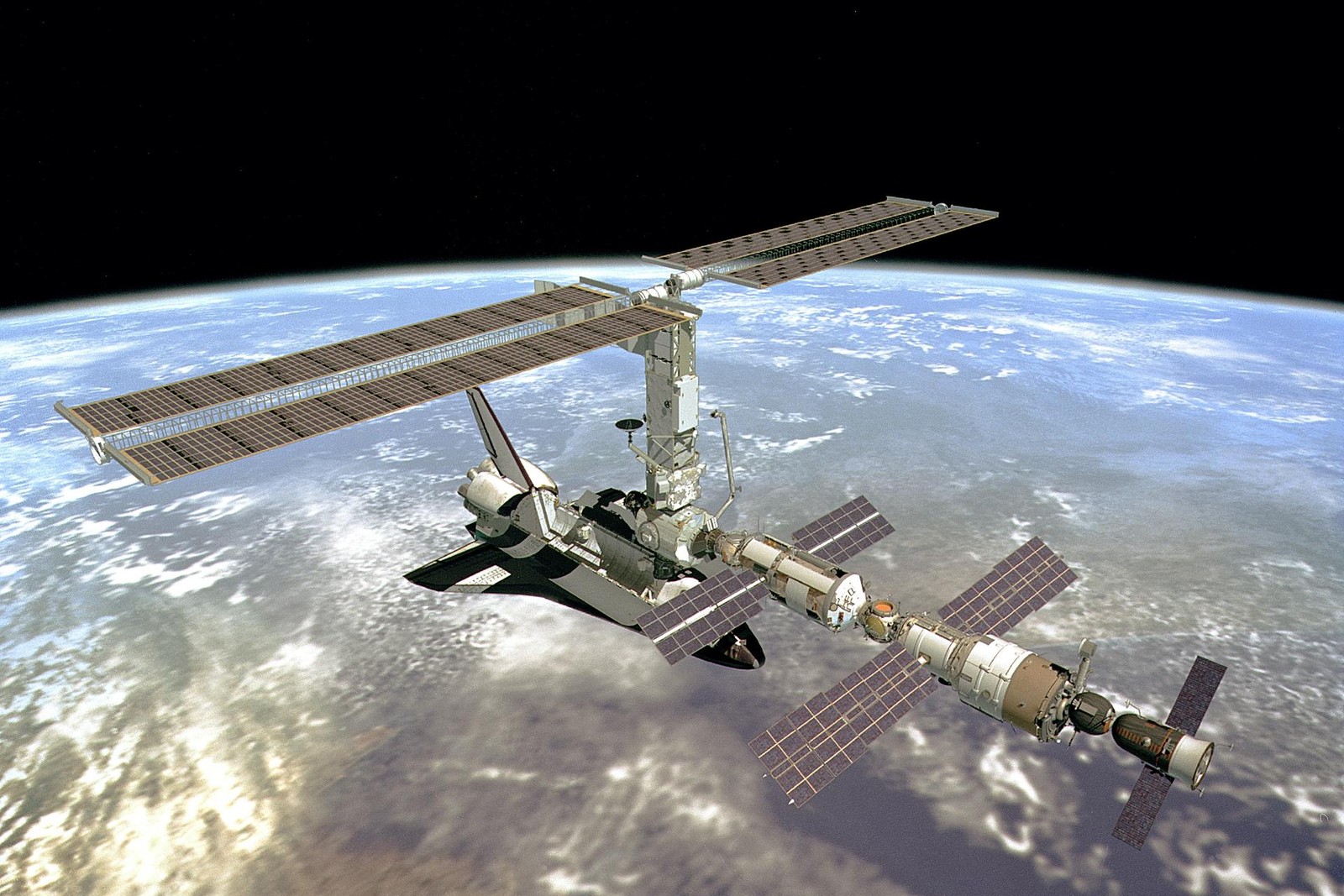
Meanwhile in low-Earth orbit, the Starship upper stage docked autonomously with an uncrewed propellant tanker launched on a preceding mission, transferring 150 metric tons of densified liquid methane and liquid oxygen across pressurized cryogenic transfer manifolds—a feat never before accomplished in the history of spaceflight.
Retiring Artemis III’s Greatest Technological Risk
For years, aerospace engineers and congressional oversight committees identified in-orbit cryogenic fluid management as the most formidable technical barrier confronting NASA’s Artemis Program. Because reaching lunar orbit with an 85-metric-ton human-landing vehicle requires unprecedented propellant reserves, Starship must launch dry into low-Earth orbit and refuel prior to translunar injection.
Handling sub-zero cryogenic liquids in zero gravity presents notorious thermodynamic hazards: fluids float away from suction intakes, boil off into gaseous vapors, and create dangerous thermal cavitation within transfer pumps.
During today’s test, SpaceX engineers utilized internal settle-thrust ullage thrusters alongside active vapor-cooling circulation pumps, maintaining propellant density with less than 0.04% boil-off loss throughout the 42-minute transfer sequence.
Translunar Injection Relight Confirms Deep-Space Capability
Once fueling telemetry confirmed full tank pressurization, Starship decoupled from the tanker and reignited its three center sea-level Raptors alongside three vacuum-optimized Raptor engines for a full 4-minute burn, propelling the spacecraft out of low-Earth orbit into an elliptical translunar rehearsal trajectory.
“Today, Starship proved it is not just a rocket; it is a viable interplanetary transportation infrastructure,” stated NASA Administrator Bill Nelson. “By conquering orbital cryogenic transfer, SpaceX and NASA have cleared the single largest technological hurdle standing between our astronauts and the lunar South Pole on Artemis III.”
| Mission Milestone | Starship Flight 10 Performance Metric |
|---|---|
| Launch Vehicle | Starship Version 3 (Ship 36 / Booster 15) |
| Liftoff Thrust | 17.2 Million Pounds (33 Raptor 3 Engines) |
| Booster Recovery | Starbase Tower Chopstick Catch (T+6m 52s) |
| Cryogenic Transfer Volume | 150.4 Metric Tons (Liquid Methane & LOX) |
| Boil-Off Retention | 99.96% Cryogenic Density Preserved |
| Translunar Burn Duration | 248 Seconds (6 Vacuum & Center Raptors) |
| Mission Objective | Artemis III Human Landing System (HLS) Certification |
With orbital propellant transfer flight-proven, SpaceX confirmed its next objective: Flight 11 will demonstrate long-duration cryogenic storage in deep space, setting the stage for the first uncrewed Starship lunar landing touchdown scheduled for late 2026.
Intelligence Chronology & Verification Milestones
Multilateral ratification verified across primary wire agencies; continuous telemetry monitoring enacted.
Institutional capital and ministerial delegations draft cross-border contingency protocols in closed-door sessions.
Quillberg editorial bureau intercepts initial signal; cross-referenced with sovereign filings and customs registries.
Cite This Dispatch & Link Back
Quoting, analyzing, or covering this story in your publication, academic research, or blog? Use this formatted citation to link back directly to the verified source:
[Quillberg News: SpaceX Starship Achieves In-Orbit Cryogenic Propellant Transfer](https://quillberg.com/spacex-starship-flight-10-orbital-cryogenic-refueling-lunar-insertion-2026)
📰 Related Strategic Intelligence
More in Tech → Tech
SpaceX Starship Flight 9 Achieves Flawless Orbital Propellant Transfer
 Tech
NASA Artemis III Achieves Historic Orbital Propellant Transfer in Lunar
 Tech

