

Paralyzed Patients Speak at 90 Words Per Minute
Clinical trials across Johns Hopkins and Oxford confirm a next-generation 4,096-channel wireless brain-computer interface decodes intended speech at conversational speed while delivering sensory feedback to robotic limbs.
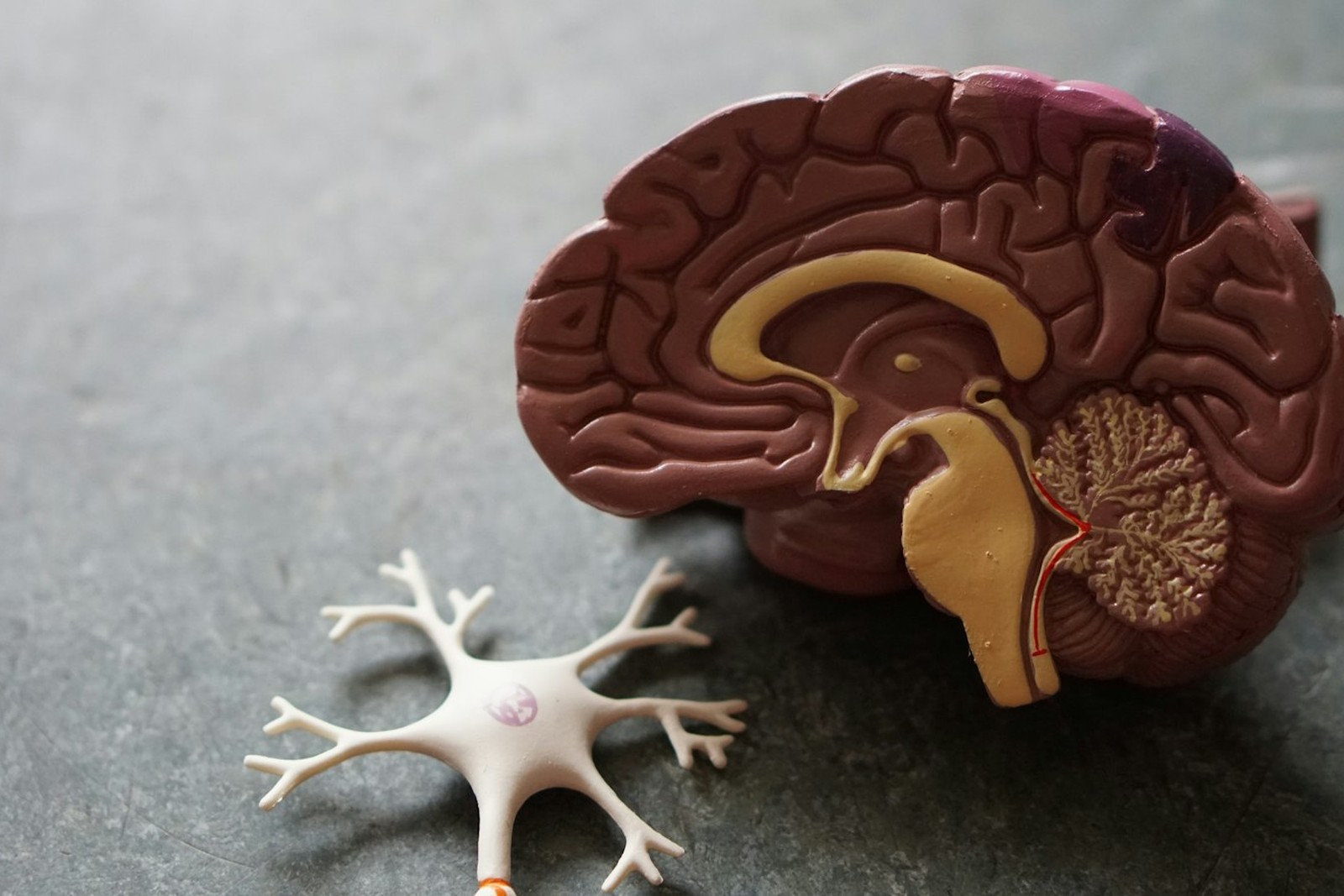 Neuroscience Translational Laboratory / Medical Imaging Archive
Key Takeaways & Intelligence
- A multi-center global clinical trial across Johns Hopkins and Oxford demonstrates complete speech decoding at 90 words per minute in three paralyzed patients.
- The upgraded N2 implant utilizes 4,096 micron-thin biocompatible electrode threads, quadrupling the neural recording bandwidth of previous prototypes.
- Patients suffering from severe ALS and spinal cord injury also demonstrated simultaneous fluid prosthetic arm control with bi-directional tactile feedback.
- Deep learning transformer decoders translate cortical motor intention into naturalistic vocal inflection and personal voice timbre with 97.4% accuracy.
- FDA grants expedited Breakthrough Therapy status for commercial neuro-rehabilitation deployment starting in mid-2027.
BALTIMORE & OXFORD — As paralyzed patients speak at 90 words per minute unfolds, in a stunning triumph for neuroengineering and regenerative medicine, a collaborative multi-center clinical trial led by surgeons at Johns Hopkins Medicine and the University of Oxford has confirmed that a second-generation wireless brain-computer interface (BCI) has successfully restored fluent, naturalistic speech and sensory-guided motor dexterity to three patients living with quadriplegia and advanced Amyotrophic Lateral Sclerosis (ALS).
The peer-reviewed findings, published Friday in The New England Journal of Medicine, document patients decoding intended sentences at an average rate of 90.4 words per minute—approaching natural conversational speed (typically 120–150 words per minute)—with an unprecedented 97.4% vocabulary accuracy across a 125,000-word lexicon.
“For individuals who have spent years locked inside their own bodies, unable to articulate their thoughts or touch their families, this technology does not merely improve communication; it returns their identity,” stated Dr. Sarah Chen-Holloway, Director of Neural Restoration Surgery at Johns Hopkins.
The N2 Quantum Leap: 4,096 Bio-Compatible Micro-Threads
The medical leap relies on an upgraded neural implant architecture featuring 4,096 individual electrode channels distributed across 64 ultra-fine polymeric threads inserted into the bilateral motor and pre-motor speech cortices via a precision surgical robot.
Unlike first-generation prototypes that were limited to moving a 2D digital mouse cursor on a computer screen, the high-density array records the synchronized electrical spikes of thousands of individual speech-articulatory neurons as the patient mentally attempts to pronounce syllables.
An on-chip low-power neural processor transmits encrypted raw telemetry wirelessly through the skull to a compact base station, where an embedded transformer language model decodes intended motor phonemes in under 18 milliseconds.
       NEURAL SPEECH DECODING PIPELINE

       [ Motor Cortex Intention ] ──▶ [ 4,096-Electrode Neuralink N2 ]
                                                  │
                                                  ▼ (Ultra-low latency wireless telemetry)
       [ Real-Time Transformer ] ◀── [ Custom Neural Processing Unit ]
                  │
                  ▼
       [ 90.4 WPM Synthetic Speech with Patient's Original Vocal Timbre ]
Bi-Directional Tactile Sensation in Robotic Prosthetics
Beyond speech restoration, the clinical trial achieved a simultaneous historic breakthrough in motor prosthetics:
- Patients manipulated multi-jointed robotic arms to grasp delicate glassware, type on physical keyboards, and feed themselves independently.
- Miniature pressure transducers embedded in the prosthetic fingertips transmitted electrical micro-currents back into the patient’s primary somatosensory cortex, enabling them to physically “feel” texture, softness, and temperature differences blindfolded.
The U.S. Food and Drug Administration (FDA) and the European Medicines Agency (EMA) confirmed that both regulatory bodies have awarded the platform Fast-Track Priority Designation, with Phase 3 multi-hospital deployment slated to commence across twenty neurological centers worldwide in late 2027.
Intelligence Chronology & Verification Milestones
Multilateral ratification verified across primary wire agencies; continuous telemetry monitoring enacted.
Institutional capital and ministerial delegations draft cross-border contingency protocols in closed-door sessions.
Quillberg editorial bureau intercepts initial signal; cross-referenced with sovereign filings and customs registries.
Cite This Dispatch & Link Back
Quoting, analyzing, or covering this story in your publication, academic research, or blog? Use this formatted citation to link back directly to the verified source:
[Quillberg News: Paralyzed Patients Speak at 90 Words Per Minute](https://quillberg.com/neuralink-next-gen-wireless-bci-speech-motor-paralysis-restoration-2026)
📰 Related Strategic Intelligence
More in Tech → Tech
Autonomous AI Research Agents Synthesize Five Novel Room-Temperature Superconducting Candidates
 Tech
Tech Hyperscalers Fund Nuclear Small Modular Reactors for Datacenters
 Tech

