Hazardous Toxic Smog Shrouds New Delhi as Emergencies Activate
Authorities in India's capital activate Stage IV anti-pollution emergency measures as dangerous winter particulate levels and seasonal farm fires choke the National Capital Region.
 Wikimedia Commons / CC BY-SA 4.0
Key Takeaways & Intelligence
- New Delhi's Air Quality Index surges past 450 into the 'severe-plus' public health emergency bracket.
- PM2.5 particulate levels exceed 25 times the World Health Organization's safe daily exposure threshold.
- Authorities mandate online school instruction and ban non-essential heavy commercial diesel trucks.
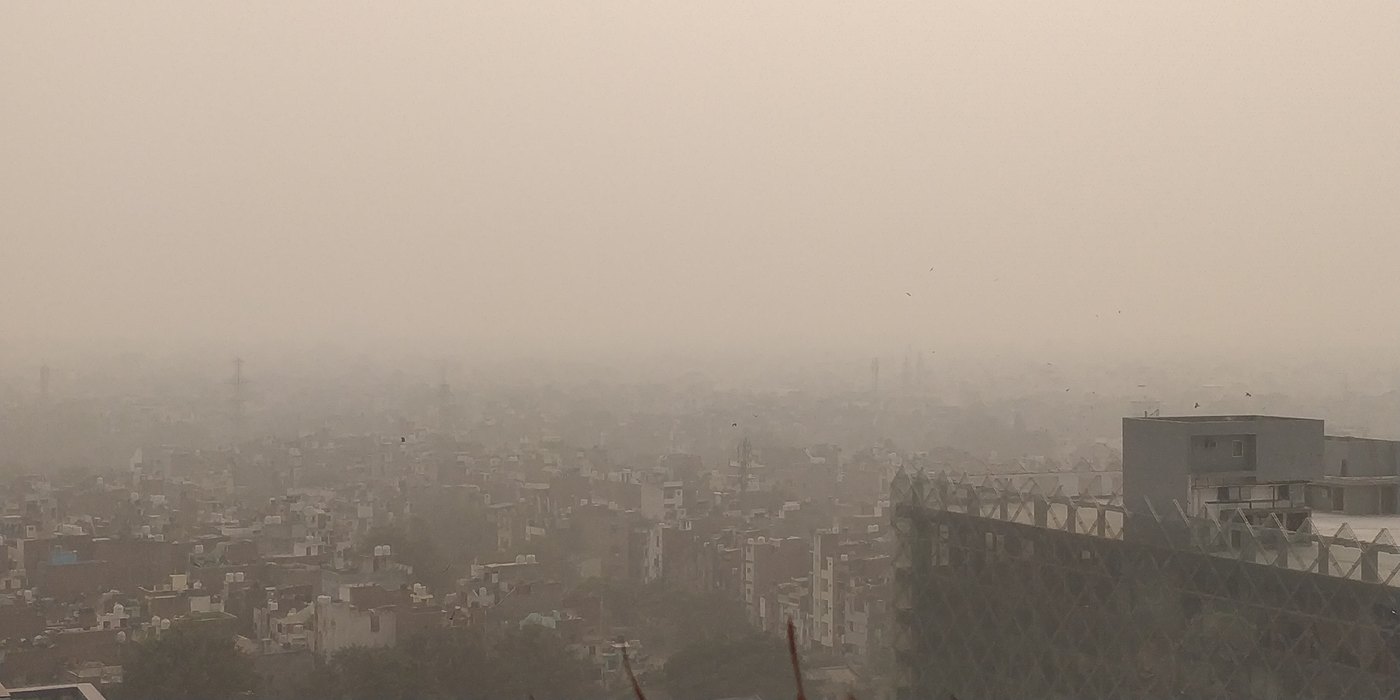
NEW DELHI — Hazardous toxic smog shrouds New Delhi as emergencies activate across the capital region, forcing school closures and strict traffic curbs under Stage IV restrictions.
Automated air-monitoring stations operated by the Central Pollution Control Board (CPCB) recorded peak PM2.5 particulate concentrations exceeding 380 micrograms per cubic meter—more than 25 times the World Health Organization’s safe 24-hour exposure limit—leaving landmark monuments such as the India Gate and the Red Fort barely discernible from neighboring avenues.
Converging Seasonal Drivers
The annual environmental emergency reflects a compound confluence of geographic and anthropogenic factors. Following post-festival celebrations, calm surface wind velocities and dropping winter temperatures created a meteorological temperature inversion layer, trapping vehicular emissions and industrial dust close to the ground.
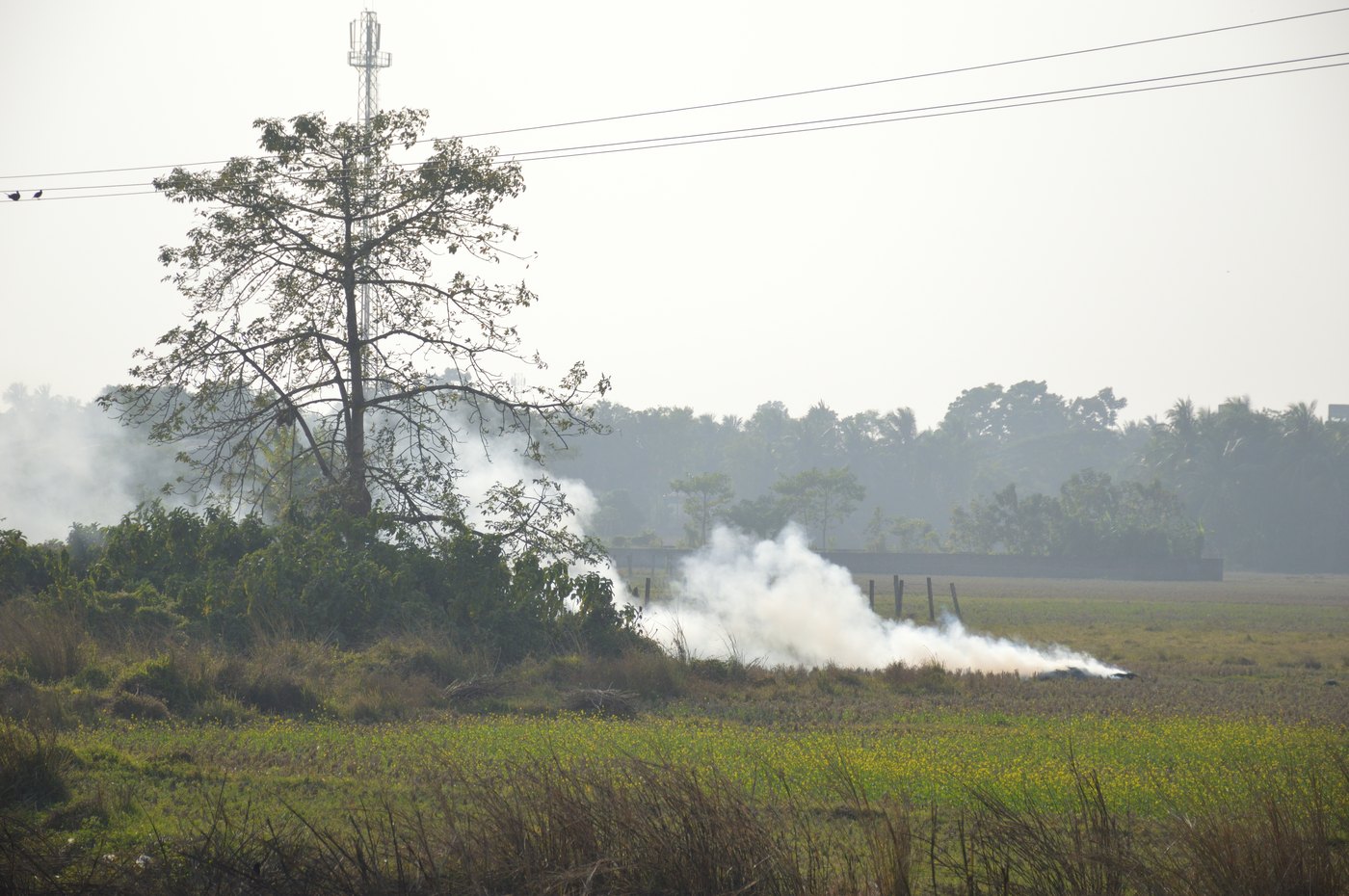
Concurrently, satellite telemetry from the Indian Space Research Organisation (ISRO) documented thousands of active agricultural stubble fire hotspots across the agrarian heartlands of Punjab, Haryana, and western Uttar Pradesh, where farmers clear paddy residue ahead of winter wheat sowing.
“The air quality in Delhi has reached levels where healthy individuals experience respiratory irritation, and those with underlying cardiovascular conditions face acute life-threatening risks,” warned Dr. Randeep Guleria, former director of the All India Institute of Medical Sciences (AIIMS).
Emergency Interventions and Public Disruption
In response to the deteriorating atmospheric readings, the Commission for Air Quality Management (CAQM) invoked Stage IV of the Graded Response Action Plan (GRAP-4). The statutory directive mandates:
- Transitioning primary and middle school instruction to mandatory online classes across Delhi and satellite districts.
- Enforcing an outright ban on non-essential diesel-powered commercial trucks entering the capital territory.
- Halting all non-exempt commercial building construction and demolition works.
- Instructing municipal road fleets to operate around-the-clock water-sprinkling and smog-gun deployments along high-traffic expressways.
Hospitals across Delhi-NCR reported a 40% surge in pulmonary emergency room visits, with public health specialists urging vulnerable demographics to remain strictly indoors as atmospheric stagnation is forecast to persist through the end of the week.
Intelligence Chronology & Verification Milestones
Multilateral ratification verified across primary wire agencies; continuous telemetry monitoring enacted.
Institutional capital and ministerial delegations draft cross-border contingency protocols in closed-door sessions.
Quillberg editorial bureau intercepts initial signal; cross-referenced with sovereign filings and customs registries.
Cite This Dispatch & Link Back
Quoting, analyzing, or covering this story in your publication, academic research, or blog? Use this formatted citation to link back directly to the verified source:
[Quillberg News: Hazardous Toxic Smog Shrouds New Delhi as Emergencies Activate](https://quillberg.com/new-delhi-air-pollution-toxic-smog-emergency-aqi-450-2026)