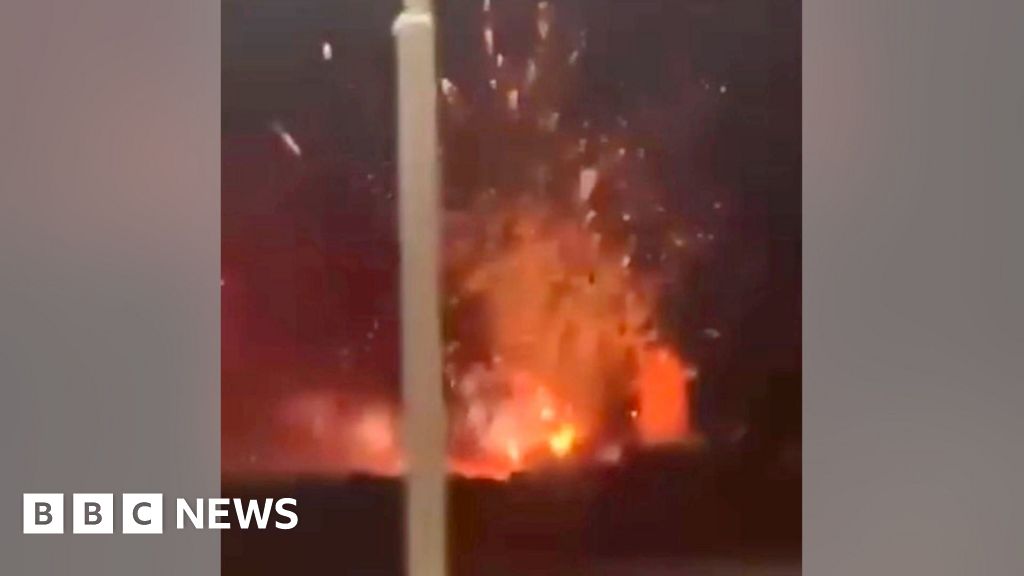
Russian Cargo Vessel Catches Fire in Gulf of Finland Following Drone Attack
The Russian merchant ship Sparta II burst into flames near international shipping lanes in the Gulf of Finland after sustaining an apparent maritime drone strike. Estonian and Finnish maritime rescue teams confirmed all sixteen Russian crew members were safely evacuated as naval forces monitor surrounding waters.
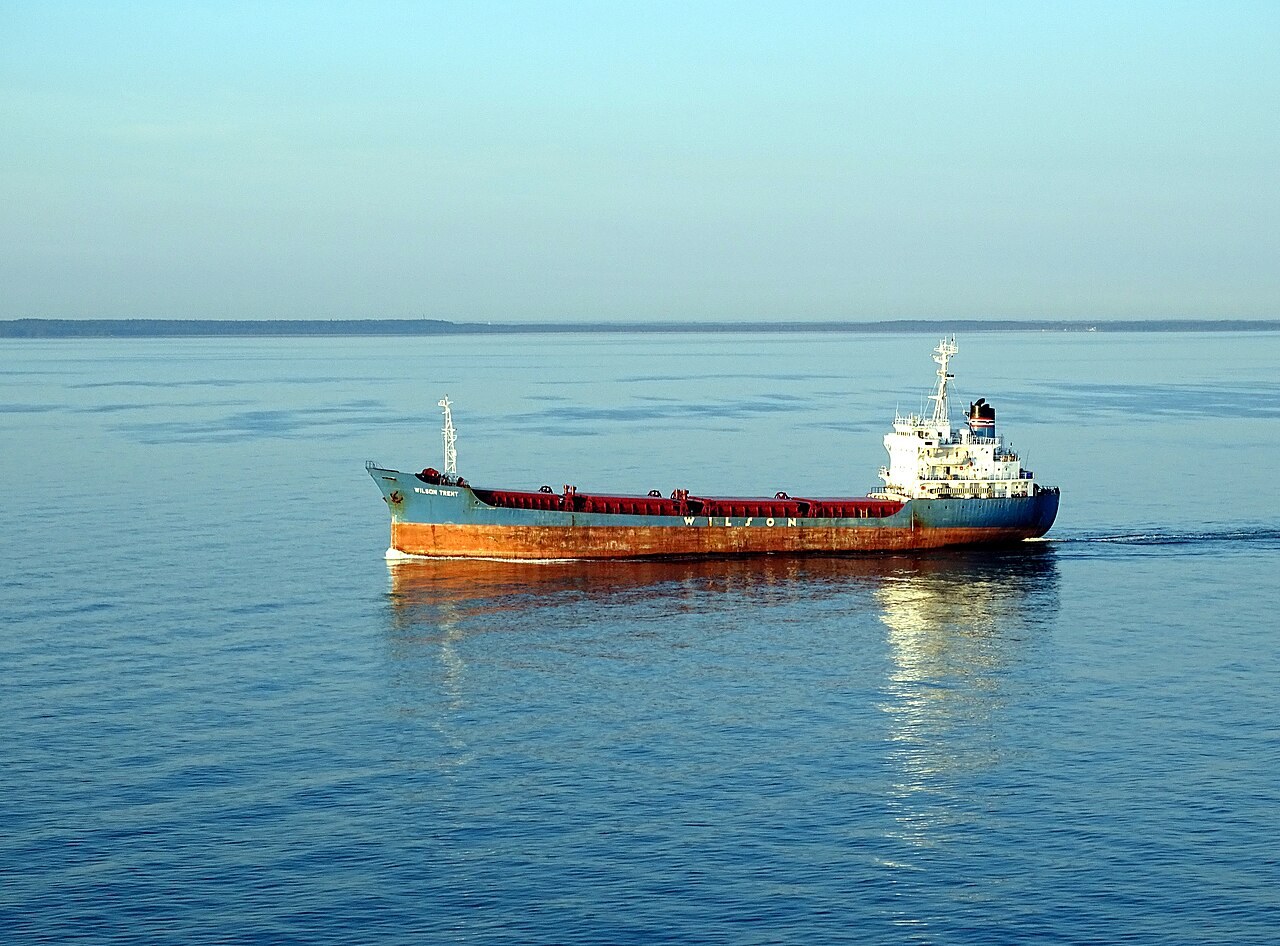 Ad Meskens / Wikimedia Commons / CC BY-SA 3.0
Key Takeaways & Intelligence
- The Russian cargo ship Sparta II suffered major hull explosions and fires following an early morning maritime drone impact in the Gulf of Finland.
- All 16 Russian crew members aboard were safely rescued and transferred to escort cutters without reported fatalities.
- Finnish and Estonian maritime rescue coordinating centers deployed patrol boats and environmental containment booms to safeguard commercial shipping lanes.
- The incident marks an unprecedented geographical expansion of maritime kinetic warfare deep into the northern Baltic navigation corridors.
HELSINKI — A Russian commercial cargo vessel, the Sparta II, burst into violent flames in international waters within the Gulf of Finland on Monday morning following what naval monitors and regional coast guards describe as a coordinated long-range maritime drone strike, triggering an immediate emergency mobilization across Nordic and Baltic naval commands.
The 9,000-deadweight-ton roll-on/roll-off cargo carrier, which has previously faced Western sanctions for transporting dual-use military equipment, was transiting westward between the Finnish and Estonian maritime Exclusive Economic Zones (EEZ) when multiple low-profile unmanned surface vessels (USVs) detonated against its starboard hull.
The Finnish Border Guard and the Estonian Joint Rescue Coordination Centre (JRCC Tallinn) immediately scrambled offshore patrol vessels, environmental containment craft, and search-and-rescue helicopters to the distress coordinates, approximately 28 nautical miles south of Helsinki.
All sixteen Russian crew members aboard the Sparta II were successfully evacuated onto nearby tugboats and emergency rescue cutters before fires engulfed the vessel’s superstructure and lower cargo decks. Regional hospital authorities confirmed that while four crew members suffered moderate smoke inhalation, no fatalities have been recorded.
“Our primary operational imperative was ensuring the safety of human life at sea and deploying environmental containment booms to mitigate any fuel oil contamination,” a spokesperson for the Finnish Coast Guard stated during a midday briefing in Helsinki. “Thermal imaging surveillance indicates contained structural fires on board, and commercial traffic along the main Gulf of Finland shipping channel continues under heightened navigational advisories.”
Moscow’s Ministry of Transport condemned the strike as an act of international piracy, alleging that the drones were launched from covert sea platforms operating under Ukrainian military intelligence auspices. Neither Kyiv nor Western defense ministries have officially claimed operational responsibility for the assault.
The strike marks an unprecedented escalation in maritime conflict geography, demonstrating that commercial and logistics supply lines serving Russian Baltic ports like St. Petersburg, Ust-Luga, and Kaliningrad are no longer insulated from asymmetric drone warfare. Shipping insurers across Lloyd’s of London and Scandinavian mutual clubs immediately placed Baltic navigation routes under emergency review, warning of imminent war-risk premium hikes.