

Humanitarian Aid Agencies Issue Urgent Appeal as Famine Threatens
Humanitarian organizations warn that funding deficits, frontline blockades, and spreading famine threaten millions of displaced families across war-ravaged Sudan as fighting intensifies.
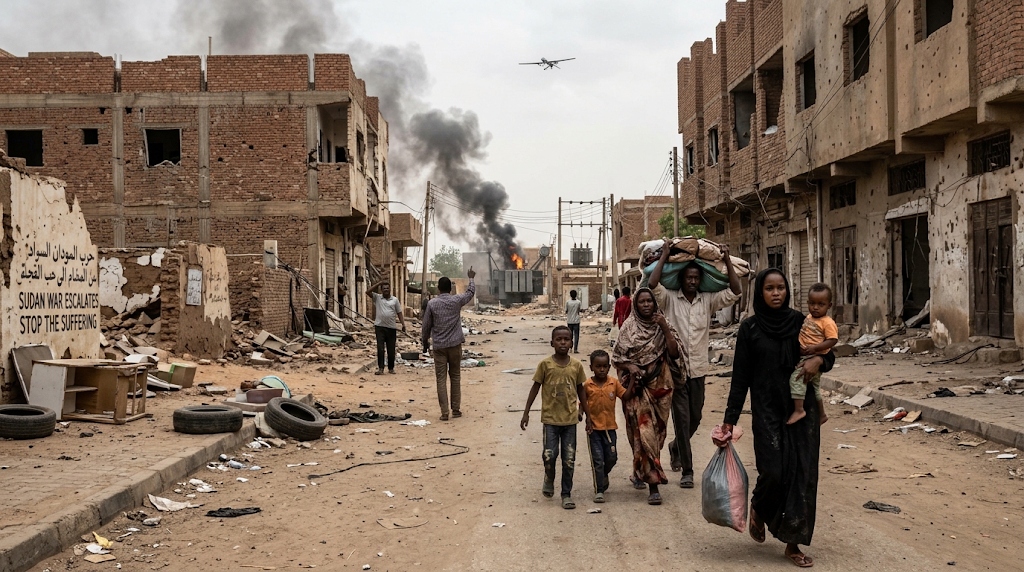 Representative / Conflict Zone Humanitarian Report
Key Takeaways & Intelligence
- United Nations agencies and frontline relief organizations in Geneva issued an urgent warning that humanitarian operations in Sudan face imminent paralysis.
- Sudan represents the world's largest displacement crisis, with more than 11 million people internally displaced and over 3 million seeking refuge in neighboring states.
- Acute food insecurity grips over 25 million Sudanese, with famine conditions confirmed in North Darfur's Zamzam camp and imminent famine risk spreading across Gezira and Khartoum.
- The UN Humanitarian Response Plan for Sudan faces a severe deficit, having secured barely half of its $2.7 billion budget requirement.
- Humanitarian directors demand that warring military factions guarantee unhindered cross-border and cross-line aid corridors, specifically preserving the vital Adré crossing from Chad.
PORT SUDAN & GENEVA — Humanitarian aid agencies issue an urgent appeal as famine threatens millions of displaced families across war-torn Sudan amid mounting funding deficits.
Nineteen months into the brutal conflict between the Sudanese Armed Forces (SAF) and the paramilitary Rapid Support Forces (RSF), the humanitarian catastrophe has deepened into what the UN classifies as the world’s largest displacement and hunger emergency.
More than 11 million people have been forced from their homes within Sudan’s borders, while over 3 million refugees have fled into neighboring nations including Chad, South Sudan, Egypt, and Ethiopia.
“We are witnessing an unprecedented collapse of human survival systems across an entire nation,” declared senior coordinators from the UN Office for the Coordination of Humanitarian Affairs (OCHA). “Frontline teams are operating under fire, with exhausted supply lines, depleted fuel reserves, and funding envelopes that cover barely a fraction of the population staring down catastrophic starvation.”
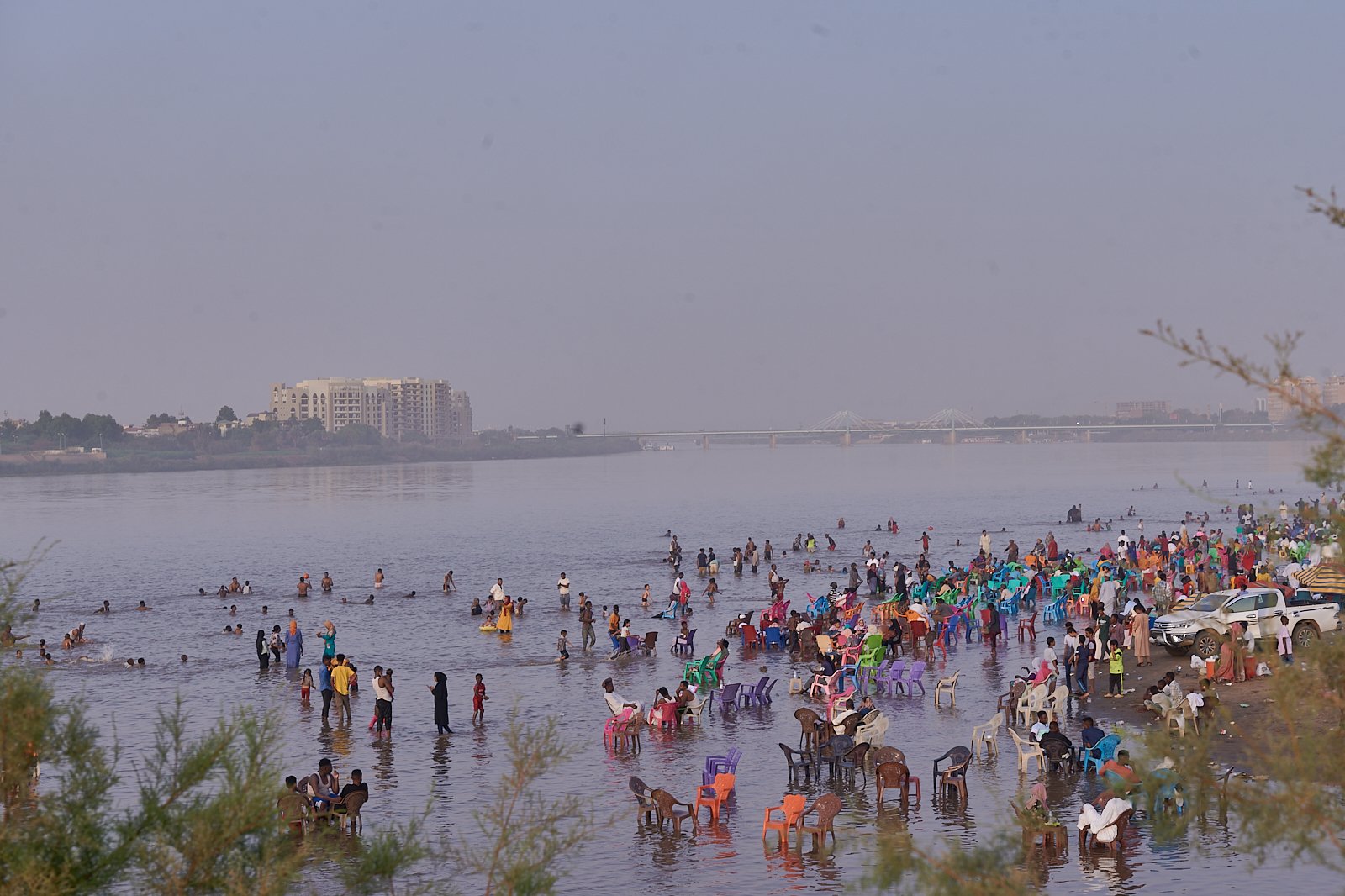 Photo: Evon2023 / SARIOMER / Wikimedia Commons (CC0 1.0)
Famine Spreads Beyond Darfur: The Anatomy of Hunger
The primary driver of the humanitarian alert is the rapid proliferation of acute malnutrition. According to the Integrated Food Security Phase Classification (IPC), over 25.6 million people—more than half of Sudan’s total population—face Phase 3 (Crisis) or higher levels of food insecurity.
Famine (IPC Phase 5) was officially confirmed earlier this year in the sprawling Zamzam displacement camp outside El Fasher in North Darfur, home to over 500,000 traumatized civilians. Relief monitors warn that similar catastrophic hunger thresholds are now breaching besieged towns across Darfur, Kordofan, and agricultural heartlands in Al Jazirah state.
| Humanitarian Metric | Reported Figures | Source & Field Verification |
|---|---|---|
| Internally Displaced Persons (IDPs) | > 11.2 Million | International Organization for Migration (IOM) |
| Cross-Border Refugees | > 3.1 Million | UN Refugee Agency (UNHCR) |
| Populations Facing Acute Hunger | 25.6 Million | Integrated Food Security Phase Classification (IPC) |
| UN Humanitarian Appeal Funding | ~54.8% | $1.48B received against $2.7B requested (OCHA) |
| Non-Operational Health Facilities | Over 75% | World Health Organization (WHO) conflict zone audit |
Source: United Nations OCHA, IOM Displacement Tracking Matrix, and World Health Organization field reports.
The agricultural economy has been devastated. In Al Jazirah, historically known as Sudan’s breadbasket, violent militia raids, tractor looting, and destruction of major irrigation canals along the Blue Nile have wiped out grain harvests, turning productive farming communities into aid-dependent hunger pockets.
Health System Implosion and Disease Outbreaks
Compounding the food shortage is the near-total dismantling of Sudan’s medical infrastructure:
- Targeted Health Infrastructure: More than 75% of public hospitals and clinics in conflict zones have been bombed, shelled, looted, or abandoned due to direct threats against medical personnel.
- Cholera and Waterborne Epidemics: Overcrowded, unsanitary displacement encampments in Kassala, Gedaref, and River Nile states are battling severe cholera outbreaks, exacerbated by monsoon flooding and sewage contamination of municipal wells.
- Malnutrition Among Children: UNICEF estimates that over 730,000 children are suffering from severe acute malnutrition (SAM) with medical complications, putting them at immediate risk of death without therapeutic feeding formulas.
Local emergency response rooms (ERRs)—grassroots youth and neighborhood volunteer networks that have sustained community soup kitchens across Khartoum and Omdurman—report that their volunteers are being systematically harassed, detained, and shot at by both warring factions.
Blockades and the Battle for Aid Corridors
Humanitarian directors stressed that funding shortages are aggravated by deliberate military obstruction. Both the SAF-aligned government in Port Sudan and RSF field commanders have used access to food and humanitarian corridors as tactical weapons of war:
- The Adré Border Lifeline: The reopening of the Adré border crossing from Chad provided a brief humanitarian corridor into famine-stricken Darfur, allowing hundreds of aid trucks carrying grain and therapeutic nutrition to reach distribution hubs. However, aid agencies warn that bureaucratic delays, military convoy permits, and armed checkpoints continue to throttle delivery volume.
- Cross-Line Delivery Denial: Moving humanitarian supplies across frontlines from government-controlled eastern regions into RSF-controlled central and western zones remains virtually impossible, with fuel tankers and medicine shipments routinely confiscated.
- Attacks on Aid Workers: Sudan has become one of the deadliest operational environments on earth for humanitarian workers, with dozens of local Red Crescent staff, community volunteers, and international NGO personnel killed or assaulted since the conflict began.
Urgent Appeal to Global Donors
Addressing donor capitals in North America, Europe, and the Gulf, UN envoys warned that failing to mobilize immediate resources before the dry season escalates clashes will result in hundreds of thousands of preventable deaths.
“The world cannot look away while an entire nation is systematically starved and dismantled,” the UN appeal concluded. “Humanitarian workers are prepared to risk their lives on the ground, but without funding for emergency food, clean water, and unhindered humanitarian access, we are being forced to decide which starving children receive treatment and which do not.”
Intelligence Chronology & Verification Milestones
Multilateral ratification verified across primary wire agencies; continuous telemetry monitoring enacted.
Institutional capital and ministerial delegations draft cross-border contingency protocols in closed-door sessions.
Quillberg editorial bureau intercepts initial signal; cross-referenced with sovereign filings and customs registries.
Cite This Dispatch & Link Back
Quoting, analyzing, or covering this story in your publication, academic research, or blog? Use this formatted citation to link back directly to the verified source:
[Quillberg News: Humanitarian Aid Agencies Issue Urgent Appeal as Famine Threatens](https://quillberg.com/sudan-war-aid-funding-warning-november-2026)
📰 Related Strategic Intelligence
More in World → World
Kyiv Negotiates Urgent Starshield Satellite Extension with Pentagon to Safeguard
 Business
Central Banks Warn Sovereign Debt Overhang Threatens Long-Term Price Stability
 Tech

