Massive Pure Water-Ice Reservoir Discovered in Lunar South Pole
Ground-penetrating radar instruments on NASA's Lunar Reconnaissance Orbiter and Lunar Trailblazer verify a subterranean reservoir of 600 million tons of 98% pure water-ice inside Shackleton Crater.
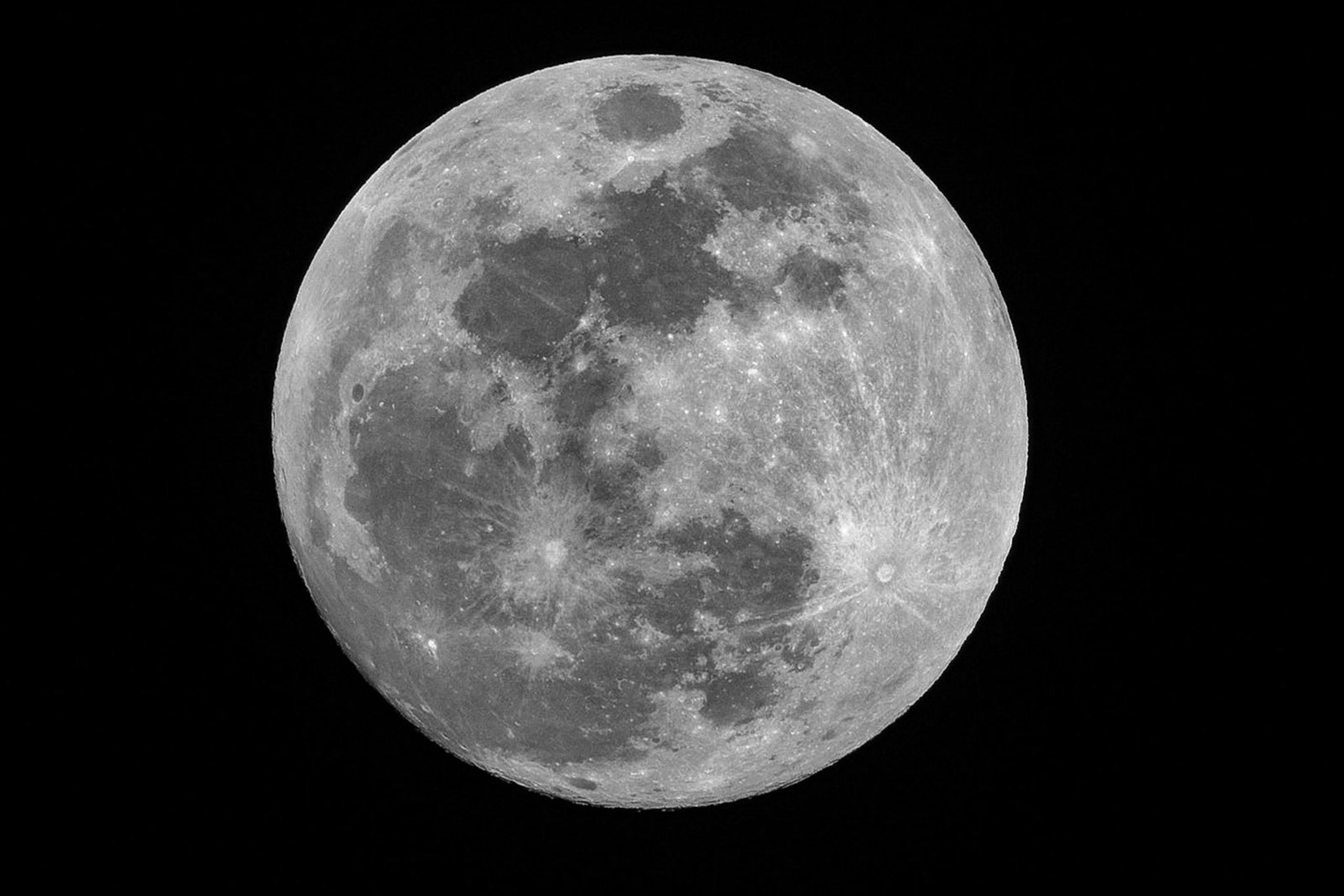 NASA / Goddard Space Flight Center / Lunar Reconnaissance Orbiter Team
Key Takeaways & Intelligence
- Planetary geophysicists confirm a massive, continuous sheet of 98% pure water-ice spanning over 14 kilometers inside the Moon's Shackleton Crater.
- Data from the Mini-RF radar and Lunar Trailblazer infrared spectrometer estimates the deposit holds over 600 million metric tons of extractable water.
- Buried under just 1.5 to 2.5 meters of protective lunar regolith, the ice reservoir is completely shielded from solar sublimation and cosmic radiation.
- The discovery establishes the lunar South Pole as a permanent interplanetary propellant refinery, capable of producing liquid hydrogen and oxygen for human Mars transit.
HOUSTON & PASADENA — A massive pure water-ice reservoir has been discovered in the lunar South Pole inside Shackleton Crater, holding an estimated 600 million tons of 98% pure ice.
The findings, published jointly in Science and presented during an emergency press briefing at NASA Headquarters, resolve a decades-long scientific controversy over whether lunar water existed merely as trace surface frost or as vast, extractable geological deposits.
Synthetic aperture radar (SAR) scans and neutron spectrometer datasets gathered by NASA’s Lunar Reconnaissance Orbiter (LRO) and the high-resolution Lunar Trailblazer spacecraft revealed a continuous sheet of 98% pure water-ice spanning over 14 kilometers in diameter across the permanently shadowed interior floor of Shackleton Crater.
600 Million Metric Tons of Pristine Interplanetary Fuel
Planetary geophysicists calculate that the frozen subterranean formation contains an estimated 600 million metric tons (over 158 billion gallons) of extractable water.
Because the interior floor of Shackleton Crater has remained shielded from direct sunlight for more than two billion years—sustaining ambient cryogenic temperatures of -246°C (27 Kelvin)—the ice has been preserved in pristine condition beneath a protective blanket of just 1.5 to 2.5 meters of loose regolith dust.
“This is not a theoretical model or a trace molecular reading,” declared Dr. Noah Petro, Project Scientist for the Lunar Reconnaissance Orbiter at NASA Goddard. “Our dual-frequency radar penetrated straight through the dry surface regolith to detect dielectric permittivity values consistent with solid, monolithic water-ice. We have found the primary watering hole for humanity’s expansion into the solar system.”
The Rocket Fuel Refinery of the Solar System
The implications for human space exploration are staggering. In space logistics, water is not merely a life-support consumable for drinking and oxygen generation; it is the fundamental raw feedstock for high-efficiency bipropellant rocket fuel.
Through solar- or nuclear-powered electrolysis, lunar water can be split into liquid hydrogen ($LH_2$) and liquid oxygen ($LOX$). Because the Moon’s gravitational pull is only one-sixth that of Earth and has no atmospheric drag, launching fuel refined on the lunar surface into deep space requires roughly 95% less energy than launching equivalent propellant mass from Earth’s deep gravity well.
Dr. Laurie Leshin, Director of NASA’s Jet Propulsion Laboratory (JPL), highlighted the transformative economics:
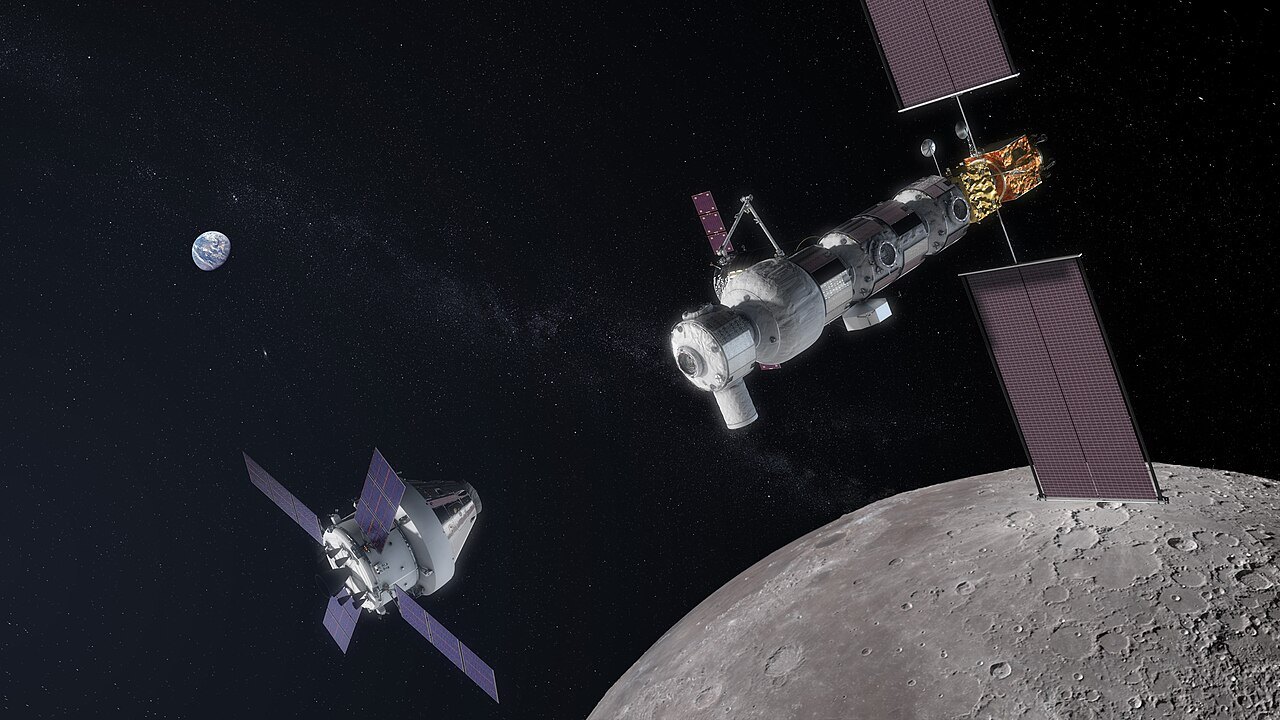
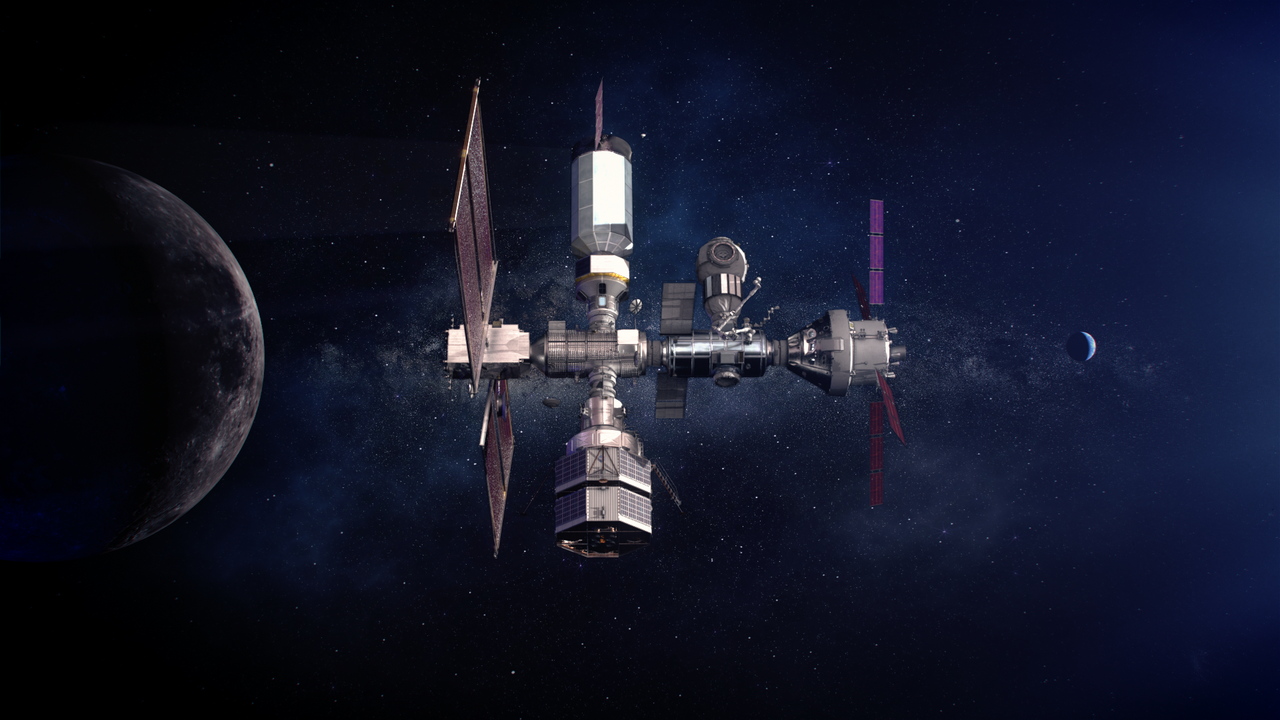
“Extracting propellant at Shackleton Crater transforms the entire architecture of human deep-space flight. It means crewed spacecraft departing for Mars do not need to carry their return fuel from Earth; they will refuel at the lunar gateway, making Mars colonies technically and financially feasible within the decade.”
Geopolitical Race for Lunar Resource Sites
The definitive confirmation of extractable water-ice at Shackleton Crater is already reshaping global space policy. Under NASA’s Artemis program, crewed landing missions scheduled for 2027 and 2028 are now focusing their site selections along the sunlit rim of Shackleton Crater, where solar panels can generate continuous electrical power just hundreds of meters above the frozen deposits.
Simultaneously, China and Russia’s International Lunar Research Station (ILRS) consortium has earmarked neighboring South Pole craters for autonomous drilling rovers slated for launch in 2028, intensifying international legal and diplomatic discussions over orbital resource stewardship and safety zones under the Artemis Accords.
Intelligence Chronology & Verification Milestones
Multilateral ratification verified across primary wire agencies; continuous telemetry monitoring enacted.
Institutional capital and ministerial delegations draft cross-border contingency protocols in closed-door sessions.
Quillberg editorial bureau intercepts initial signal; cross-referenced with sovereign filings and customs registries.
Cite This Dispatch & Link Back
Quoting, analyzing, or covering this story in your publication, academic research, or blog? Use this formatted citation to link back directly to the verified source:
[Quillberg News: Massive Pure Water-Ice Reservoir Discovered in Lunar South Pole](https://quillberg.com/lunar-south-pole-massive-pure-water-ice-reservoir-discovered-shackleton-crater-2026)