Unprecedented Blackout Paralyzes NSA's Classified 'NSANet' Intranet
A catastrophic multi-hour network outage blinds top-secret communications between Fort Meade, the Pentagon, and allied intelligence agencies, sparking an emergency national security investigation.
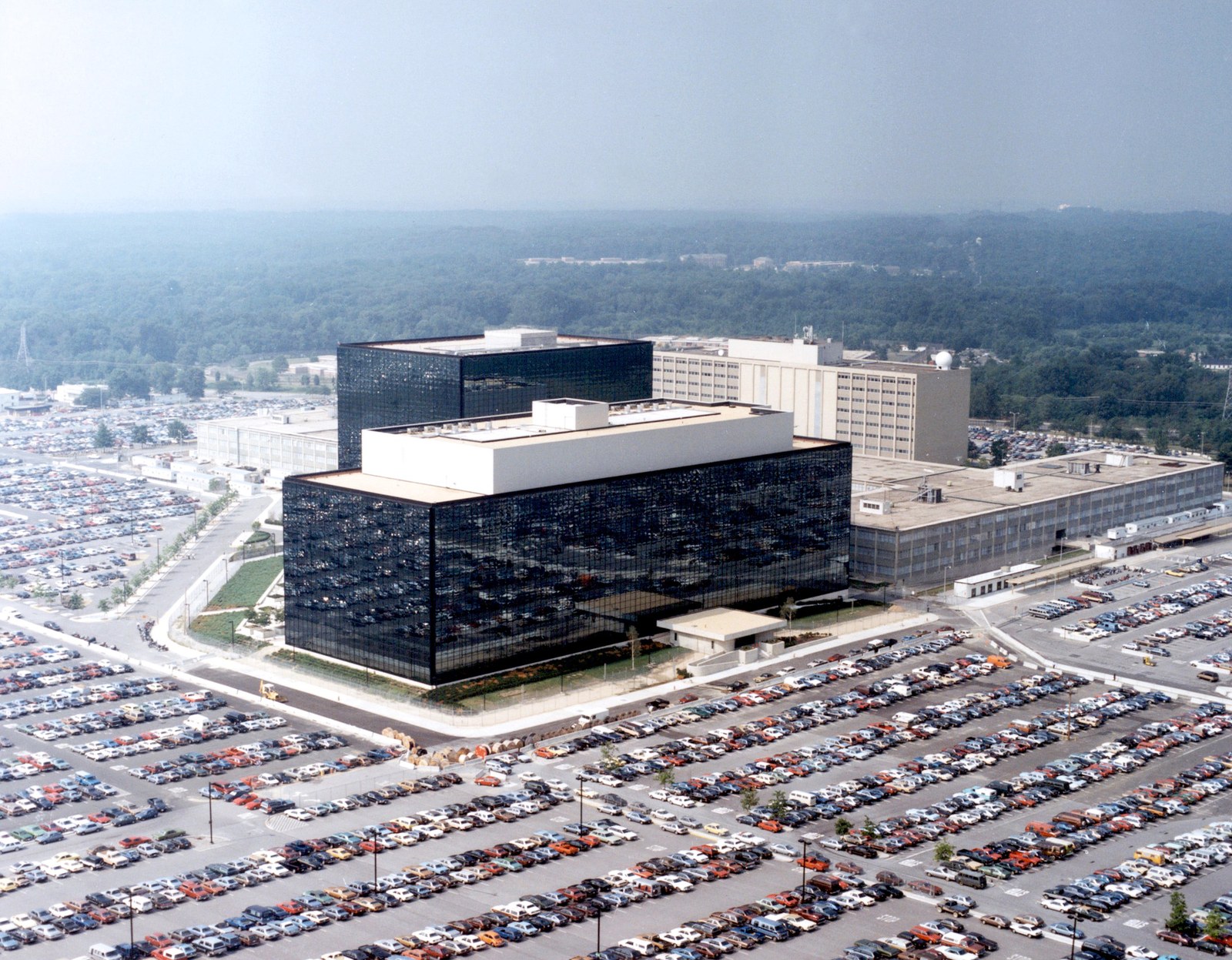 U.S. Department of Defense / NSA Archives
Key Takeaways & Intelligence
- The National Security Agency suffered an unprecedented multi-hour blackout across its premier classified intranet, NSANet.
- The outage temporarily severed top-secret data feeds between Fort Meade, the Pentagon, CIA headquarters, and Five Eyes partners.
- The White House National Security Council convened an emergency crisis task force to evaluate potential foreign cyber intrusions.
- Initial forensics point to a cascading routing table collapse during a cryptographic key infrastructure update, though state-sponsored tampering has not been ruled out.
- Mission-critical SIGINT collection pipelines were rerouted through air-gapped optical bypass circuits without reported data loss.
FORT MEADE, Md. / WASHINGTON — In an extraordinary security incident that has alarmed national defense leaders across Western capitals, the National Security Agency (NSA) experienced a massive, catastrophic system blackout across its premier classified communications backbone, NSANet, on Tuesday night and early Wednesday morning.
The multi-hour network collapse temporarily severed access to top-secret compartmentalized intelligence feeds connecting NSA headquarters at Fort Meade with the Pentagon, the Central Intelligence Agency (CIA) in Langley, Virginia, the White House Situation Room, and allied intelligence hubs across the Five Eyes alliance (the United Kingdom, Canada, Australia, and New Zealand).
The failure of the United States’ most heavily guarded signals intelligence (SIGINT) intranet prompted the immediate activation of Continuity of Operations (COOP) protocols, sending shockwaves through the intelligence community amid heightened geopolitical tensions preceding the upcoming superpower summit in Shenzhen.
Unprecedented Disruption Inside America’s Most Secure Enclave
NSANet is the clandestine digital arterial system through which America processes, analyzes, and disseminates intercepted communications, satellite telemetry, foreign military movements, and real-time cyber threat assessments. Unlike civilian internet infrastructure, NSANet operates within air-gapped, TEMPEST-shielded conduits fortified with quantum-resistant encryption suites.
According to intelligence officials speaking on condition of anonymity, the disruption began at approximately 21:15 EST when primary routing switches across Fort Meade’s subterranean supercomputing nodes stopped acknowledging peer handshake protocols.
Within minutes, terminal access to Sensitive Compartmented Information Facilities (SCIFs) worldwide dropped offline, leaving senior intelligence officers and tactical commanders temporarily reliant on legacy high-frequency radio and hardened point-to-point teletype networks.
1. Scope of the System Paralysis
The blackout impacted several critical analytical pillars of the U.S. defense apparatus:
- Real-Time SIGINT Ingestion: Satellite downlinks and undersea optical fiber taps monitoring foreign military movements experienced ingestion queue backlogs.
- Geospatial Intelligence Feeds: Cross-agency data relays linking the National Reconnaissance Office (NRO) and National Geospatial-Intelligence Agency (NGA) were frozen.
- Five Eyes Intelligence Sharing: The STONEGHOST secure network linking the Five Eyes alliance experienced widespread timeout errors.
2. Internal Firmware Corruption vs. Foreign State-Sponsored Intrusion
An emergency joint task force spearheaded by U.S. Cyber Command (CYBERCOM), the Cybersecurity and Infrastructure Security Agency (CISA), and the FBI has launched a comprehensive digital forensics investigation.
While wild rumors of an unprecedented cyber attack by Russian or Chinese advanced persistent threat (APT) syndicates quickly circulated Capitol Hill, preliminary internal forensic telemetry suggests that a corrupted routing table update deployed during a scheduled post-quantum cryptographic certificate migration may have triggered an uncontrolled broadcast storm across the backbone routers.
However, investigators emphasized that foreign cyber sabotage—specifically via a compromised microcode supply chain or an exploit targeting zero-day hardware vulnerabilities—remains under active scrutiny.
| Incident Parameter | NSANet System Disruption Specification |
|---|---|
| Affected Network | NSANet (Classified Top-Secret / SCI Communications Backbone) |
| Primary Facility | NSA Headquarters Operations Complex, Fort Meade, Maryland |
| Duration of Disruption | Approximately 4 hours and 42 minutes |
| Impacted Nodes | Fort Meade, Pentagon War Room, CIA Langley, Five Eyes partner centers |
| Investigative Agencies | NSA Red Team, US Cyber Command (CYBERCOM), CISA, FBI Cyber Division |
| Current Assessment | Cascading routing table loop during cryptographic key rollout (Sabotage probe active) |
| Data Integrity Status | Air-gapped immutable storage logs intact; zero evidence of external data exfiltration |
3. Five Eyes Coordination and Failsafe Tactical Redirection
As the outage unfolded, Defense Secretary Pete Hegseth and Director of National Intelligence briefed the President and congressional intelligence leaders in an emergency secure video conference.
To prevent tactical blindness across critical geopolitical theaters—including the Taiwan Strait, the Korean DMZ, and Eastern European air defense corridors—U.S. European Command (EUCOM) and Indo-Pacific Command (INDOPACOM) immediately activated secondary air-gapped optical bypass circuits.
“Our redundancy systems performed with exceptional resilience under unprecedented stress,” stated a senior Pentagon spokesperson. “At no point was tactical early-warning radar coverage degraded, nor was nuclear command-and-control communication compromised.”
Congressional Scrutiny and Future Architecture Overhauls
By 02:00 EST Wednesday, NSA system engineers had successfully isolated the offending router cluster, restored core directory databases from immutable offline snapshots, and gradually re-established secure peering with the Pentagon and allied capitals.
Despite the restoration, key members of the Senate and House Intelligence Committees announced plans to hold closed-door hearings to examine how a single routing catastrophe could simultaneously incapacitate the nation’s premier intelligence network.
“This catastrophic failure demonstrates the perilous fragility of centralized digital systems, even those buried beneath layers of top-secret clearance,” stated a senior member of the Senate Armed Services Committee. “We must ensure our intelligence infrastructure is completely immune to both catastrophic internal errors and adversary disruption.”
Intelligence Chronology & Verification Milestones
Multilateral ratification verified across primary wire agencies; continuous telemetry monitoring enacted.
Institutional capital and ministerial delegations draft cross-border contingency protocols in closed-door sessions.
Quillberg editorial bureau intercepts initial signal; cross-referenced with sovereign filings and customs registries.
Cite This Dispatch & Link Back
Quoting, analyzing, or covering this story in your publication, academic research, or blog? Use this formatted citation to link back directly to the verified source:
[Quillberg News: Unprecedented Blackout Paralyzes NSA's Classified 'NSANet' Intranet](https://quillberg.com/nsa-top-secret-nsanet-intelligence-network-blackout-pentagon-probe-2026)