Crude Plunges 7% on Middle East De-escalation
Global crude benchmarks experienced their sharpest one-day drop in months, shedding over 7 percent following diplomatic backchannel breakthroughs in the Middle East. However, equity markets failed to rally as Wall Street buckled under mounting anxiety over trillion-dollar Big Tech artificial intelligence capital spending.
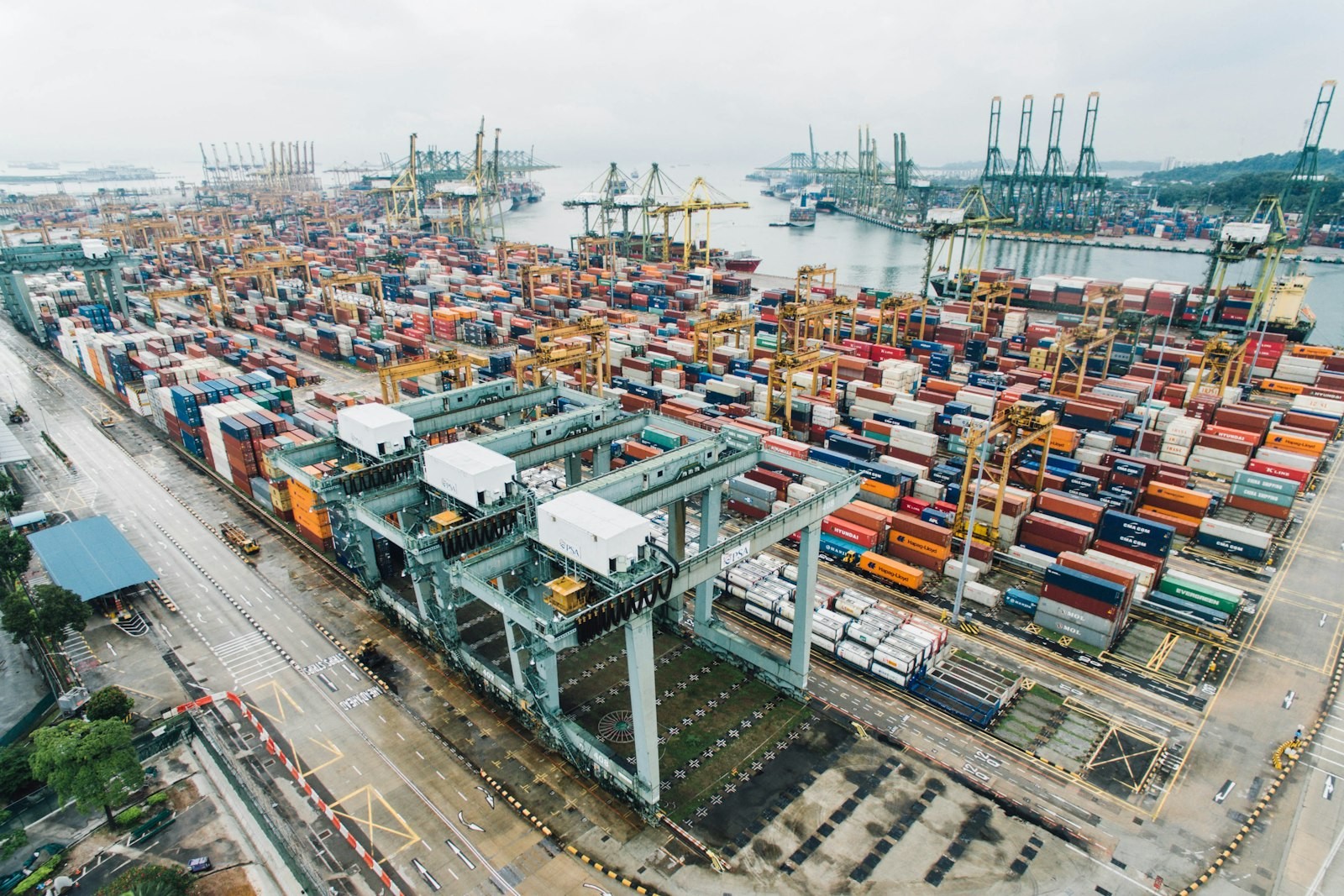
 Zbynek Burival / Unsplash
Key Takeaways & Intelligence
- Brent crude and West Texas Intermediate plunged over 7% as backchannel US-Iran negotiations removed immediate Persian Gulf supply disruption premiums.
- Major equity benchmarks failed to capitalize on tumbling energy costs, weighed down by heavy declines across the tech sector.
- Market participants express rising skepticism as collective annual Big Tech artificial intelligence capital expenditures near $1 trillion.
NEW YORK & FRANKFURT — In textbook economic theory, a sudden, precipitous collapse in global energy prices acts as an immediate stimulus injection for corporate balance sheets and consumer discretionary spending.
Yet when international oil benchmarks tumbled by more than 7 percent across Monday’s trading sessions, Wall Street proved completely incapable of mounting a relief rally.
According to market closing tallies reported by The Wall Street Journal, Brent crude plummeted $5.20 to settle near $71.10 a barrel, while U.S. benchmark West Texas Intermediate (WTI) dropped to $66.85. The downward catalyst was unmistakable: high-level diplomatic mediation and backchannel dialogues between Washington and regional Middle Eastern envoys substantially reduced fears of an immediate kinetic escalation targeting Iranian oil infrastructure or the Strait of Hormuz.
Why Equities Failed to Launch
Under normal macroeconomic regimes, declining fuel costs compress headline inflation prints, giving the Federal Reserve greater latitude to lower borrowing benchmarks.
However, equity bulls were decisively held hostage by a sharp rotation out of mega-cap technology and artificial intelligence infrastructure providers. As total cumulative capital spending by hyperscalers—including Microsoft, Alphabet, Meta, and Amazon—approaches an unprecedented $1 trillion annualized run-rate, institutional investors are demanding clear monetization roadmaps rather than open-ended datacenter construction budgets.
| Financial Instrument / Index | Trading Day Settlement | Daily Change (%) | Primary Market Driver |
|---|---|---|---|
| Brent Crude Oil | $71.12 / barrel | -7.14% | Easing Middle East geopolitical risk premium |
| WTI Light Sweet Crude | $66.85 / barrel | -7.45% | Weakened refinery demand & diplomatic de-escalation |
| Nasdaq Composite | 18,124.50 pts | -1.68% | Sell-off across mega-cap semiconductors & cloud AI |
| S&P 500 Index | 5,720.80 pts | -0.85% | Tech drag offsetting gains in airlines and consumer retail |
| Dow Jones Industrial | 42,110.15 pts | -0.32% | Industrial resilience tempered by cautious election hedging |
| Philadelphia Semiconductor (SOX) | 5,112.40 pts | -2.85% | Investor fatigue over long-dated AI hardware ROI |
The $1 Trillion AI CapEx Reckoning
Technology sector earnings releases over recent quarters have confirmed that major cloud providers are increasing their capital outlays at historic speeds. But as evidenced by recent sharp drops across Big Tech leaders, equity markets are entering what analysts call the “show-me phase” of artificial intelligence.
With depreciation cycles on specialized GPU compute clusters shortening to three to four years, the cost of maintaining modern AI capacity is beginning to compress operating margins across software giants.
“Cheap oil provides welcomed breathing room for transportation and consumer manufacturing, but it cannot offset the gravitational pull of Big Tech when seven stocks account for thirty percent of the index weight,” said Gregory Peters, Chief Investment Officer at PGIM Fixed Income. “When investors look at hyperscaler CapEx exceeding the GDP of major nations without immediate consumer subscription conversions, multiple compression is inevitable.”
Pre-Election Hedging and Central Bank Watch
Adding to market inertia is the cautious posture adopted by hedge funds and multi-asset asset managers heading into the high-stakes U.S. election cycle.
Options market volatility skews indicate portfolio managers have aggressively bought downside protective puts rather than deploying fresh capital into dip-buying. Investors now await the upcoming Federal Open Market Committee (FOMC) interest rate decision, where policymakers will weigh falling energy inflation against sticky services data and cooling labor indicators.
Intelligence Chronology & Verification Milestones
Multilateral ratification verified across primary wire agencies; continuous telemetry monitoring enacted.
Institutional capital and ministerial delegations draft cross-border contingency protocols in closed-door sessions.
Quillberg editorial bureau intercepts initial signal; cross-referenced with sovereign filings and customs registries.
Cite This Dispatch & Link Back
Quoting, analyzing, or covering this story in your publication, academic research, or blog? Use this formatted citation to link back directly to the verified source:
[Quillberg News: Crude Plunges 7% on Middle East De-escalation](https://quillberg.com/oil-tumbles-crude-volatility-equities-stall-global-markets)