U.S. Readies Sweeping Tariffs on China, EU, 14 Economies
The Trump administration and U.S. Trade Representative Jamieson Greer are finalizing broad new Section 301 tariffs targeting China, all 27 European Union nations, and 14 other economies over foreign industrial subsidies and excess factory capacity.
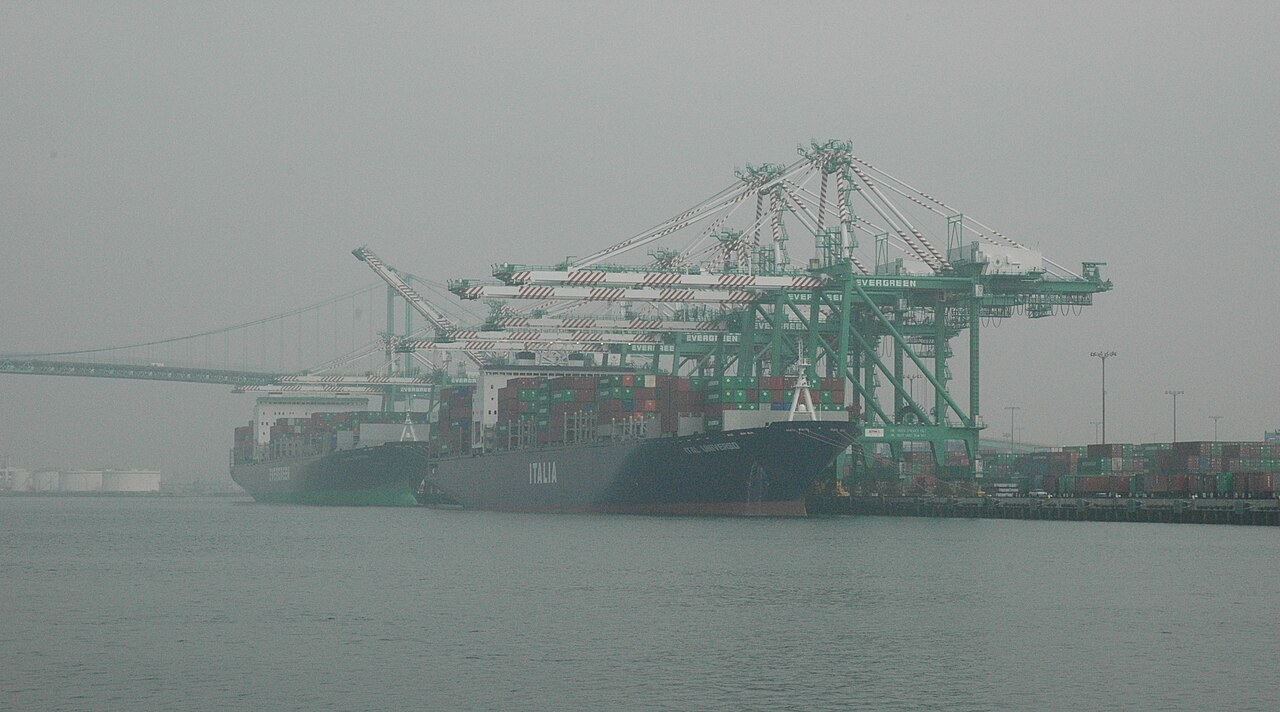 Wikimedia Commons / CC BY-SA 2.0
Key Takeaways & Intelligence
- U.S. Trade Representative Jamieson Greer is readying Section 301 duties covering China, the entire 27-nation European Union, and 14 additional economies.
- Investigations cite unfair state-directed manufacturing subsidies and excess export capacity distorting prices for domestic American producers.
- Partners with bilateral trade frameworks such as the EU, Japan, and South Korea face structured rates near 15%, while China faces steeper penalties.
- The legal pivot restores aggressive tariff leverage after earlier Supreme Court limits on executive emergency trade powers.
WASHINGTON — The Trump administration is preparing to unleash sweeping new tariffs targeting China, the European Union, and 14 additional economies, signaling a major escalation in U.S. commercial statecraft engineered around industrial subsidies and global manufacturing overcapacity.
Detailed by senior trade officials and major financial bureaus on Tuesday, U.S. Trade Representative (USTR) Jamieson Greer is putting final touches on multi-country enforcement findings under Section 301 of the Trade Act of 1974—spanning 16 major trading jurisdictions including all 27 EU member states.
Pivot to Section 301 Enforcement
The sweeping initiative marks Washington’s strategic legal pivot following Supreme Court limits earlier in the year curbing the president’s ability to levy blanket global tariffs under emergency statutes. By grounding duties in meticulous statutory investigations into state-subsidized overcapacity, USTR officials aim to build a durable legal shield against corporate court challenges.
Under preliminary frameworks, jurisdictions maintaining cooperative industrial dialogue or trade accords—such as the European Union, Japan, and South Korea—are expected to face structured tariffs capped near 15% or lower, whereas China faces substantially steeper penalties calibrated to Beijing’s massive export-subsidy footprint. Existing national security tariffs covering steel, aluminum, and finished autos will remain carved out to avoid double-stacking.
Global Supply Chains Brace for Fallout
Economists at Citigroup and global trade houses warned that locking elevated Section 301 walls into U.S. customs schedules will accelerate “friendshoring” and compel multinational manufacturers to reroute supply chains across Southeast Asia and Latin America.
Trade ministries in Brussels and Beijing immediately cautioned against unilateral barriers, warning that fresh retaliatory duties on American agricultural exports, aerospace hardware, and high-tech services could weigh heavily on projected 2027 global GDP expansion.